2026 Best Industrial Fabric Laser Cutting Machine Options?
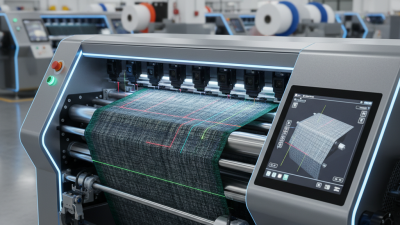
In the ever-evolving landscape of manufacturing, choosing the right industrial fabric laser cutting machine is critical. These machines offer precision, efficiency, and versatility in cutting various fabrics. As industries push for higher productivity, understanding the best options available is essential for staying competitive.
The advancements in laser cutting technology significantly enhance fabric processing. Many machines provide unique features, such as faster cutting speeds and improved energy efficiency. However, the variety of available machines can be overwhelming. It is crucial to evaluate based on specific needs and performance metrics.
Investing in an industrial fabric laser cutting machine demands careful consideration. Factors like material compatibility, maintenance, and ease of use should influence your decision. Reflecting on these aspects can lead to better choices. The right machine may vary for each company, but ensuring reliability and quality is universally important.
Overview of Laser Cutting Technology in Industrial Fabrics
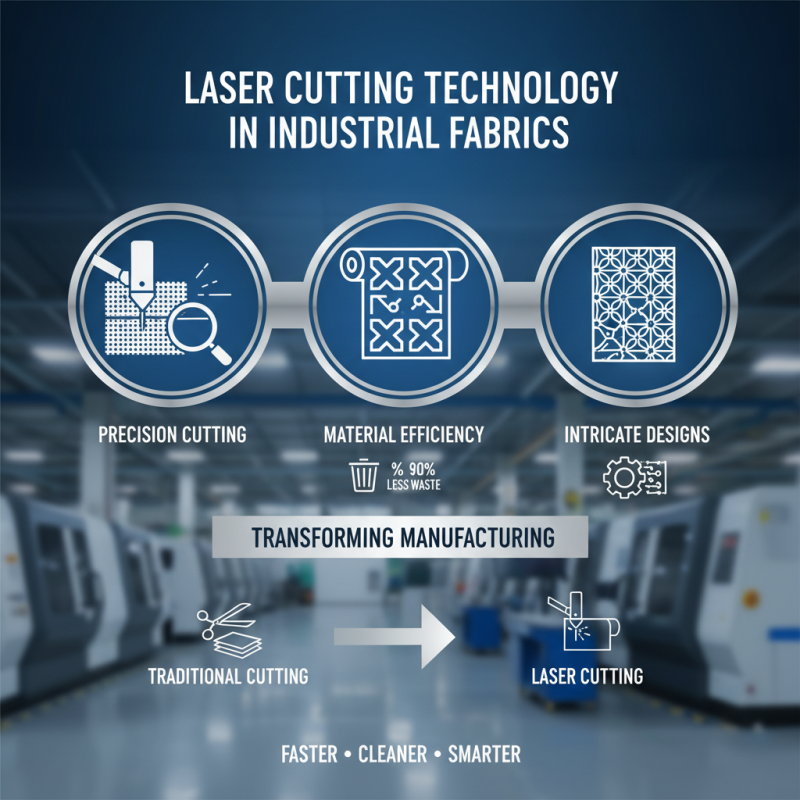
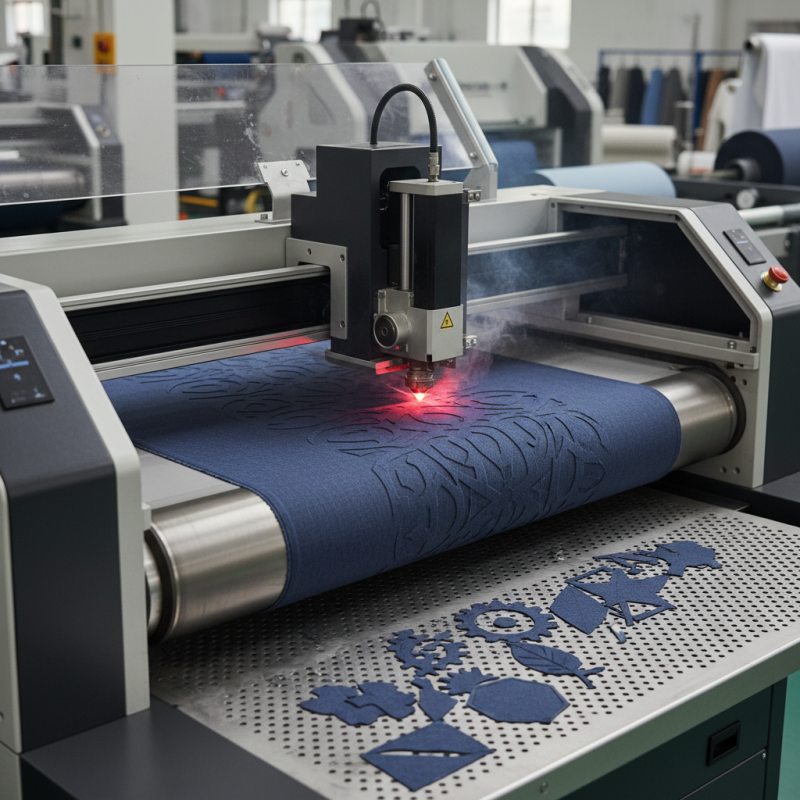
Laser cutting technology has transformed the industrial fabric sector. This method uses focused light to cut through a variety of fabrics with precision. It offers significant advantages over traditional cutting methods. The ability to create intricate designs while minimizing fabric waste is a standout feature.
The laser cutting process involves several crucial elements. The power of the laser determines the cutting speed and quality. Moreover, the type of fabric plays a role in selecting the right settings. For example, natural fabrics may require different adjustments compared to synthetic materials. Operators must be trained to understand these variables. Mistakes can lead to frayed edges or uneven cuts, highlighting the need for expertise.
Keeping up with advancements is essential. New technologies emerge rapidly. Innovations may enhance speed or improve the cutting quality. However, this fast-paced development can create challenges for manufacturers. Ensuring that equipment remains up-to-date may require significant investment. Balancing cost and efficiency is an ongoing concern for many businesses in the industry.
Key Features to Consider in Industrial Fabric Laser Cutting Machines
When choosing an industrial fabric laser cutting machine, several key features stand out. Speed and precision are crucial. The average cutting speed can reach up to 100 inches per minute. However, achieving this speed without sacrificing accuracy can be challenging. Many reports highlight that a misaligned focal point can reduce cutting efficiency by up to 30%.
Power settings greatly influence the thickness of materials you can cut. Machines typically feature 60W to 150W laser options. A higher wattage allows for cutting thicker fabrics but may lead to overheating issues. An effective cooling system is vital. Studies indicate that consistent overheating can reduce the machine's lifespan by nearly 20%.
Tips: Regular maintenance is essential. Dust and fabric debris can affect performance. Opt for machines with automatic calibration features. They will reduce downtime significantly. Also, consider ease of software integration. Streamlined operations can save time and increase productivity. Balancing these features can lead to better overall performance, but careful evaluation is necessary. Always compare options against your specific production needs.
Top Brands in Industrial Fabric Laser Cutting for 2026
When considering the best industrial fabric laser cutting machines for 2026, several brands come to mind. These brands are recognized for their quality and performance in the fabric cutting industry. They combine advanced technology with user-friendly features. This ensures precision and efficiency in various applications. Users have noted the importance of reliability in their machinery.
Some machines feature automated settings. This can enhance workflow and reduce manual labor. However, the effectiveness of these machines can vary by fabric type. For heavier materials, certain models may struggle with clean cuts. That said, lighter fabrics tend to yield better results. It's essential to evaluate specific cutting needs before making a purchase decision.
In addition, user feedback often highlights the importance of customer support and maintenance services. Being able to access prompt assistance can make a significant difference. Some companies excel in this area, ensuring that users are not left in the dark during a malfunction. However, some brands might lag in response times. Researching reviews can help identify which brands provide the best support. Carefully considering these aspects will lead to a more informed decision in choosing the right laser cutting machine.
Market Trends and Innovations in Laser Cutting Technology
The laser cutting technology industry is experiencing notable shifts. Recent reports indicate a projected growth rate of 7.5% per year, reaching over $5 billion by 2026. Advanced technologies like fiber lasers have emerged, enhancing precision and speed. This innovative approach reduces waste during the cutting process while ensuring high-quality results.
Moreover, user-friendly software integration plays a significant role in streamlining operations. Many manufacturers now emphasize the importance of compatibility with various CAD systems. This shift makes design adjustments easier. However, some users find it challenging to adapt to these new digital interfaces. Comprehensive training programs are necessary to bridge this gap.
Sustainability trends are altering the landscape, too. Companies are increasingly focusing on eco-friendly practices. Energy efficiency and minimal waste production are becoming crucial. Yet, not all manufacturers have embraced these changes fully. Ongoing discussions are vital to explore renewable energy sources in laser cutting operations. Balancing innovation and user experience remains a challenge that the industry needs to address.
2026 Best Industrial Fabric Laser Cutting Machine Options
| Machine Model |
Cutting Area (mm) |
Power (W) |
Speed (mm/s) |
Material Compatibility |
Price Range ($) |
| Model A |
1300 x 2500 |
1500 |
120 |
Cotton, Polyester, Leather |
10,000 - 15,000 |
| Model B |
1600 x 3000 |
2000 |
150 |
Nylon, Wool, Silk |
12,000 - 18,000 |
| Model C |
2000 x 4000 |
3000 |
200 |
Leather, Acrylic, Fabric |
15,000 - 25,000 |
| Model D |
1000 x 1500 |
1000 |
100 |
Canvas, Felt, Synthetic Fabrics |
8,000 - 12,000 |
Cost-Effectiveness of Laser Cutting Machines in Fabric Processing
The cost-effectiveness of laser cutting machines in fabric processing cannot be overstated. According to a recent industry report, laser cutting technology can save up to 40% in material costs compared to traditional cutting methods. This percentage results from the machine's precision, which minimizes waste and errors. Additionally, laser cutting machines can operate at speeds that traditional methods cannot match, further enhancing productivity for fabric manufacturers.
Investing in laser cutting technology can seem daunting. However, the long-term savings often outweigh initial costs. A study by the Fabric Manufacturers Association indicates a return on investment for laser cutting machines can be achieved within 18 months due to reduced labor costs and enhanced efficiency. Companies experience less downtime, which contributes to a quicker turnaround for projects.
Tips: Always assess your production volume before making a purchase. Ensure the machine’s capabilities align with your business needs. Also, consider maintenance costs as they can impact overall savings. Remember, not all machines are created equal. Evaluating multiple options is crucial to success. Missing out on the right choice could lead to inefficiencies you may regret later.