2026 Top Fabric Printing Machine Trends and Innovations?
The world of fabric printing machines is evolving rapidly. Innovations in technology drive these changes. As we approach 2026, new trends emerge that reshape the landscape of textile printing.
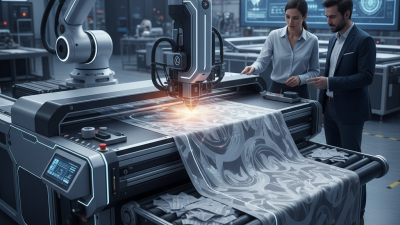
Modern fabric printing machines now offer enhanced efficiency and sustainability. High-speed production is a priority, reducing waste and energy use. Digital printing technology continues to gain traction, enabling intricate designs on various materials. This opens new avenues for designers and manufacturers alike.
However, challenges remain. Not all businesses can afford the latest machines. Training staff to use advanced technology can be daunting. These factors need careful thought as the industry evolves. The future of fabric printing is bright, yet it requires adaptation and reflection.
Emerging Technologies in Fabric Printing for 2026
Emerging technologies in fabric printing for 2026 are set to revolutionize the industry. According to recent industry reports, digital textile printing is projected to grow at a CAGR of 10% through the next five years. This growth reflects a rising demand for customization and shorter production runs. Sustainability is a key concern, urging manufacturers to adopt eco-friendly ink formulations and processes. For example, waterless printing technologies are gaining traction, reducing waste significantly.
The rise of automation and artificial intelligence (AI) is another trend worth noting. AI can enhance color matching and material selection, expediting the design process. A report by the International Textile Manufacturers Federation suggests that 30% of companies will implement AI-driven solutions by 2026. However, there are barriers. Not all manufacturers have the resources to invest in such technologies. This creates a gap between established players and smaller businesses, who may struggle to keep up with advancements.
Additionally, innovations in materials, like biodegradable fabrics, are on the horizon. These fabrics may require new printing techniques, challenging traditional methods. The need for skilled technicians who understand both the technology and these new materials will increase. Without proper education and training, the transition could be problematic. Adjusting to these emerging technologies demands careful strategy and planning from all stakeholders in the fabric printing value chain.
Sustainability Practices Shaping Fabric Printing Innovations
Sustainability is reshaping the fabric printing industry. As technology advances, fabric printing machines now incorporate eco-friendly practices. This shift is not merely a trend; it reflects a critical response to environmental concerns. Manufacturers are developing water-based inks and energy-efficient machines. These innovations reduce waste and minimize carbon footprints.
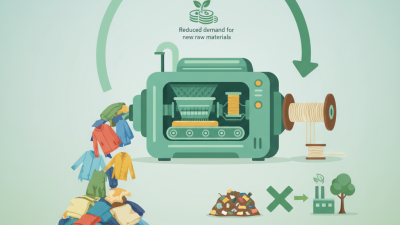
Companies are exploring biodegradable materials. Fabrics that break down naturally are gaining attention. This move is vital in reducing landfill waste. Innovative designs are utilizing less dye, leading to remarkable efficiency. Moreover, recycled polyester is making its way into mainstream fabric printing. This material not only conserves resources but also supports circular economic models.
**Tips:** Choose printing partners who prioritize sustainability. Look for certifications that indicate eco-friendly practices. Consider investing in machines that allow for recycling initiatives. In doing so, you promote environmental responsibility. Have clarity about the materials used in your designs. Engage with your supply chain and explore local production to reduce transportation emissions.
2026 Top Fabric Printing Machine Trends and Innovations
Automation and Smart Features in Fabric Printing Machines
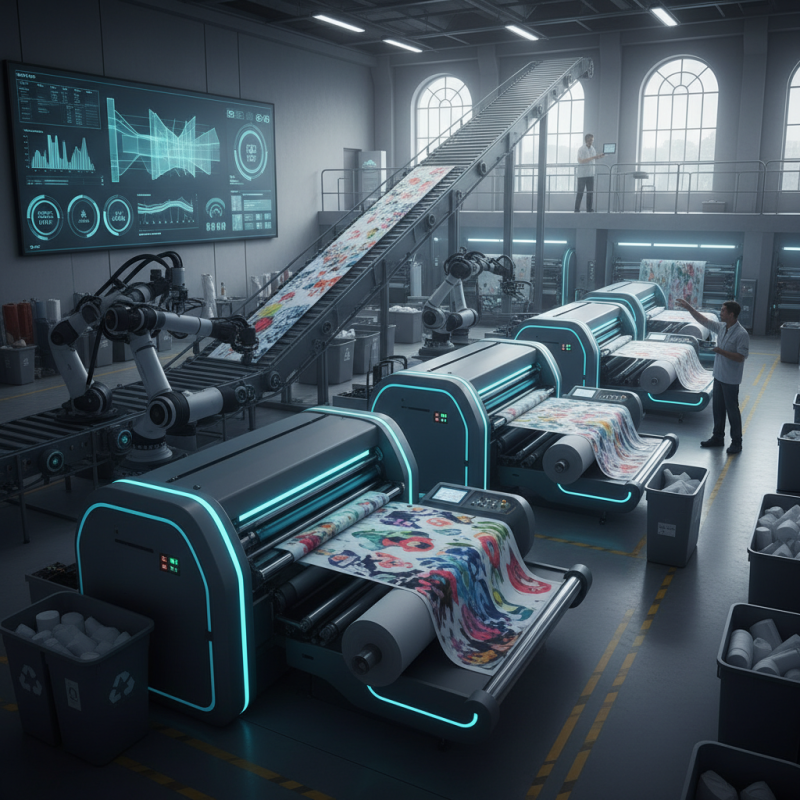
The landscape of fabric printing is changing rapidly. Automation plays a crucial role in this evolution. Machines now feature advanced sensors to detect fabric tension. This innovation reduces errors and improves consistency. Smart technology enables real-time monitoring of printing processes. Adjustments can be made on-the-fly, enhancing productivity.
However, not all automation solutions are perfect. Some users report occasional glitches in software systems. Delays can happen, impacting deadlines. There’s a learning curve involved with new technologies. Operators must adapt to complex interfaces, which may cause initial confusion. Yet, the benefits often outweigh these challenges. Automated systems can significantly lower labor costs and improve overall efficiency.
Sustainability is another aspect driving innovations. Eco-friendly inks and materials are becoming mainstream. Yet, achieving perfect color accuracy remains a challenge. This area requires ongoing research and development. The potential for growth is vast, but so are the hurdles. Balancing innovation with practicality will shape the future of fabric printing.
2026 Top Fabric Printing Machine Trends and Innovations
| Trend/Innovation |
Description |
Estimated Impact (%) |
Adoption Rate (%) |
| Eco-Friendly Inks |
Use of sustainable, biodegradable inks to reduce environmental impact. |
30 |
45 |
| Digital Printing Technologies |
Advancements in digital technology enhancing printing precision and efficiency. |
40 |
60 |
| Automation Features |
Integration of automated systems to streamline production processes. |
25 |
50 |
| Smart Connectivity |
IoT integration for real-time monitoring and data analysis. |
35 |
55 |
| AI-Assisted Design |
Utilization of artificial intelligence to innovate fabric patterns and designs. |
28 |
48 |
Trends in Customization and Personalization of Fabric Designs
In recent years, customization and personalization have become key trends in fabric design. Customers desire unique fabrics that reflect their personal style. This shift is driving innovation in fabric printing machines. The technology is evolving to accommodate custom designs more efficiently.
Advanced printing techniques allow for intricate patterns and vivid colors. Personalization options are expanding, making it easier for customers to select their designs. This trend is evident in fashion and home décor. However, some companies struggle to keep up with demand. They may face challenges in production times and quality control.
Tip: Invest in training for staff. This can enhance their skills in using new printing technologies. Additionally, maintaining high-quality standards is vital. Regularly check designs before production. This minimizes errors and enhances customer satisfaction. Ultimately, successful customization should balance creativity with practical execution.
Market Dynamics and Consumer Preferences in Fabric Printing Industry
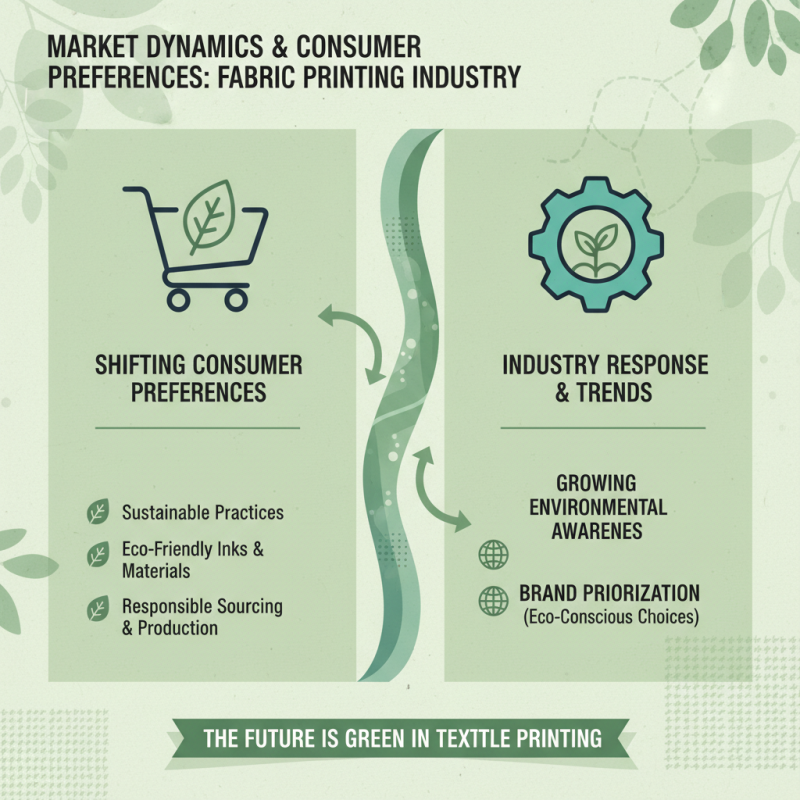
In the fabric printing industry, consumer preferences are shifting rapidly. More buyers are seeking sustainable practices in manufacturing. Eco-friendly inks and materials are becoming a crucial factor for textile choices. Many consumers now prioritize brands that showcase responsible sourcing and production. This trend reflects a growing awareness of environmental issues in today's market.
Moreover, customization is on the rise. Consumers love unique designs that reflect their individuality. Personalized fabric printing allows for creativity and self-expression. However, this demand poses challenges for manufacturers. Balancing speed and quality is not always easy. The pressure to deliver personalized items quickly may lead to compromises in craftsmanship.
Additionally, there is a noticeable increase in the use of digital printing technology. It allows for shorter production runs, catering to niche markets. However, some traditionalists argue this approach lacks the depth of older techniques. The debate around quality versus quantity is ongoing. As technology evolves, industry players must adapt to these changing consumer desires while maintaining their core values.