2026 Top Fabric Winding Machine Innovations and Trends?
The fabric winding machine industry is evolving rapidly. According to a recent market report, the global fabric winding machine market is projected to grow at a CAGR of 6.5% from 2022 to 2026. This growth reflects the increasing demand for efficient fabric handling solutions. Innovations in technology are pivotal in this transformation.
New advancements focus on automation and precision. Smart winding systems minimize errors and enhance productivity. Eco-friendly materials are becoming popular among manufacturers as sustainability gains traction. However, some challenges remain. Industry players must address the high costs associated with adopting cutting-edge technology.
The balance between innovation and budget is crucial. Companies often hesitate to invest heavily without guaranteed returns. Despite these uncertainties, the urgency for modernization is clear. To stay competitive, embracing the latest fabric winding machine innovations is essential. In this landscape, understanding trends can lead to better decision-making.
Emerging Technologies in Fabric Winding Machines for 2026
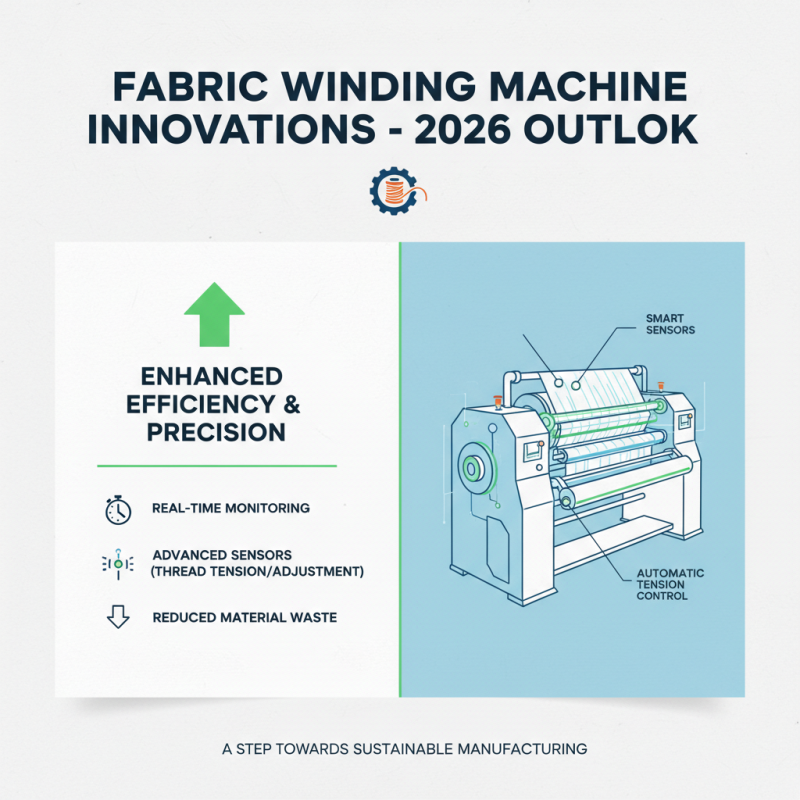
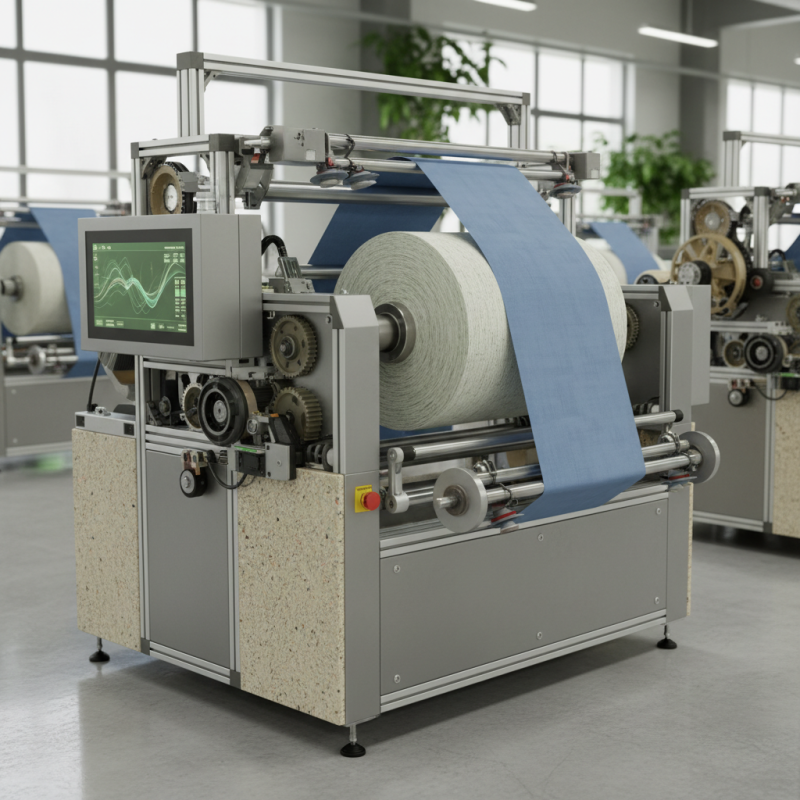
As we approach 2026, the fabric winding machine market is set to experience significant innovations. Emerging technologies aim to enhance efficiency and precision. Advanced sensors are being integrated into machines, allowing for real-time monitoring. These sensors can detect thread tension and adjust accordingly. It’s a promising step toward reducing material waste.
Automation is also a key focus in development. Machines are becoming smarter, reducing the need for extensive human oversight. Smart algorithms analyze performance data, optimizing winding processes. However, reliance on technology raises concerns about job displacement. There is a balancing act between efficiency and maintaining a skilled workforce.
Sustainability remains a critical trend. New materials are being explored for machine components. Eco-friendly options might reduce the environmental impact of production. Yet, some traditionalists view this shift with skepticism. Transitioning to innovative materials requires investment and careful research. The journey ahead is filled with challenges and opportunities.
Key Innovations Driving Efficiency in Fabric Winding Processes
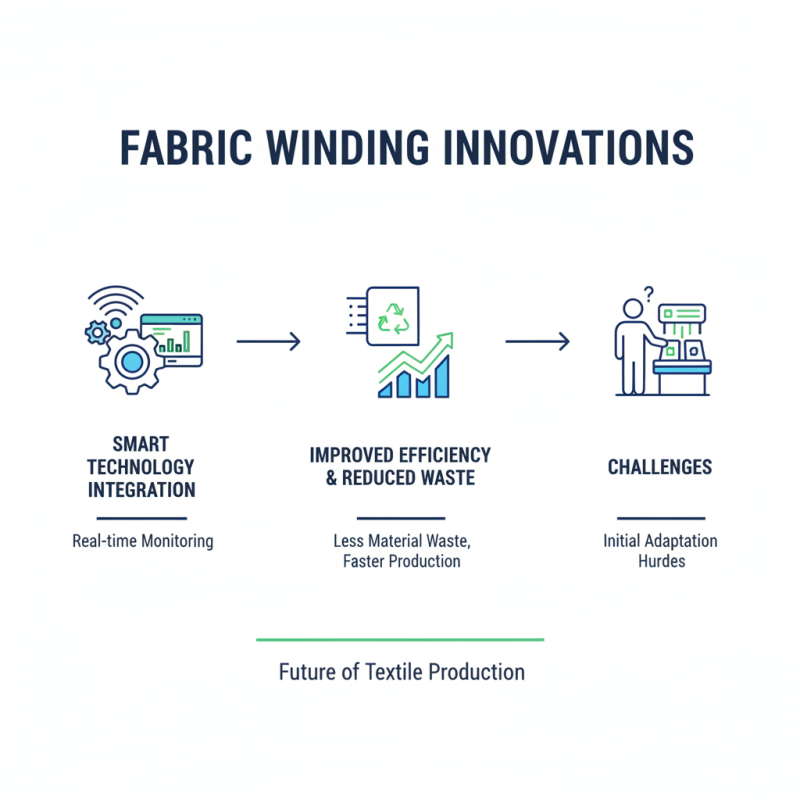
The fabric winding process has undergone significant innovations in recent years. One notable advancement is the integration of smart technology. These machines can now monitor various parameters in real time. This leads to improved efficiency and reduces material waste during production. While automation seems flawless, there are challenges. Manufacturers may face initial adaptation hurdles.
Another trend is the focus on sustainability. Eco-friendly materials are becoming essential for fabric winding machines. This shift toward greener processes can be beneficial. However, it also prompts questions about costs and scalability. Ensuring that sustainability doesn't affect performance is crucial.
Additionally, user-friendly interfaces are emerging. These interfaces allow operators to adjust settings easily. Despite their intuitive design, training is still needed. Users must fully understand the features available. Ultimately, embracing these trends can improve fabric winding efficiency, yet companies must ensure that they don’t overlook the learning curve associated with new technologies.
Sustainability Trends Influencing Fabric Winding Machine Design
The landscape of fabric winding machines is evolving, driven largely by sustainability trends. Manufacturers are increasingly incorporating eco-friendly materials into their designs. This shift not only helps reduce waste but also enhances the machines' efficiency. For example, using recycled materials can minimize the carbon footprint of producing these machines.
Another key trend is the focus on energy-efficient designs. Newer machines are being engineered to consume less power while maintaining high production rates. Innovations like advanced motor technology and smart control systems allow for significant energy savings. However, there’s a challenge in balancing these efficiency gains with the cost of implementation. Smaller manufacturers may find the investment daunting.
Beyond material and energy efficiency, there’s an emphasis on reducing water usage during the winding process. This is crucial in textile manufacturing, where water waste can be substantial. Some designs are experimenting with closed-loop systems that recycle water during production. Yet, these systems are not always reliable, and refining them requires ongoing effort. The quest for greener fabric winding solutions is a journey filled with trials and debates about best practices.
Automation and Smart Features in 2026 Fabric Winding Equipment
The landscape of fabric winding machines is evolving rapidly, particularly in automation and smart features. As of 2026, the global fabric winding equipment market is projected to reach $1.2 billion, indicating a strong demand for advanced solutions. Automation plays a crucial role in enhancing operational efficiency. It reduces the manual workload and minimizes errors in winding processes.
Smart technology is becoming integral in fabric winding equipment. These machines can now monitor tension and feed rate in real-time. Reports estimate that smart features can save production costs by up to 30%. Operators can adjust settings remotely, reducing downtime. However, the reliance on technology also raises concerns about cybersecurity threats. Many manufacturers are still unprepared for such risks.
Data handling is another area needing attention. The collection of data from smart machines can overwhelm smaller companies. While larger firms may thrive, smaller manufacturers may struggle to harness this data for better decision-making. In a rapidly changing industry, addressing these challenges is crucial for future success.
Market Demand and Applications of Advanced Fabric Winding Machines
The market for advanced fabric winding machines is expanding rapidly. By 2026, the demand is expected to increase by 20% annually. This growth is driven by a variety of industries, including automotive, textiles, and aerospace. Advanced machines optimize material use and reduce waste. This is crucial for manufacturers looking to improve sustainability.
These machines enable precise winding techniques, which enhance fabric quality. Applications range from producing lightweight composites to intricate textile designs. Market research indicates that companies adopting these technologies have experienced reduced production costs by nearly 15%. Furthermore, advancements in automation are contributing to increased efficiency.
Tips: Regular maintenance of winding machines can prevent unexpected downtimes. Keeping up with market trends can help businesses remain competitive. Investing in staff training for operating these advanced machines is vital. It's a continuous learning process. Each advancement comes with a learning curve that can’t be ignored.
2026 Fabric Winding Machine Innovations: Market Demand and Applications