2026 Best Textile Printing Machine Buying Guide
Choosing a textile printing machine in 2026 requires more than comparing speed, resolution, and purchase price. Production floors now balance shorter fashion cycles, customized orders, energy costs, and stricter sustainability expectations. The wrong machine can create ink waste, color inconsistency, and expensive downtime. Small details matter.
Smithers’ industry research describes digital textile printing as a continuing double-digit growth market, driven by personalization, shorter runs, and on-demand manufacturing. Its forecasts also highlight expanding adoption of direct-to-fabric and pigment-based systems. Grand View Research similarly identifies rising digital adoption across apparel, home textiles, signage, and industrial fabrics. However, market figures differ between reports because definitions and sampling methods are not identical. That uncertainty deserves attention.
Debbie McKeegan, founder of Texintel and a recognized digital textile printing consultant, says, “Digital textile printing is not only a technology; it is a business model.” Her point is practical. A high-speed textile printing machine may still perform poorly if artwork preparation, fabric coating, ink selection, or maintenance routines are weak. ITMF surveys also continue to show that cost pressure and demand uncertainty influence textile investment decisions.
This 2026 buying guide examines print technology, fabric compatibility, productivity, ink systems, software, maintenance, and total ownership cost. It also considers operator skill and factory conditions. No machine is perfect. A reliable choice depends on measurable production needs, verified samples, supplier support, and honest testing before purchase.
What Is a Textile Printing Machine?
What Is a Textile Printing Machine?
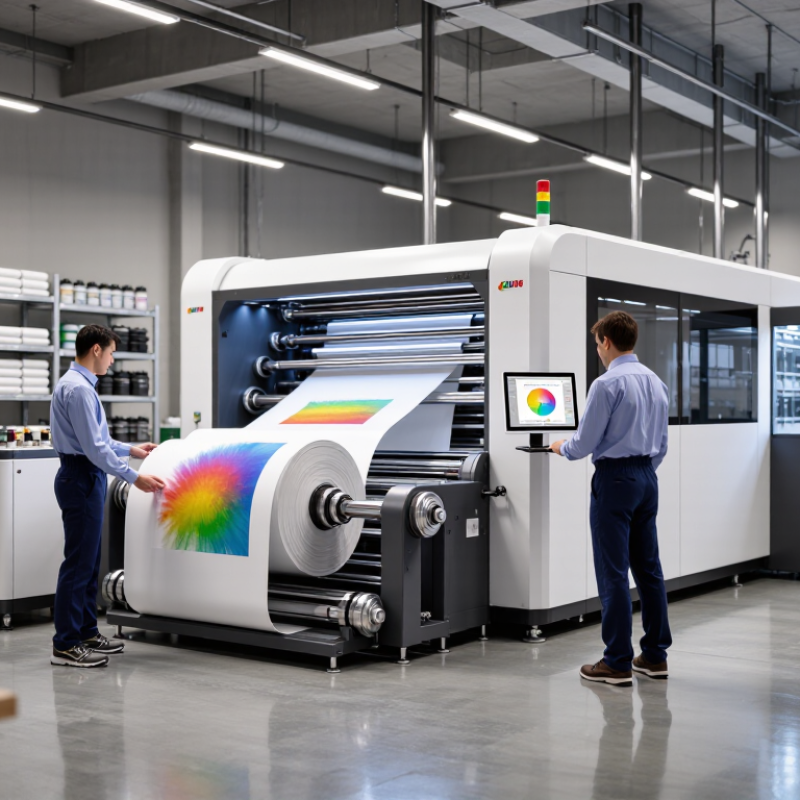
A textile printing machine transfers color, patterns, or images onto fabric. It may use inkjet, screen, rotary, or sublimation technology. Digital models spray tiny ink droplets through computer-controlled printheads. The fabric then passes through drying, curing, or heat-fixing equipment. This process helps produce detailed designs with less setup waste than traditional methods.
The machine is not just a printer. It includes software, ink delivery systems, printheads, fabric handling units, and color-management controls. According to Smithers’ The Future of Digital Textile Printing to 2027, digital textile printing continues to expand as shorter runs and customized products gain attention. Grand View Research has also projected strong growth for the digital textile printing market through 2030. These figures show demand, but they do not guarantee profit. Ink costs, fabric preparation, maintenance, and operator skill can change the result. I have seen samples look sharp on paper but dull after washing. That gap deserves careful testing.
Tips:
Match the machine with your fabric type, production volume, and required color accuracy. Ask for printed and washed samples. Check ink compatibility, drying speed, print width, and service response. A faster machine may waste more material when setup is poorly controlled. Review technical data from manufacturers, but verify claims through independent testing and industry reports. Never judge performance from one attractive sample.
How to Choose the Right Textile Printing Technology
2026 Best Textile Printing Machine Buying Guide
How to Choose the Right Textile Printing Technology
Choosing textile printing technology starts with the fabric, not the machine. Polyester flags and sportswear often suit dye-sublimation, which transfers color through heat. Cotton garments may require reactive or pigment printing, depending on wash resistance and curing equipment. For long, repetitive orders, screen printing can still deliver lower unit costs. That trade-off is easy to overlook.
The Future of Digital Textile Printing to 2028 forecasts annual market growth above 10%, reflecting faster sampling and shorter production runs. Yet growth does not make every digital printer suitable. Check ink compatibility, printhead availability, curing temperature, ventilation, and wastewater controls. A machine producing sharp samples may perform poorly across ten-hour shifts. Ask for production tests using your actual fabric, artwork, and wash process.
Textile Exchange’s 2024 Materials Market Report recorded global fiber production at about 124 million tonnes in 2023, with forecasts reaching 160 million tonnes by 2030. That expanding volume increases pressure to reduce waste. Digital printing can limit setup waste, but it still consumes energy, ink, and pretreatment chemicals. Calculate total cost per sellable meter, not only the purchase price. I have seen buyers ignore maintenance labor. That mistake becomes expensive. Also compare color consistency between the first roll and the fiftieth. Perfect consistency is difficult, and your supplier should explain the limits clearly.
Key Specifications to Compare Before Buying
For a 2026 textile printing machine, compare specifications before comparing prices. Textile Exchange’s Materials Market Report 2024 recorded global fiber production at 124 million tonnes in 2023. It projects more than 160 million tonnes by 2030. This pressure makes productivity, waste control, and repeatability important purchasing criteria.
Check print width, resolution, production speed, and ink compatibility. A wide machine is not always faster. Ask for output samples using your actual fabric, not a supplier’s ideal test cloth. Evaluate color consistency with spectrophotometer measurements, not visual judgment alone. Smithers’ report, The Future of Digital Textile Printing to 2028, identifies automation and shorter production runs as major market drivers. Therefore, inspect nozzle monitoring, automatic cleaning, and job-queue software. These features can reduce downtime, but they also add maintenance complexity. I would not ignore that trade-off.
Tips: Calculate usable output, not advertised speed. Compare square meters per hour after cleaning, calibration, and fabric loading. Measure energy use per printed meter. Also check curing temperature, ventilation needs, warranty response time, and local technical support. A machine may look efficient during a showroom demonstration. Real production is less perfect. Keep at least three months of sample data before making the final decision.
2026 Best Textile Printing Machine Buying Guide
Key Specifications to Compare Before Buying
The chart compares typical commercial specification ranges for major textile-printing technologies. Production speed is shown as a representative midpoint in square metres per hour, while resolution indicates a common maximum operating range. Actual output depends on fabric type, ink system, pass count, colour coverage, curing method, and workflow configuration.
How to Evaluate Printing Quality, Speed, and Costs
Choosing a textile printing machine in 2026 requires more than reading its maximum speed. Test a fabric sample that matches your daily work. Check fine lines, solid color blocks, gradients, and small white details. Inspect the print after washing and drying. Watch the first meter. Banding, uneven ink absorption, or shifting colors can appear quickly.
Measure usable speed, not the number shown in a brochure. Include loading, alignment, cleaning, drying, and roll changes. A machine rated at high speed may produce fewer finished meters per hour. Ask for production records from similar fabric weights. My first estimate ignored cleaning time, and the real output was noticeably lower. That mistake changed the labor calculation.
Evaluate cost per sellable meter. Record ink use, fabric waste, electricity, maintenance, and operator time during a controlled trial. Compare results across several runs, not one perfect sample. A cheaper machine can become expensive when nozzles clog or calibration takes hours. Request service intervals, spare-part availability, and written warranty terms. Keep test samples and measured data in one file. That makes supplier claims easier to verify. Salt, humidity, and fabric pretreatment can also affect quality, so test under normal workshop conditions.
Installation, Maintenance, and Supplier Support Considerations
Choosing a textile printing machine in 2026 requires more than comparing speed and resolution. Installation conditions often determine real productivity. Measure doorway widths, floor strength, ventilation paths, and electrical capacity before ordering. A technician should confirm the machine’s footprint and service clearance on a signed site checklist. Leave working space around ink lines, printheads, and control panels. Crowded layouts make routine repairs slower and less safe.
Daily maintenance should match production hours, fabric dust, and ink chemistry. Operators need a clear cleaning schedule, approved flushing procedures, and simple inspection records. Check nozzle performance, wiper condition, filters, belts, and temperature readings at planned intervals. Keep spare consumables sealed and labelled with purchase dates. Small leaks are not small for long. I have seen neglected filters create uneven color within one shift. Still, every factory differs, so copying another plant’s schedule can be a mistake. Trial the schedule for two weeks, then adjust it using defect data.
Supplier support deserves the same scrutiny as machine specifications. Ask about remote diagnostics, on-site response times, training hours, software updates, and parts availability. Request written escalation procedures, not only sales promises. During commissioning, record test patterns, color measurements, and approved fabric samples. These records help separate operator errors from equipment faults. Support should continue after installation. A responsive supplier can review logs before sending a technician, reducing downtime. However, support quality may change after purchase. Check references from users with similar fabrics and production volumes. This step is easy to skip. It should not be.