
2026 Top Electric Hoist Winch Suppliers for Global Buyers

Choosing the right Electric Hoist Winch supplier in 2026 requires more than comparing prices, motor power, or delivery promises. Global buyers must examine lifting capacity, duty cycle, brake performance, chain quality, control design, and after-sales support. A five-ton hoist may look impressive on paper. Yet its real value appears during repeated lifts, dusty warehouse shifts, or emergency maintenance work.

Lifting-equipment specialist John W. Chappell states, “A hoist earns trust through controlled movement, not impressive speed.” That principle remains practical. Reliable suppliers should explain load testing, limit-switch protection, emergency stopping, spare-part availability, and operator training. They should also provide clear technical files, inspection guidance, and traceable quality records. Vague answers deserve caution.

This guide reviews the 2026 top Electric Hoist Winch suppliers for global buyers. It considers manufacturing experience, product consistency, customization, certifications, service networks, and communication quality. Some suppliers excel in heavy industrial applications. Others fit workshops, construction sites, ports, or compact production lines. The best choice depends on actual working conditions, not brand popularity alone.

There is no perfect supplier.

A low-cost quotation can become expensive after one failed brake, delayed component, or unclear warranty. Buyers should question assumptions, including their own. Is the hoist sized for continuous use? Will local technicians support it? Can replacement parts arrive quickly? This introduction sets a practical framework for comparing suppliers with greater confidence, clearer evidence, and fewer costly surprises.
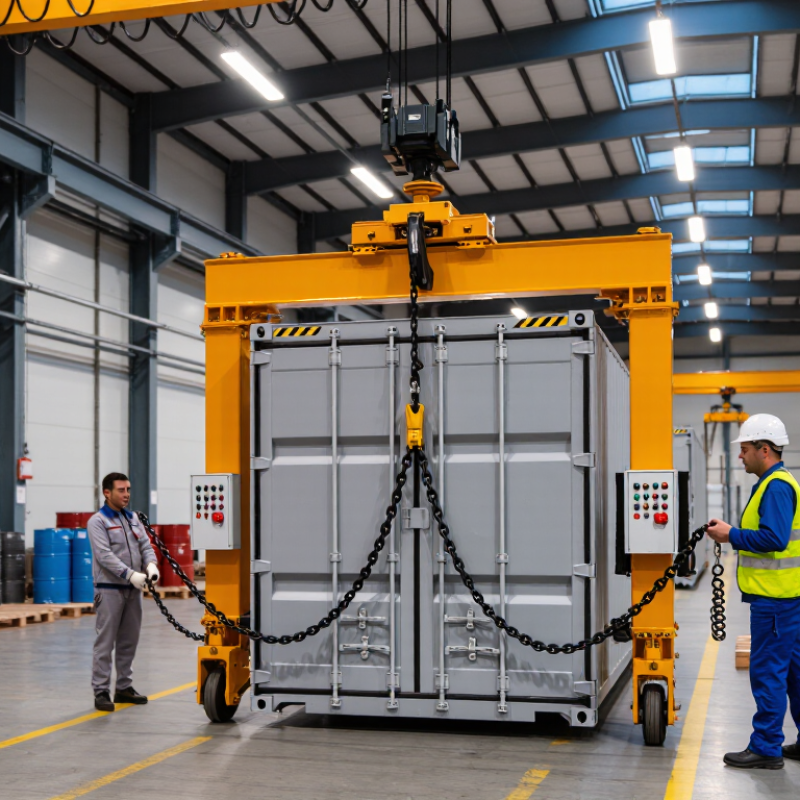
2026 Top Electric Hoist Winch Suppliers for Global Buyers

## What Electric Hoist Winches Are and How They Work

What Electric Hoist Winches Are and How They Work

An electric hoist winch is a powered lifting device for moving heavy loads vertically or horizontally. It uses an electric motor, gearbox, drum, wire rope, or chain. When the operator presses the control, the motor turns the gearbox. The gearbox reduces speed and increases pulling force. The drum then winds the rope, raising the load. A chain model feeds links through a pocket wheel instead. Simple, but not casual equipment.

An internal brake holds the load when power stops. Limit switches can stop over-travel near the upper or lower position. Many units also include overload protection, emergency controls, and pendant or remote operation. The rated capacity describes the maximum permitted load under stated conditions. It does not cover damaged slings, side pulling, sharp shock loads, or poorly balanced cargo. The terminology can be messy. A careful buyer checks the actual lifting path, duty cycle, voltage, speed, and working environment.

Tips: Inspect the rope, hook, brake, and limit switch before each shift. Keep the load centered beneath the lifting point. Never stand below a suspended load. Match the hoist to local electrical requirements and recognized safety standards. Ask for test records and clear maintenance instructions. In practice, small installation details often matter more than impressive motor power. I have seen specifications look perfect until the mounting structure was reviewed.

## Key Specifications for Comparing Electric Hoist Winch Suppliers

For global buyers, compare electric hoist winch suppliers by working performance, not catalog capacity alone.

MarketsandMarkets’ 2024 analysis places the hoist and winch market near a 5% growth rate through 2029, increasing pressure on suppliers to prove specifications. Check rated load, lifting speed, duty class, rope diameter, drum capacity, motor power, and brake holding force. A 5-ton unit may lift slowly under continuous duty, while a smaller unit may overheat during repeated cycles.

Duty classification deserves careful attention. ISO 4301-1 and FEM 9.511 relate service life to load spectrum and operating cycles. Request the declared class, expected full-load cycles, and thermal limits. Verify whether the supplier has tested the complete assembly, including gearbox, brake, pendant, and emergency stop.

IEC 60529 ingress ratings also matter in dusty workshops or outdoor yards. IP54 may be insufficient for heavy rain.

Energy use is easy to overlook. The International Energy Agency reports that motor-driven systems consume roughly half of global electricity, so motor efficiency and standby controls affect long-term cost. Ask for motor efficiency data, noise levels, duty-cycle calculations, and measured lifting speed.

I prefer witnessed load testing and traceable inspection records. A polished certificate is not enough. Some supplier datasheets still omit brake wear limits, spare-part lead times, or control-voltage details. That omission should trigger questions, not assumptions.

Include installation drawings, maintenance intervals, warranty terms, and regional service capability in the comparison sheet.

## 2026 Supplier Selection Criteria for Global Buyers

For global buyers, selecting an electric hoist winch supplier requires more than comparing catalog prices. The practical test is simple: can the supplier lift safely, repeatedly, and on schedule? Ask for rated load charts, duty classifications, motor data, brake performance, and inspection records. A supplier should explain how capacity changes with rope layers, lifting speed, and ambient temperature. Details matter. Request a sample factory acceptance report, not polished promises.

Experience shows that site conditions often expose weak selection decisions. A coastal warehouse may need corrosion-resistant finishes, while a dusty quarry demands sealed controls and easier maintenance access. Confirm voltage, phase, control pendant length, mounting dimensions, and emergency-stop design before signing. Check spare-part availability, technician response times, installation guidance, and training language. Ask difficult questions. Reliable suppliers provide traceable serial numbers, calibration evidence, and documented corrective actions.

Independent certifications can support credibility, but certificates should match the actual model and production site. Review quality systems, load-test procedures, welding controls, and inspector competence. Video calls help, although they cannot replace an on-site audit for high-duty equipment. A realistic supplier should disclose lead-time risks, exclusions, and previous failure patterns. That honesty is valuable. Buyers often overvalue low prices and underestimate commissioning delays, so the total cost model may need further review.

## Leading Electric Hoist Winch Supplier Categories by Market

2026 Top Electric Hoist Winch Suppliers for Global Buyers
Leading Electric Hoist Winch Supplier Categories by Market

Market demand is dividing electric hoist winch suppliers into clear application groups. Fortune Business Insights estimates the global electric hoist market reached approximately USD 2.6 billion in 2023. Its forecast also indicates steady growth through the decade. Construction suppliers usually prioritize compact units, quick installation, and outdoor protection. Buyers should verify duty cycles, not only lifting capacity.

Manufacturing markets need smoother control and repeatable positioning. Suppliers serving factories commonly provide low-headroom hoists, variable-speed drives, and overload protection. The International Federation of Robotics reported more than 4 million industrial robots operating worldwide in 2023. This trend increases demand for coordinated lifting equipment around automated workstations. Still, automation compatibility is often promised more broadly than tested.

Warehouse and logistics suppliers focus on frequent starts, narrow aisles, and easy maintenance access. Port, mining, and energy markets require higher duty classifications, corrosion resistance, and documented inspection procedures. ISO 4301 crane classifications help buyers compare operating severity across suppliers. However, classification labels can confuse procurement teams when manufacturers explain them poorly. Request load charts, brake-test records, spare-parts lead times, and regional service coverage before purchase. A low-price quotation may become expensive after installation delays.

## International Purchasing, Compliance, and After-Sales Support

2026 Top Electric Hoist Winch Suppliers for Global Buyers

International buyers should evaluate more than lifting capacity and price. A reliable supplier provides clear technical drawings, motor data, duty class, load charts, and traceable inspection records. Ask for the rated load, lifting speed, rope specification, control voltage, and working environment. I have found that small specification gaps can cause costly delays at installation. A perfect supplier file rarely exists, so review every document carefully.

Tips: Confirm the required conformity marks for your destination market. Request factory test reports, serial-number records, risk assessments, operating manuals, and maintenance schedules. Check whether the supplier supports your preferred voltage and local plug standards. Also verify packaging dimensions, customs codes, insurance terms, and delivery responsibilities before payment. Independent pre-shipment inspection is worthwhile for large orders.

After-sales support often separates a dependable supplier from a temporary seller. Get warranty coverage, response times, spare-parts availability, and technician support in writing. Ask how faults are diagnosed remotely and whether replacement components remain available for several years. Practical training matters, especially for operators and maintenance teams. Some suppliers promise fast service but provide vague procedures; that weakness deserves attention. Request sample service forms, escalation contacts, and a clear process for reporting defects. Keep installation photos and commissioning records. They may protect both sides when responsibility becomes unclear.

2026 Top Electric Hoist Winch Suppliers for Global Buyers — International Purchasing, Compliance, and After-Sales Support

The chart presents nominal metric-tonne rated-load bands commonly used when preparing international electric hoist and winch RFQs. Buyers should verify duty class, lifting speed, power supply, installation conditions, applicable conformity documentation, spare-parts availability, and after-sales response before selecting a supplier.

These are reference procurement capacities rather than supplier-specific product claims. Actual availability depends on equipment design, operating environment, safety requirements, and the standards applicable in the destination market.

Go to Top
Translate »