2026 Top Trends in Fabric Laser Cutting Machine Technology?
The fabric laser cutting machine industry is evolving rapidly. In 2023, the global market size reached $1.2 billion, with a projected growth rate of 12% annually. This surge reflects a shift towards automation and precision in fabric processing. Experts believe that technology advancements are key drivers in this field.
Dr. Emily Chen, a leading expert in textile technologies, states, "Efficiency in fabric laser cutting machines will redefine production standards." Many companies are looking to invest in these technologies. They aim to enhance speed and reduce waste. Laser cutting promises accuracy that traditional methods struggle to match.
However, transitioning to this technology poses challenges. Training staff takes time and resources. Some smaller businesses may struggle with initial costs. The industry must balance innovation with practicality. Moving forward, stakeholders must reflect on these hurdles while adopting new solutions. The future of fabric laser cutting machines holds great promise, but mindful implementation is crucial.
Overview of Fabric Laser Cutting Technology Trends in 2026
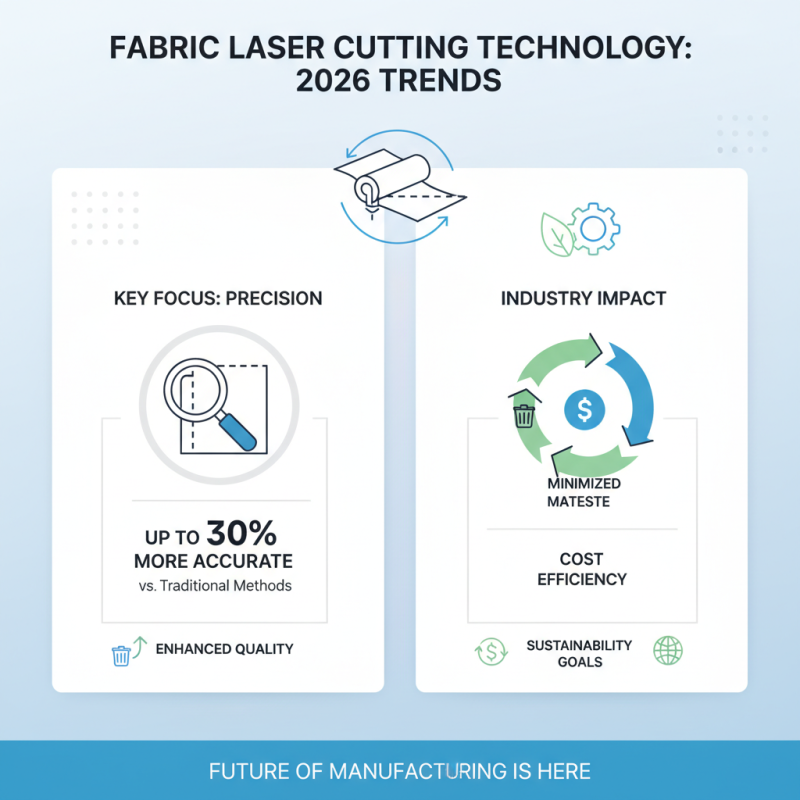
Fabric laser cutting technology is evolving rapidly, with trends set to shape the industry in 2026. A key focus is precision. Reports indicate that laser cutting improves accuracy by up to 30% compared to traditional methods. This enhances production quality and minimizes material waste, which many manufacturers find increasingly important.
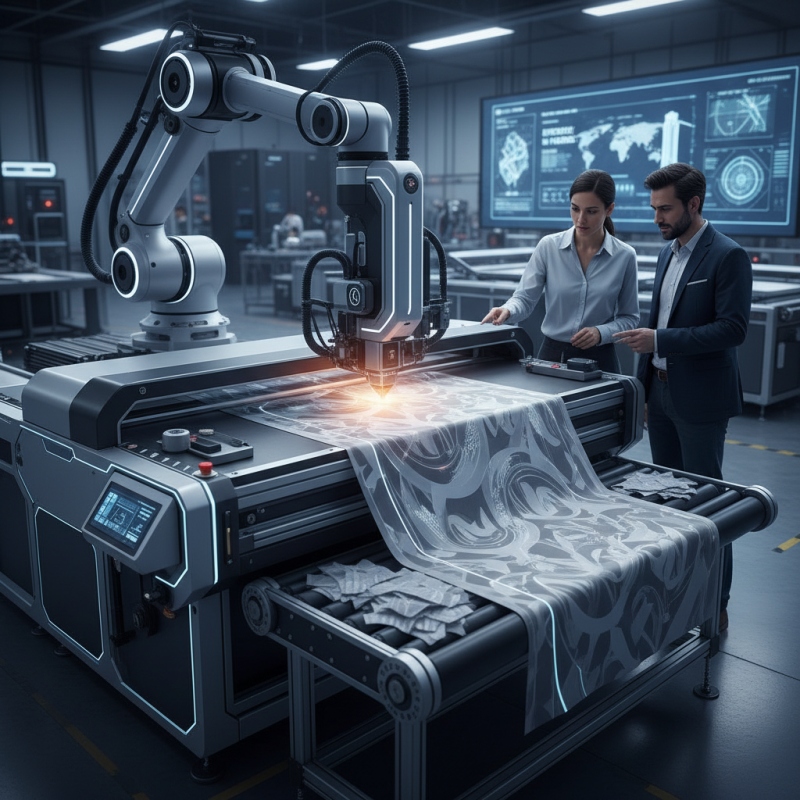
Another trend involves automation. Advanced laser systems now integrate with robotics, streamlining operations. Automation not only speeds up production but also reduces labor costs. Factories using these systems report a 25% increase in output. However, adoption challenges remain. Training staff to operate sophisticated machinery can be daunting.
**Tips:** Invest in training programs. Well-trained employees can maximize the benefits of new technology. Additionally, consider the initial costs and long-term savings. Investing wisely will ultimately pay off. Stay updated on industry trends and adapt accordingly. Embracing change is crucial for staying competitive.
Integration of AI and Automation in Fabric Laser Cutting Machines
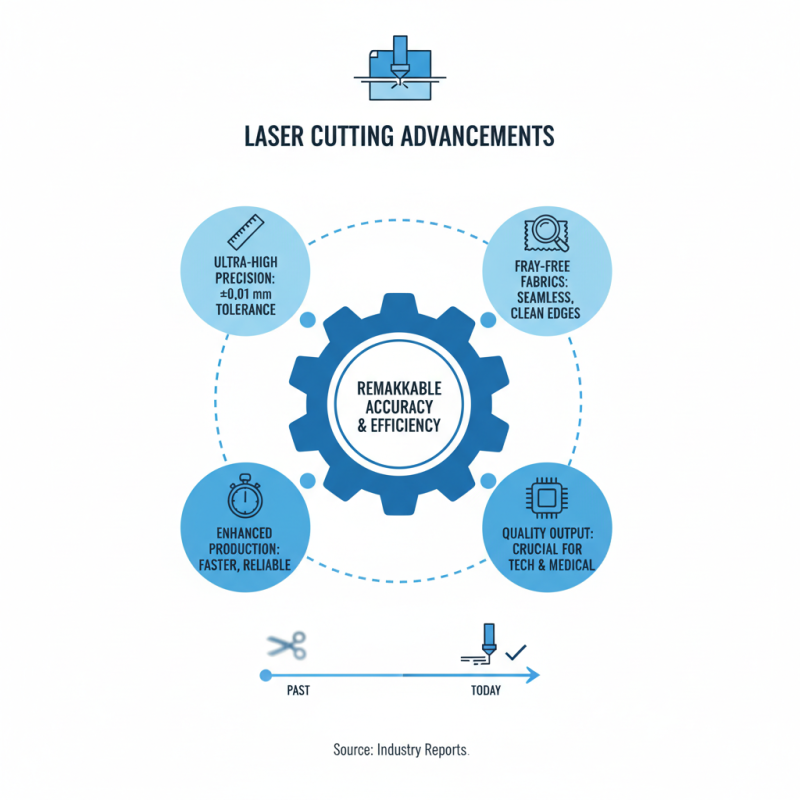
The integration of AI and automation in fabric laser cutting machines is transforming the textile industry. These advanced technologies enhance precision and efficiency. AI algorithms can analyze patterns and fabrics, optimizing cutting paths. This reduces waste and ensures accurate cuts every time.
Automation streamlines the entire cutting process. It allows for quick adjustments based on fabric type and design complexity. However, implementing these technologies is not without challenges. Existing labor forces may need training, which can be time-consuming. Additionally, the transition period can lead to temporary disruptions in production workflows.
Moreover, reliance on automated systems raises questions about creativity in design. Some fear that personalization may suffer as machines take over. Balancing technology and human input will be crucial. Finding the right synergy is essential to avoid potential pitfalls. The aim should be to enhance, not replace, artistic innovation in fabric cutting.
Sustainability and Eco-Friendly Practices in Laser Cutting Technology
The demand for sustainability in manufacturing is rising. In the realm of fabric laser cutting, eco-friendly practices are becoming paramount. Laser cutting technology can significantly reduce waste compared to traditional methods. It often requires fewer materials, leading to less overall waste. This is essential in an industry where excess fabric can end up in landfills.
Moreover, advancements in laser cutting machines are promoting energy efficiency. Newer technologies consume less power while providing high precision. However, many companies still struggle with the initial costs of upgrading their equipment. Balancing investment and sustainability can be challenging.
Another area for reflection is the sourcing of materials. Eco-friendly fabrics are gaining popularity, but they still represent a small portion of the market. Encouraging the use of sustainable fabrics requires collaboration across the industry. While progress is being made, it is clear there is still much work to be done. The journey towards fully sustainable practices in laser cutting is ongoing and will need constant innovation and awareness.
Emerging Applications and Industries Utilizing Fabric Laser Cutting
The fabric laser cutting machine technology is evolving quickly. Industries are discovering innovative applications that enhance their processes. In fashion design, laser cutting allows for intricate patterns. Designers can create unique pieces that stand out in a competitive market. It saves time and reduces waste, but precision is vital to avoid errors.
The interior design sector is also embracing this technology. Fabrics can be cut into precise shapes for upholstery. Custom decorations become easier to achieve. However, not all fabrics respond well to laser cutting. Some may fray or melt, requiring testing and adjustments. Innovations in this area are continuous, yet challenges remain.
In the automotive industry, fabric laser cutters are used for seat covers and interior elements. This leads to better aesthetics and functionality. But, scalability can be an issue. Smaller companies may struggle to keep up with larger competitors. The future of fabric laser cutting holds promise, yet it demands careful consideration of fabric types and production methods.
2026 Top Trends in Fabric Laser Cutting Machine Technology - Emerging Applications and Industries Utilizing Fabric Laser Cutting
| Trend |
Description |
Emerging Applications |
Industries Affected |
| Increased Automation |
Advancements in robotics and AI for improved efficiency. |
Automated fabric cutting processes. |
Textiles, Fashion |
| Eco-Friendly Cutting Solutions |
Development of sustainable materials and processes. |
Recyclable fabric applications. |
Fashion, Home Textiles |
| Customization Capabilities |
Ability to create personalized fabric designs easily. |
Custom clothing, personalized home decor. |
E-commerce, Retail |
| Integration with CAD |
Direct integration of design software with cutting machines. |
Precision cutting for complex designs. |
Industrial Design, Fashion |
| Speed and Efficiency Enhancements |
Faster cutting speeds with advanced laser technology. |
High-volume production runs. |
Manufacturing, Textiles |