2026 Top Trends in Industrial Weaving Machines for the Future?
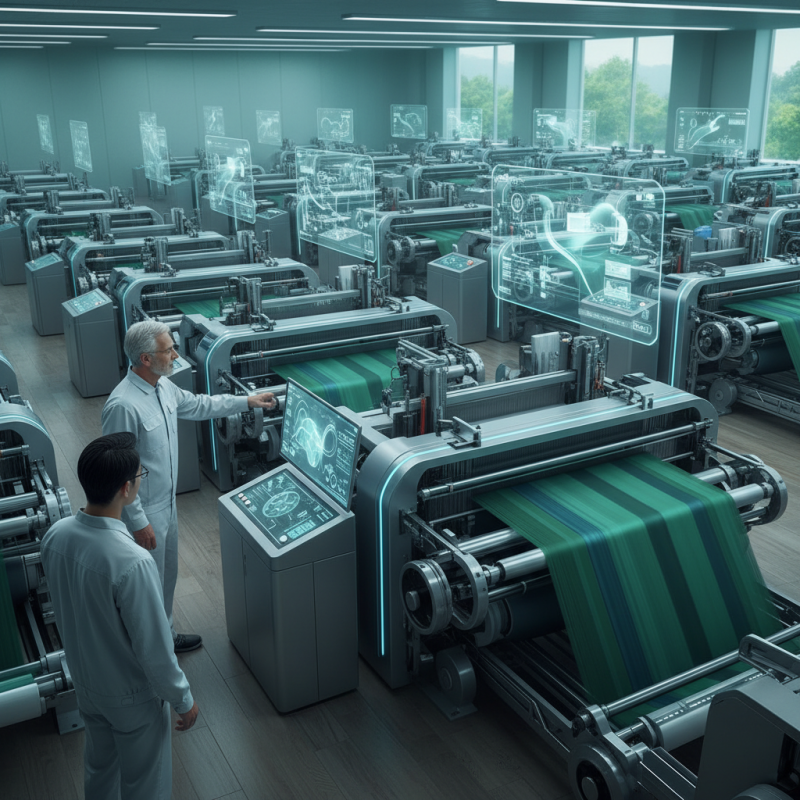
The industrial weaving machine landscape is evolving rapidly as we approach 2026. Innovations are reshaping how textiles are produced. New advancements promise to enhance efficiency and reduce waste significantly.
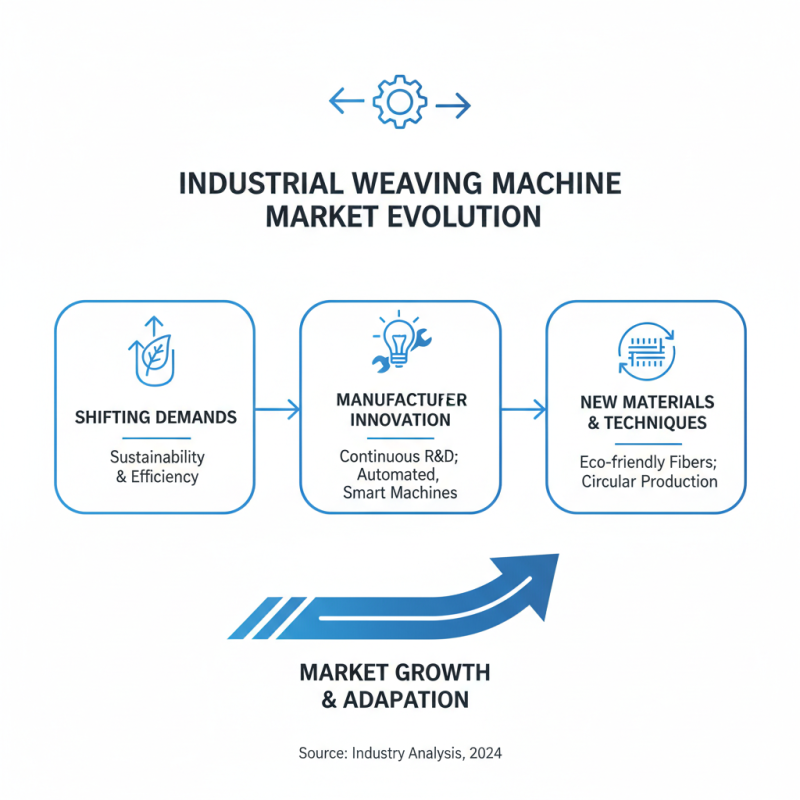
Sustainability is a primary concern. Manufacturers are now focusing on eco-friendly materials and technologies. However, the transition is not always straightforward. Some companies struggle with the high initial costs of upgrading equipment.
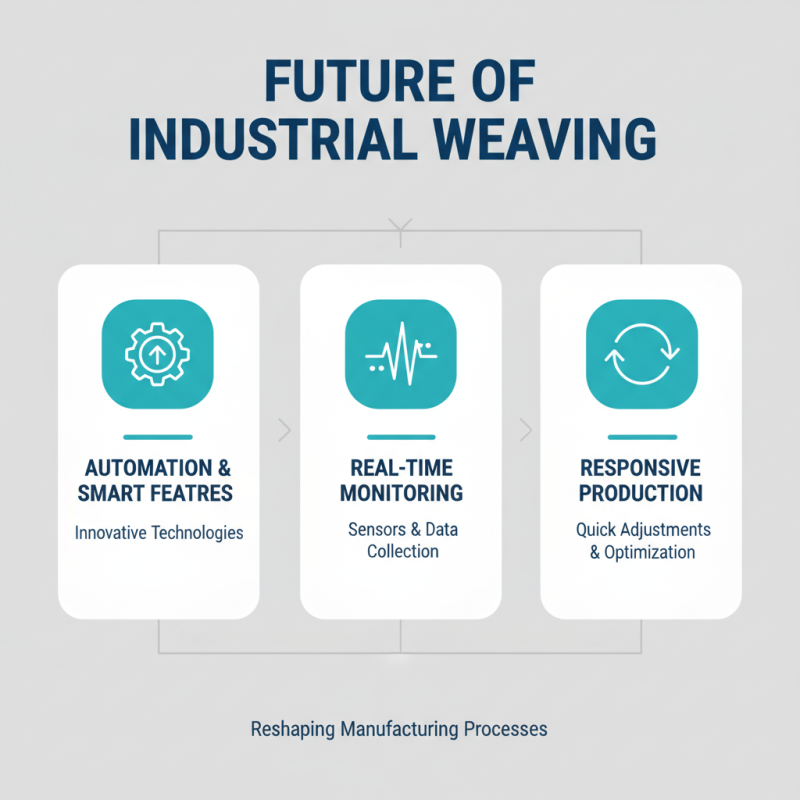
Additionally, automation is becoming a key trend. The integration of smart technologies helps optimize production processes. Yet, this often raises questions about job displacement. Balancing technology and workforce sustainability remains a critical challenge in the industry.
Emerging Technologies in Industrial Weaving Machines for 2026
The future of industrial weaving machines is promising as emerging technologies reshape the landscape. In 2026, a significant trend is the integration of artificial intelligence (AI) into production processes. According to a report by the Textile Institute, AI could improve efficiency by 30%. AI systems collect real-time data, allowing for quick adjustments. This technology, however, is still evolving and may face challenges in full implementation.
Automation remains a pivotal focus in weaving technology. Industry analysts predict that 50% of weaving machines will adopt robotics in the next few years. Robotics can enhance speed and precision, reducing waste by up to 25%. Yet, companies must consider the steep initial investment and training requirements. Adopting new technology can be a daunting task for legacy manufacturers.
Sustainability is another critical aspect to address. Reports indicate that eco-friendly materials and energy-efficient processes are gaining traction. About 70% of consumers prioritize sustainability in product choices. However, transitioning to sustainable practices involves complex supply chain alterations. The industry must navigate these challenges to meet growing consumer demands while maintaining profitability.
2026 Top Trends in Industrial Weaving Machines
This chart illustrates the projected trends in industrial weaving machines for 2026, highlighting key areas of development such as automation, energy efficiency, smart technology integration, and sustainability practices.
Sustainability Trends Shaping the Future of Weaving Machines
The weaving industry is experiencing a significant shift towards sustainability. Innovations are emerging to reduce waste and lower energy consumption. Eco-friendly materials are becoming popular, promoting recycling and sustainable sourcing. Many manufacturers are exploring biodegradable fibers as alternatives to traditional options.
Water usage is another focus area. New technologies are being developed to minimize water consumption during the weaving process. This can lead to significant resource savings. However, the implementation of these technologies often requires substantial initial investment. Some companies find it challenging to balance costs with sustainable practices.
The integration of smart technologies also plays a role. Automation can improve efficiency, but the energy used by machines can sometimes offset benefits. Decision-makers must carefully evaluate the overall impact. Striking a balance between innovation and environmental responsibility remains an ongoing discussion within the industry.
2026 Top Trends in Industrial Weaving Machines for the Future
| Trend |
Description |
Impact on Weaving |
Sustainability Aspect |
| Automation and Robotics |
Increasing use of automated machines to enhance production efficiency. |
Higher output and lower labor costs. |
Reduced energy consumption through optimized processes. |
| Smart Technology Integration |
Incorporation of IoT and AI for real-time monitoring and control. |
Enhanced quality control and predictive maintenance. |
Optimized resource usage and waste reduction. |
| Sustainable Materials |
Growing adoption of recycled and bio-based fibers. |
Diversification of fabric offerings. |
Lower carbon footprint and environmental impact. |
| Energy-Efficient Machines |
Development of machines that consume less power. |
Cost savings on energy bills. |
Supports global efforts to reduce greenhouse gas emissions. |
| Circular Economy Practices |
Implementing recycling and reuse systems within production. |
Innovative product lifecycle management. |
Minimizes waste and promotes sustainability. |
The Role of Artificial Intelligence in Weaving Processes
Artificial intelligence (AI) is transforming the textile industry. Weaving processes, in particular, are experiencing significant advancements. AI can optimize production by predicting demand. This means manufacturers can reduce waste. Fewer resources are lost in the process. Additionally, AI helps in quality control. It identifies defects faster than the human eye can.
Integrating AI into weaving machines offers many benefits. It can adjust settings in real-time for consistency in fabric production. This technology minimizes human error. However, reliance on AI raises concerns. For instance, what happens if systems fail? A sudden malfunction could halt production. Is there an effective contingency plan? This question requires careful consideration.
Tips for implementing AI effectively include regular training for staff. Workers should understand AI's workings and limitations. Additionally, invest in robust backup systems. Relying solely on technology can be risky. This should be balanced with human oversight. AI should assist, not replace. Embracing this balance can lead to more efficient and reliable weaving processes.