2026 Top Yarn Spinning Machine Innovations and Trends to Watch?
As the textile industry evolves, the demand for advanced machinery grows. Among these machines, the yarn spinning machine stands out, driving innovation and efficiency. In 2026, several key trends will shape this sector.
The integration of automation and smart technology is revolutionizing yarn production. Modern yarn spinning machines now feature AI-driven controls, allowing real-time monitoring. Enhanced precision reduces material waste, which is vital for sustainability. Many manufacturers also explore bio-based fibers, reflecting a shift towards eco-friendly practices in spinning.
However, challenges remain. Businesses must balance cost with investment in new technologies. There is also a steep learning curve for workers to adapt to automated systems. As the industry marches forward, embracing innovation is essential, but reflection on these challenges is equally important. The future of yarn production holds promise, yet requires thoughtful navigation of these complexities.
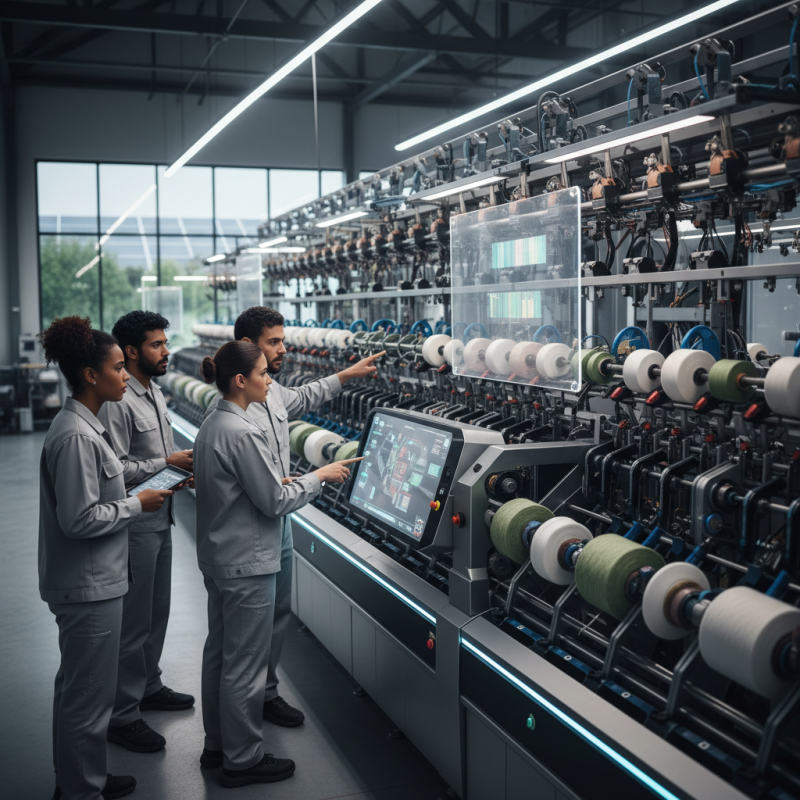
Emerging Technologies in Yarn Spinning Machines for 2026
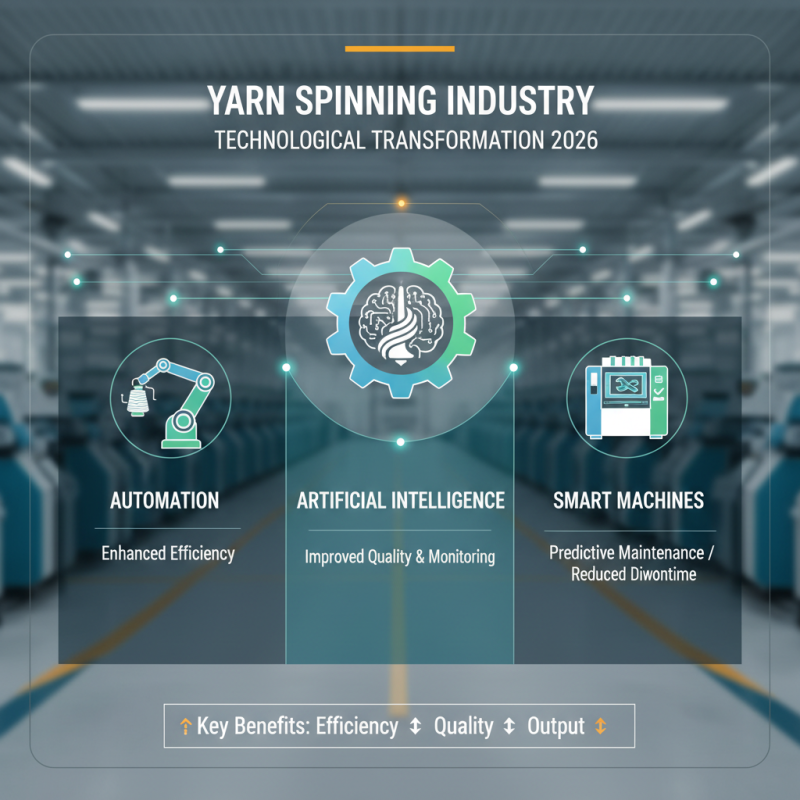
The yarn spinning industry is on the verge of a technological transformation in 2026. Advancements in automation and AI are becoming essential. These innovations promise to enhance efficiency and quality in yarn production. Smart machines can monitor their performance and suggest maintenance. This reduces downtime and increases output quality.
Robotics is entering the yarn spinning space as well. Automated systems can handle repetitive tasks. This frees up human workers for more complex roles. However, the transition is not without challenges. Workforce training is crucial to adapt to new technology. Without proper guidance, many may struggle to keep pace.
Tip: Invest in training programs for your staff to ensure they feel confident with new technologies.
Sustainability is another focus. Machines that consume less energy are gaining popularity. With rising energy costs, this innovation is crucial for companies. Yet, implementing these systems requires upfront investment. Not all factories are ready financially or operationally for such changes.
Tip: Start small. Gradually integrate sustainable practices into existing processes. This allows for smoother adaptation over time.
Sustainability Trends Impacting Yarn Spinning Innovations
Sustainability is reshaping the yarn spinning industry. Manufacturers are focusing on eco-friendly practices. This shift is crucial, as 70% of textile waste comes from unsustainable practices. Innovations, driven by green technology, are becoming standard. Companies are adopting recycled materials to reduce environmental impact.
Many spinning technologies now incorporate water-saving processes. Reports show that these methods can cut water usage by 50%. Energy-efficient machines are gaining traction too. Implementing renewable energy sources can lower carbon footprints significantly. However, some companies struggle to fully embrace these changes.
Challenges remain in balancing cost and sustainability. Producing eco-friendly yarn often requires higher initial investments. However, the long-term benefits can outweigh these costs. The industry must navigate these complexities. Adopting sustainable practices can lead to a brighter future for yarn spinning.
Automation and Smart Technologies in Yarn Production
The advancement of automation and smart technologies in yarn production is transforming the textile industry. According to a recent report by Mordor Intelligence, the global market for automation in textile manufacturing is expected to grow at a CAGR of 8.4% from 2021 to 2026. This shift is not just about efficiency; it’s also about precision. Modern spinning machines, equipped with AI and IoT capabilities, can monitor processes in real time. This ensures better quality control and reduces waste.
In this new era, workshops are beginning to resemble high-tech hubs rather than traditional textile mills. Machines can adjust parameters automatically based on real-time data analytics. However, these innovations often come with challenges. Many operators may find it difficult to adapt to new technologies without proper training. The reliance on sophisticated machinery can lead to equipment failures that disrupt production.
While automation promises increased productivity, it can also create a gap in the workforce. The demand for skilled labor to manage and maintain these technologies is on the rise. According to the World Economic Forum, there will be a skills shortage in the textile industry, with 30% of workers needing upskilling by 2025. The trend is clear: embracing smart technologies is essential, but so is preparing a workforce ready for this change.
2026 Top Yarn Spinning Machine Innovations and Trends to Watch
| Innovation/Trend |
Description |
Expected Impact |
Implementation Year |
| Automation Integration |
Incorporating automated systems for yarn production monitoring and management. |
Increased efficiency and reduced labor costs. |
2026 |
| Smart Sensors |
Utilization of IoT-enabled sensors to monitor machine performance in real-time. |
Enhanced predictive maintenance and reduced downtime. |
2026 |
| Data Analytics |
Leveraging big data analytics to optimize yarn production processes. |
Improved decision-making and operational performance. |
2026 |
| Sustainability Practices |
Adoption of eco-friendly materials and processes in yarn production. |
Reduction in carbon footprint and improved brand perception. |
2026 |
| Advanced Spinning Techniques |
Innovative spinning processes that enhance fiber strength and quality. |
Improved product performance and new market opportunities. |
2026 |
Key Players Driving the Yarn Spinning Machine Market
The yarn spinning machine market is evolving rapidly. Several key players are shaping this landscape with innovative technologies. According to recent industry reports, the market is projected to reach $4.5 billion by 2026. This growth is driven largely by advances in automation and digital technologies. Such changes respond to the increasing demand for high-quality yarn.
In the current environment, sustainability emerges as a critical factor. Many companies are investing in eco-friendly practices. They aim to reduce waste and energy consumption. For instance, innovative machines now use up to 30% less energy. Efficiency is essential, but some manufacturers still lag in adopting sustainable methods.
Furthermore, the integration of AI and IoT is transforming production. Smart factories are on the rise, using real-time data to optimize performance. However, the challenge remains in the skills gap among workers. Training programs are necessary but often underfunded. As the industry evolves, addressing these issues will be vital for sustained growth and innovation.
Future Challenges and Opportunities in Yarn Spinning Technology
The yarn spinning industry faces ongoing challenges. Sustainability remains a key concern. Manufacturers must adopt eco-friendly practices to remain competitive. Reducing waste and energy consumption is essential. Innovations in recycling materials can help address this issue.
New technologies are on the rise. Automation in spinning machines improves speed and efficiency. Yet, the high costs of implementation can be daunting for smaller companies. They may struggle to keep up with larger competitors. Finding a balance between technology and budget will be crucial.
Quality control is another area of focus. It ensures consistent yarn production. Implementing advanced monitoring systems can help, but they may also require additional training. Investing in staff education remains a challenge. The goal is to blend technology with skilled expertise. Balancing these elements will define the future of yarn spinning.