
Top 10 Benefits of Quick Die Change System for Manufacturers?

In today's fast-paced manufacturing landscape, a Quick Die Change System (QDCS) can transform production efficiency. Industry expert Dr. Emily Carter emphasizes, "Efficient die changes are crucial for competitive advantage." Her insight reflects the growing importance of speed and flexibility in manufacturing processes.

Implementing a QDCS significantly reduces downtime, allowing manufacturers to switch between tasks swiftly. This adaptability can lead to increased productivity and lower operational costs. However, transitioning to such systems isn’t without challenges; proper training and integration are essential.

Many companies underestimate the potential impact of a QDCS. Initial hurdles may arise, such as inconsistent die setups or resistance to change. Nevertheless, a well-executed QDCS can yield substantial long-term benefits, making it a worthy investment for manufacturers aiming for excellence. Embracing this system may hold the key to staying ahead in an increasingly competitive market.
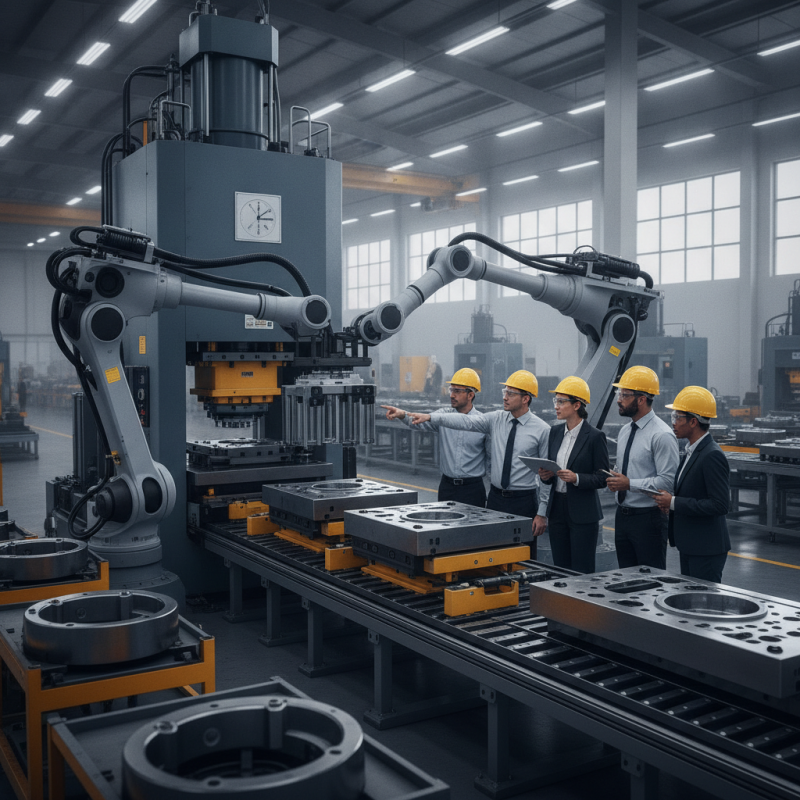
Top 10 Benefits of Quick Die Change System for Manufacturers?

Overview of Quick Die Change Systems in Manufacturing

Quick Die Change Systems (QDCS) play a crucial role in modern manufacturing processes. These systems enhance efficiency by reducing the time needed for tool changes. By simplifying setups and automating aspects of the changeover, manufacturers can significantly increase production rates. When a company minimizes downtime, it positively impacts overall output and profitability.

Implementing QDCS requires careful planning and training. Workers need to be familiar with the new processes. This adaptation period can lead to initial setbacks. However, the long-term benefits often outweigh these challenges. Consistent use of QDCS can lead to more flexible production lines that can quickly accommodate different products. With a focus on continuous improvement, manufacturers can refine their systems over time, achieving more reliable outcomes.

Yet, not all QDCS implementations are successful from the start. Some companies may struggle with the transition, facing resistance from employees or technical issues. Frequent communication and feedback become vital during this phase. Manufacturers must remain open to evaluating their processes. This reflection ensures that systems grow with the business and meet evolving demands in a competitive landscape.

Reduction of Downtime through Quick Die Change

In the manufacturing world, every second counts. A quick die change system can significantly reduce downtime. This efficiency boosts productivity and lowers operational costs. Implementing such a system minimizes the time machines spend idle during maintenance or setup. Many manufacturers report improved output rates after adopting quick changeover practices.

One essential tip is to prepare all necessary tools before starting the change. This approach eliminates delays caused by searching for equipment. Clean and organized workspaces also play a crucial role. Clutter can lead to mistakes, adding time rather than saving it.

Another consideration is the ongoing training of staff. Even with a quick die change system, untrained personnel can slow down processes. Regular workshops can enhance skills. Encouraging team collaboration during changeovers fosters an environment where efficiency thrives. Automating some processes could also help, but it requires careful analysis. Balancing technology with human expertise is vital.

Top 10 Benefits of Quick Die Change System for Manufacturers

Improvement in Production Efficiency with Quick Die Change

In the competitive landscape of manufacturing, efficiency is a crucial factor. A Quick Die Change (QDC) system significantly enhances production efficiency. Reports estimate that companies adopting QDC systems can cut changeover times by up to 80%. This allows manufacturers to produce smaller batches more economically, a vital advantage in today’s just-in-time production environment.

Moreover, the reduction in downtime is impressive. Studies have shown that effective QDC practices can reduce machine idle time by approximately 30%. This not only boosts overall productivity but also maximizes equipment utilization. However, QDC implementation is not without challenges. Training staff and integrating new processes requires time and investment. Manufacturers may face initial resistance, but careful planning can alleviate these concerns.

Despite the hurdles, the long-term benefits of QDC are evident. Industry experts highlight that faster changeover times lead to improved product quality. A well-implemented QDC can facilitate more frequent quality checks and minimal defects. On the flip side, the learning curve can be steep, and not every system suits every manufacturer. Adapting to QDC necessitates a cultural shift in some organizations. It’s a process that demands commitment, patience, and ongoing evaluation to reap the full benefits.

Top 10 Benefits of Quick Die Change System for Manufacturers

Benefit Description Impact on Production
Reduced Changeover Time Minimize the time taken to switch between different die setups. Increased production capacity and efficiency.
Improved Flexibility Allows for quick adjustments to meet varying product demands. Ability to respond swiftly to market changes.
Enhanced Quality Control Reduces errors during setup and transition between molds. Higher quality products and reduced waste.
Lower Operational Costs Minimizes labor and downtime costs associated with changeovers. Improved overall profitability.
Increased Equipment Utilization Maximizes the time machines are running compared to being idle. Better return on investment for machinery.
Streamlined Work Processes Facilitates standardized procedures for die changes. Reduced setup complexity and training time.
Improved Safety Reduces risks associated with complex changeover operations. Safer working environments for employees.
Enhanced Ergonomics Design improvements that facilitate easier handling of dies. Reduced physical strain on workers.
Better Team Collaboration Encourages communication and teamwork during changeover operations. Improved team efficiency and morale.
Scalability Facilitates easy scaling up or down of production based on demand. Enhanced adaptability in production lines.

Enhanced Flexibility and Customization Options for Manufacturers

In today's manufacturing landscape, enhanced flexibility is crucial.

Quick Die Change (QDC) systems play a significant role in achieving this flexibility. By reducing die changeover times, manufacturers can adapt to changing production needs swiftly. For example, a factory can easily switch from producing one product to another in a matter of minutes. This capability helps meet customer demands more effectively.

Customization options are also greatly improved with QDC systems. Manufacturers can easily modify their processes to create unique products. This can lead to higher customer satisfaction and loyalty. However, it is not without challenges. Some manufacturers might struggle with the initial investment and training required for implementing these systems. Additionally, the efficiency gains are not always guaranteed. Companies must thoughtfully evaluate their processes to truly benefit from QDC.

Despite these hurdles, the potential advantages are significant. Enhanced flexibility and improved customization options have the power to revolutionize production lines. The ability to respond quickly to market changes is a game-changer. Companies that do not embrace this shift may find themselves lagging behind. Exploring new technologies and continually refining processes can lead to lasting improvements.

Cost Savings and Increased Profitability from Quick Die Change Systems

Manufacturers are always looking for ways to reduce costs and increase profits. A quick die change system can be a game changer in this aspect. By minimizing downtime during tool changes, companies can significantly boost productivity. Imagine a factory that traditionally takes hours to switch dies. With a quick die change system, this process can be completed in minutes. This transformation directly translates into increased operational efficiency.

Moreover, the financial benefits are substantial. Less downtime means more products can be manufactured within the same timeframe. This leads to higher output without the need for additional labor or resources. Additionally, improved efficiency often results in lower production costs. However, it’s essential to evaluate the initial investment. Some manufacturers hesitate due to upfront expenses. Reflecting on cost versus benefit plays a crucial role in decision-making.

While the advantages are clear, not all implementations succeed. Some companies face challenges during the transition. Issues such as employee training and process integration can hinder progress. Assessing potential pitfalls is vital for successful adoption. In the end, the potential for savings and profitability with quick die change systems is significant, but it demands careful planning and execution.

Go to Top
Translate »