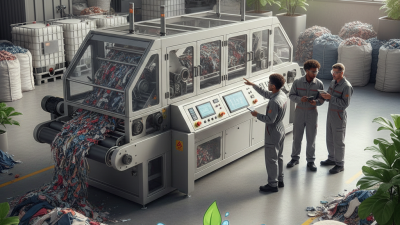
In the world of textile production, few tools are as transformative as the wool carding machine. Expert and textile engineer Jane Collins emphasizes its importance, stating, “A wool carding machine not only enhances efficiency but also ensures quality.” This simple yet revolutionary device prepares raw wool for spinning, opening up a range of benefits for both artisans and larger manufacturers.
Using a wool carding machine significantly reduces the time taken to process wool by automating the carding process. It can handle larger quantities than manual methods. This shift allows artisans to focus on creativity rather than labor-intensive tasks. Additionally, the quality of the final product tends to improve. The machine evenly distributes fibers, minimizing inconsistencies.
However, there are struggles in adapting to this technology. Some traditionalists may resist change, fearing it compromises craftsmanship. This hesitance can hinder progress in an industry that thrives on innovation. Embracing the wool carding machine is a step that can elevate production, yet it requires an open mindset to appreciate both tools and techniques in wool crafting.
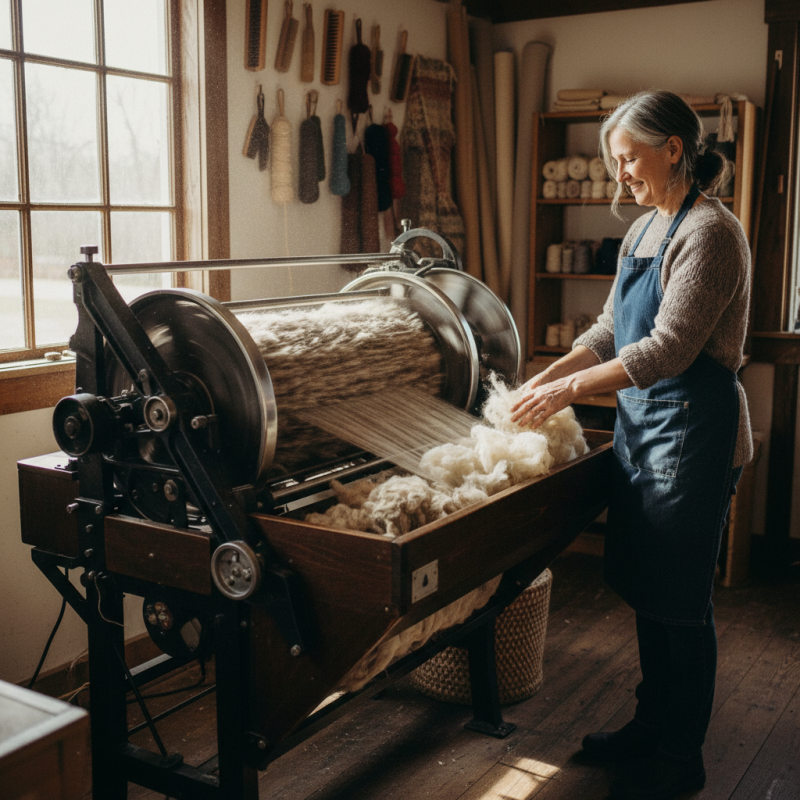
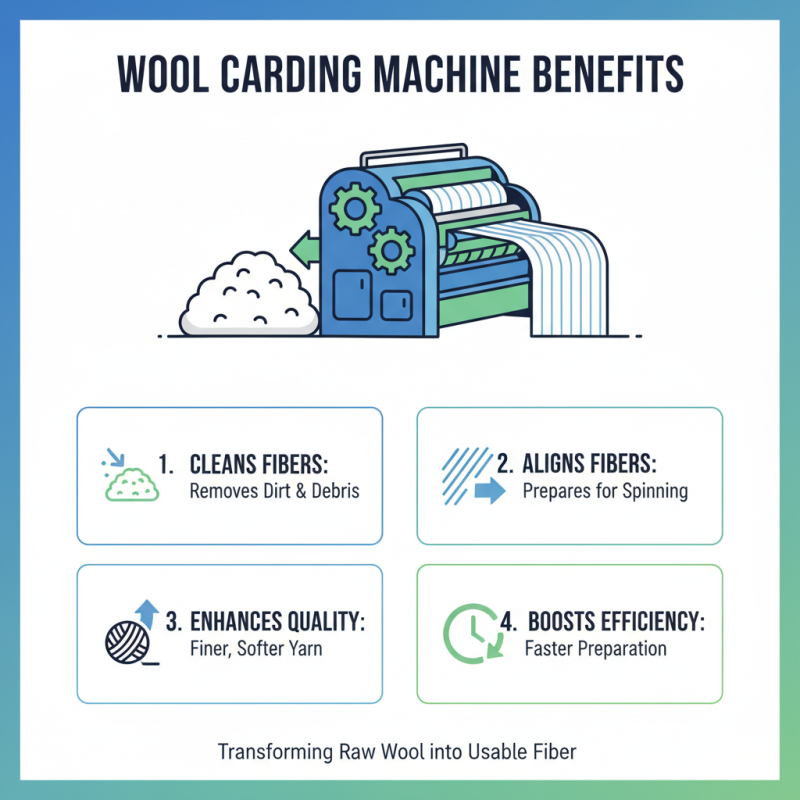
Using a wool carding machine can significantly enhance fiber preparation. This equipment processes raw wool, turning it into usable fibers more efficiently. The machine aligns fibers, making them easier to spin. It can also remove dirt and debris from the wool. This results in cleaner and higher-quality yarn.
A wool carding machine saves time and effort. Manual carding can be tedious. It often leads to uneven fibers and wasted material. With a machine, uniformity is more achievable. However, some operators may find it challenging to adjust settings. Training is essential to optimize performance. There’s a learning curve that can be frustrating.
The final product benefits considerably from machine carding. Yarn produced is more consistent and easier to handle. This is crucial for knitting or weaving. Yet, it can be easy to overlook maintenance needs. Neglecting care can diminish efficiency over time. Regular checks are necessary to keep the machine running smoothly. This balance between attention and productivity is key in fiber preparation.
The carding process enhances yarn quality and consistency. By opening up and aligning the fibers, carding creates a more uniform blend. Reports show that well-carded wool contributes to at least a 25% increase in overall yarn strength. This is essential for durable fabrics.
Using a wool carding machine allows for improved efficiency. It reduces the presence of knots and tangles in the wool. In fact, studies indicate that a properly functioning carding machine can eliminate 80% of impurities. However, the setup and maintenance of such equipment require careful attention. Operators must regularly check the machine to avoid issues.
Proper carding results in less breakage during spinning. This translates to a smoother production process. Yet, not all machines achieve the same results. Variability in performance can lead to inconsistencies in final products. Continuous training and adjustments are needed to maintain high standards. Overall, optimizing the carding process is crucial for any fiber producer aiming for quality yarns.
| Benefit | Description | Impact on Yarn Quality |
|---|---|---|
| Improved Fiber Alignment | Carding helps to align the wool fibers, which leads to more consistent yarn. | Higher evenness in yarn texture. |
| Enhanced Fiber Openings | Carding opens up the fibers more effectively, reducing neps. | Smoother finished products. |
| Optimal Blending | Allows for better blending of different types or colors of wool. | Enhanced color uniformity and blending quality. |
| Reduction in Waste | Efficient carding reduces fiber waste during processing. | More productive use of materials. |
| Enhanced Softness | Carding results in a softer texture by fluffing the fibers. | Increased consumer appeal. |
| Improved Consistency | Machine carding ensures consistent processing across batches. | Uniform quality across products. |
| Faster Production | Automated carding speeds up the wool preparation process. | Increased output efficiency. |
| Versatility | Can process various types of wool and blends. | Broader product offerings. |
| Cost Efficiency | Reduced labor costs and waste management enhance profitability. | Improved bottom line for manufacturers. |
| Quality Control | Automated systems allow for better monitoring of fiber quality. | Higher standards maintained throughout production. |
Wool carding machines offer remarkable efficiency in processing wool. They streamline the carding process, making it faster and more effective. Traditional methods can be slow and labor-intensive. With automation, a wool carding machine speeds up operations significantly. This allows businesses to meet higher demand and reduce processing time.
Using a wool carding machine also enhances the quality of the wool. Even though machines can be efficient, there might be inconsistencies in how wool is processed. Different fibers have unique characteristics. Some may not card well together. Attention to detail is crucial. Operators must monitor the process closely.
Increased speed doesn’t mean compromising quality. Workers need to adjust settings based on the wool type. This adjustment takes time and experience. Balancing speed and quality is not always easy. Sometimes, a rushed process can lead to poor results. Each batch of wool is unique, and every carding machine has its quirks.
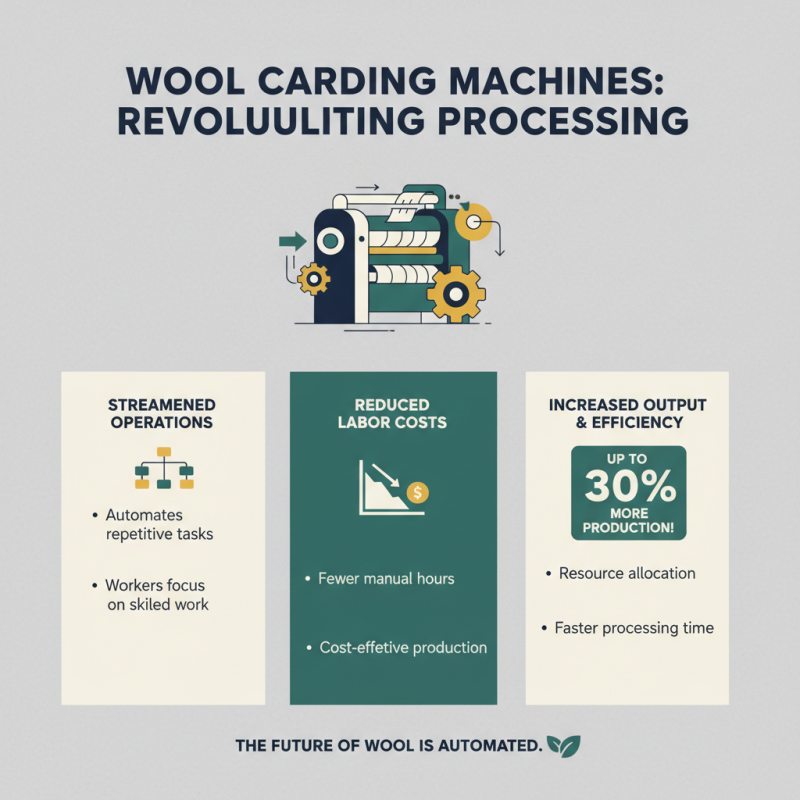
Wool carding machines are revolutionizing wool processing. They streamline operations, allowing workers to focus on valuable tasks. Reduced labor costs become an apparent advantage. Research shows that automation can increase output by up to 30%. This efficiency allows businesses to allocate resources more effectively.
Wool handlers often face physical strains. Manual carding can lead to repetitive stress injuries. Using a carding machine significantly lowers this risk. Workers can manage larger quantities of wool with less effort. A study by the International Wool Textile Organisation found that such machines reduce labor hours by up to 50%. This creates a safer work environment.
Tips: Always ensure machine training for operators. Consider periodic maintenance to keep machines running smoothly. Also, regularly review processing efficiency. Small adjustments can lead to better productivity. By investing in technology, wool production becomes more sustainable. It's about working smarter, not harder.
Wool carding machines offer diverse applications for various types of wool. These machines can effectively process fine merino wool or coarser sheep's fleece. Their versatility makes them a favorite among crafters and industrial users alike. Blending different wool fibers becomes easier, allowing for unique textures and colors. This opens the door to countless creative possibilities.
One tip for using a wool carding machine is to experiment with different wool blends. Test a few combinations on small batches first. You may find unexpected results that enhance your projects. Remember, not every blend will work perfectly. Sometimes, the fibers may not mix as expected, leading to a final product that feels rough or uneven.
Another tip is to adjust the settings based on the fiber type. Fine wool requires gentle handling, while coarser fibers can endure more pressure. Observing the machine’s response to each type will help you refine your technique. Don't rush the process, as it can lead to misaligned fibers and poor quality output. Celebrate your mistakes; they can lead to new discoveries in your wool crafting journey.