Best Fabric Inspection Machine Manufacturer in China?

Choosing the best fabric inspection machine manufacturer in China requires more than comparing prices or catalog images. Buyers need to assess inspection accuracy, usable working width, line speed, service access, and how clearly defects are recorded. A machine may look impressive on a showroom floor. The roll tells the truth.

Textile Exchange’s Materials Market Report 2024 estimates global fiber production reached 124 million tonnes in 2023, with production potentially rising to 160 million tonnes by 2030. This report describes fiber supply, not inspection-machine demand. Still, it shows the scale of material moving through textile supply chains. At that scale, missed weaving flaws, stains, or shade variations can create costly rework and rejected fabric.

For manufacturers, a useful evaluation starts with a live trial using their own fabric rolls. Ask for documented inspection results, defect-marking options, lighting specifications, and speed tests across different materials. Request references from customers with similar production needs, plus clear details on installation, operator training, spare parts, and response times. Small details matter. A sample roll with visible labels and repeatable defect records is more persuasive than a broad accuracy claim. No supplier is perfect, and a polished demonstration may not represent daily factory conditions. This guide examines how to compare Chinese manufacturers using practical criteria, available evidence, and questions buyers should ask before placing an order.
Best Fabric Inspection Machine Manufacturer in China?

Fabric Inspection Machines: Purpose and Main Applications

Best Fabric Inspection Machine Manufacturer in China?

Fabric Inspection Machines: Purpose and Main Applications

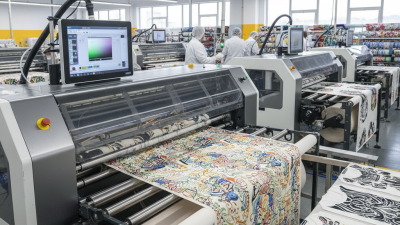
Fabric inspection machines help textile teams examine fabric before cutting, sewing, or shipment. They unwind a roll across an illuminated inspection table. Operators watch for holes, stains, slubs, shade changes, weaving faults, and printing errors. Many systems measure length and detect tension problems. A stable viewing speed matters. If fabric moves too quickly, small defects disappear. If it moves too slowly, productivity falls.

Their applications cover knitted fabric, woven fabric, denim, coated materials, and technical textiles. Garment factories use inspection data to grade rolls and plan cutting layouts. Dye houses compare color consistency between batches. Home-textile producers check width, selvage quality, and repeated patterns. Export-oriented mills also keep digital records for traceability. This evidence supports clear communication between suppliers and buyers. It does not replace skilled judgment. Some defects depend on customer tolerance. Not always.

From practical production experience, lighting, calibration, and operator training often influence results more than advertised speed. The first setup is rarely perfect. Roll hardness, fabric elasticity, and surface reflection can confuse sensors. A reliable manufacturer should explain detection limits, provide sample testing, and offer maintainable components. Ask for trial inspection using your actual fabric, not a showroom roll. Check measurement accuracy, software usability, emergency protection, and service response. A machine may identify a defect, yet the operator still decides its commercial importance. That human step deserves attention.

Core Technologies Used in Fabric Inspection Systems

Best Fabric Inspection Machine Manufacturer in China?

Core Technologies Used in Fabric Inspection Systems

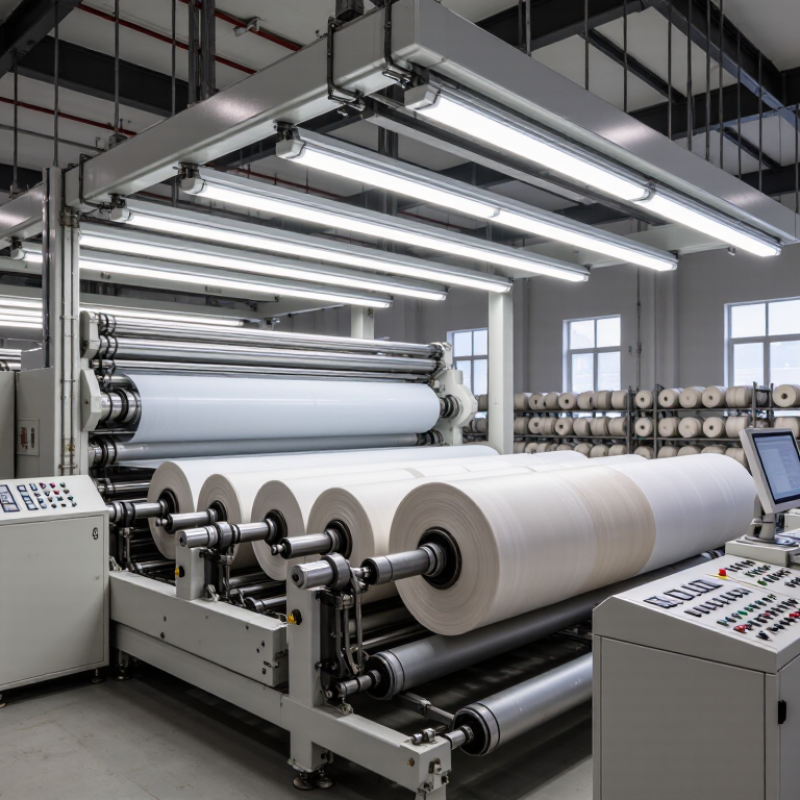
Modern fabric inspection systems combine controlled lighting, precision mechanics, cameras, and software. Their performance depends on how these parts work together on a production floor. High-intensity LED lighting reveals stains, slubs, holes, and color variations across moving fabric. Adjustable light angles help inspectors examine knitted, woven, and coated materials. Uniform illumination matters. Uneven light can create false defects.

Line-scan cameras capture continuous fabric images at high speed. Encoders track fabric movement and keep image proportions accurate. Industrial processors then compare captured images with set defect parameters. Some systems use machine learning to recognize repeated patterns, but software still needs carefully labeled samples. A clean defect library improves reliability. Poor samples can confuse the algorithm.

Tension control is equally important. Excessive tension may hide wrinkles or change fabric width during inspection. Automatic edge tracking keeps the material centered, while synchronized rollers reduce image distortion. Operators should verify camera calibration, lighting intensity, and measurement accuracy regularly. Small errors grow over long rolls.

No system is perfect. Dark fabrics, reflective surfaces, and dense patterns remain difficult to assess. Human review still has value, especially when defects are unusual or unclear. A reliable manufacturer should provide testing records, transparent specifications, practical training, and responsive technical support. Real factory trials reveal more than attractive brochures.

Best Fabric Inspection Machine Manufacturer in China? — Core Technologies Used in Fabric Inspection Systems

A practical comparison of the main technologies used in fabric inspection systems. Performance depends on fabric type, machine configuration, operating speed, lighting, and inspection criteria.

Technology or System How It Works Typical Inspection Role Useful Outputs Selection Considerations
Line-scan camera imaging Captures successive image lines as fabric moves through the inspection zone, creating a continuous image of the material. Detects visible surface defects across a moving fabric web, including holes, stains, broken yarns, and irregular patterns. Defect location, image record, defect category, and fabric-width coverage. Camera resolution, lens selection, web width, fabric speed, and image-processing setup affect detection results.
Area-scan camera imaging Captures a two-dimensional image of a stationary or intermittently moving section of fabric. Inspects sample areas, slower processes, or applications where detailed local images are useful. Still images, visual records, and local defect measurements. Image area and capture frequency must match the fabric movement and the size of defects to be detected.
LED illumination Uses controlled visible light to reveal changes in fabric surface appearance, color, and texture. Supports visual detection of stains, shading differences, weave irregularities, and surface marks. More consistent image contrast and repeatable inspection conditions. Light position, brightness, color temperature, and diffusion should be suited to the material and inspection task.
Transmitted backlighting Places a light source behind translucent or open-structure fabric so that gaps and changes in light transmission can be seen. Helps identify holes, open picks, mesh irregularities, and certain construction defects. Contrast images highlighting openings and variations in fabric structure. Most effective when the fabric allows enough light through; dense or opaque materials may require other lighting methods.
Oblique and grazing-angle lighting Directs light across the fabric surface at a shallow angle to emphasize raised, recessed, or reflective features. Can reveal surface texture changes, creases, pile direction issues, and some raised defects. Enhanced contrast for selected surface and texture features. Light angle and direction may need adjustment for fabric texture, finish, and direction of travel.
Web tension control Uses tension-measuring and drive-control components to keep fabric feeding steadily through the inspection zone. Reduces slack, excessive stretching, and movement that can interfere with inspection or create misleading images. More stable fabric presentation and consistent inspection conditions. Suitable tension depends on fabric construction; delicate, elastic, and lightweight fabrics need careful setup.
Edge guiding and alignment Uses edge sensors and guiding mechanisms to maintain the fabric's lateral position on the machine. Helps keep fabric within the inspection field and supports consistent presentation across the web width. Improved edge tracking and fewer inspection gaps caused by lateral drift. Sensor selection and guide response should account for fabric edges that are curled, frayed, or difficult to distinguish.
Encoder-based length measurement Measures fabric movement using an encoder linked to a measuring roller or drive system. Associates detected defects with their position along the fabric roll. Length position, defect spacing, and roll-length records. Measurement accuracy depends on encoder setup, roller contact, fabric slip, and calibration.
Defect classification software Processes captured images using configured rules or image-analysis algorithms to identify and categorize visual patterns. Organizes detected issues into categories such as holes, stains, slubs, or pattern irregularities. Defect lists, category counts, image references, and inspection summaries. Detection performance depends on image quality, fabric appearance, defect definitions, and system setup; results may require operator verification.
Operator marking and review interface Displays inspection information and lets an operator review or mark detected defects during or after inspection. Supports manual confirmation, quality grading, and downstream identification of defect locations. Marked defect positions, operator notes, and review records. Interface usability, marking method, and data retention should suit the factory's inspection workflow.
Roll measurement and winding control Combines measured fabric travel with controlled winding and unwinding to handle the roll during inspection. Maintains a manageable fabric path and records inspected roll length. Roll-length data and controlled fabric take-up or release. Roll diameter, fabric weight, winding tension, and roll-handling requirements affect machine configuration.
Inspection data storage and reporting Stores inspection records, defect positions, images, and roll information for later review. Supports traceability, quality analysis, and comparison between inspection runs. Digital reports, roll histories, defect maps, and inspection records. Data fields, export formats, storage capacity, and integration requirements should be agreed before installation.

Criteria for Evaluating Chinese Manufacturers

Choosing a fabric inspection machine manufacturer in China requires more than comparing prices. Start with proven production experience. Ask how many years the factory has built inspection systems. Request videos of machines running with knitted, woven, and stretch fabrics. Real footage reveals operating details that brochures often hide.

Technical capability matters at the cutting table. Check fabric speed, inspection width, lighting uniformity, roll diameter, and edge alignment. Ask whether the machine can record defects with stable image quality. A serious manufacturer should explain calibration, software updates, and spare-part availability in clear language. Review test reports, electrical documentation, and quality-control records. Certifications help, but they should match the actual machine.

Visit the factory if possible. Observe assembly areas, wiring, welding, and final testing. Ask to inspect a sample roll using your own fabric. This exposes vibration, noise, tension changes, and missed defects. Speak with recent customers about delivery accuracy and service response. I once focused too heavily on machine speed and overlooked operator training. That mistake caused avoidable setup delays. No supplier is perfect. A reliable one admits limitations, proposes practical adjustments, and provides measurable acceptance standards before payment.

Manufacturer Profiles and Product Capabilities

China’s fabric inspection machine manufacturers vary in build quality, software depth, and after-sales support. A useful profile should show working-machine footage, test records, and the fabric types handled—not just polished catalog images. Check usable inspection width, line speed, lighting options, roll diameter, and whether the system records defect location. Ask for a trial using your own fabric. Small defects can disappear under unsuitable lighting.

Textile Exchange’s Materials Market Report 2024 estimates global fiber production reached 124 million tonnes in 2023, underscoring the scale and variety of materials moving through mills. That context makes adaptability important. A capable supplier should explain how its machine handles lightweight knits, woven fabric, and material with surface texture, while maintaining stable tension. Request sample inspection reports and confirm whether operators can export defect maps or connect records with existing production systems. Useful details beat broad claims.

Compare manufacturers by measurable results: inspection accuracy on agreed defect samples, repeatability across shifts, and time needed to change fabric settings. Ask how calibration is checked and which parts require routine replacement. A neat interface is not proof of reliable detection. Nor is maximum speed always the right target; fast inspection may miss subtle flaws if lighting or fabric control is poor. One detail often gets overlooked: operator training. Even a strong machine can produce inconsistent judgments when setup instructions are vague.

How to Choose a Fabric Inspection Machine Supplier

Choosing a fabric inspection machine supplier starts with your actual production conditions, not a glossy speed claim. Define the fabric width, roll diameter, inspection speed, and common defects you need to see. Ask how illumination and camera settings can be adjusted for sheer, dark, or patterned materials. Small details matter. A shadow near the selvage can hide a flaw.

Request a trial using your own fabric rolls. Observe whether operators can stop, mark, and rewind material without disrupting the workflow. Ask for written details on inspection accuracy, calibration, installation, training, and spare-part availability. Check how service requests are handled and what response time is realistic. A polished demonstration is useful, but it cannot represent every fabric type. No checklist catches everything. Compare test results with your quality team, and note any defects the system misses. Supplier selection is rarely perfect; an honest discussion of limits may be more useful than a promise of flawless detection.

Go to Top
Translate »