What is the Best Fabric Winding Machine in China?
In the bustling textile industry of China, choosing the right fabric winding machine is crucial for enhancing production efficiency. According to a market report by Technavio, the global fabric winding machine market is expected to grow steadily, driven by increasing demand for high-quality textiles. Industry expert, Dr. Yang Li, highlights, "A reliable fabric winding machine can drastically reduce material waste and enhance operational efficiency."
As manufacturers strive to remain competitive, the need for sophisticated machinery becomes imperative. Fabric winding machines play a pivotal role in ensuring that fabrics are wound uniformly and without tension, leading to better quality outputs. However, not all machines are created equal. Some may not offer the technological advancements required to meet modern demands.
The market is filled with options, making it overwhelming for buyers. While factors like price and performance are vital, the machine's reliability also must be considered. A poor choice can lead to production delays and increased costs. Reflecting on these aspects is essential for any enterprise looking to invest in a fabric winding machine. Balancing innovation with practicality is key to making informed decisions in this fast-evolving landscape.

Overview of Fabric Winding Machines in China
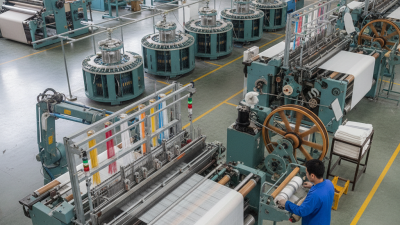
China has become a significant player in the fabric winding machine market. These machines are essential for textile manufacturers. They help in organizing and storing fabrics efficiently, reducing wastage and improving production flow. The choice of machine can greatly influence efficiency and cost-effectiveness in production lines.
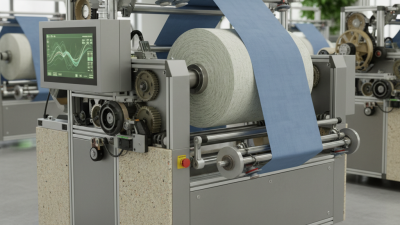
In recent years, various types of fabric winding machines have emerged. Many incorporate advanced features like automatic tension control and real-time monitoring. These improvements enhance usability and reliability, ensuring consistent results. However, not all machines meet these standards. Some may lack durability, leading to frequent repairs. Users often report challenges regarding maintenance and operational complexity.
Understanding specific needs is crucial when selecting a fabric winding machine. Different manufacturers might prioritize speed over precision or vice versa. Buyers should evaluate the overall design and user experience. It's important to reflect on feedback from current users. Learning from their experiences can provide valuable insights into machine performance and longevity.
Key Features to Consider in a Fabric Winding Machine
When selecting a fabric winding machine, there are several key features to keep in mind. The machine's capacity is crucial for efficiency. A standard high-quality model can handle anywhere from 100 to 500 kg of fabric rolls. Higher capacity machines typically save time and labor costs in production.
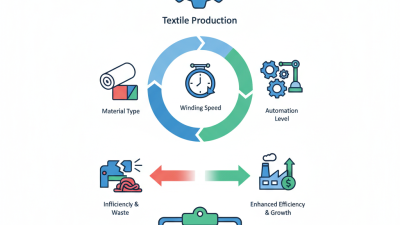
Speed is another critical factor. Many fabric winding machines operate at speeds of 30 to 100 meters per minute. Higher speed can lead to increased productivity, but there’s a trade-off regarding fabric quality. Poor winding at high speeds can lead to uneven tension and potential damage. Operators must find the right balance.
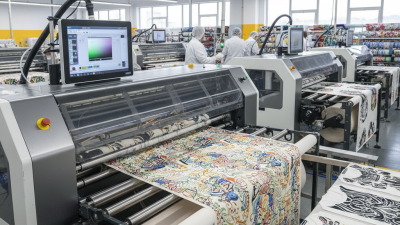
Additionally, consider the machine's user interface and controls. A machine that offers programmable settings can greatly enhance usability. Operators reported increased satisfaction when machines feature digital controls and easy-to-read displays. However, not all machines come with advanced technology. Some rely on manual adjustments, which can introduce variability in production quality. This gap highlights the importance of thorough research before making a purchase. Industry reports suggest that investing in user-friendly designs can lead to better long-term outcomes.
Comparative Analysis of Fabric Winding Machines in China
Top Fabric Winding Machine Manufacturers in China
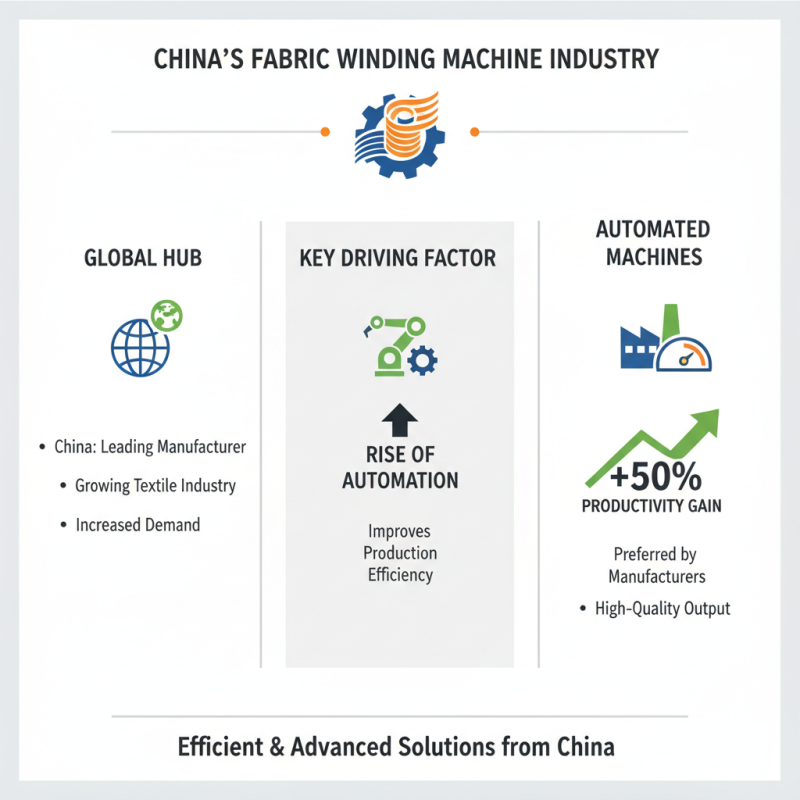
China has become a hub for fabric winding machine manufacturers, driven by the growing textile industry. Reports indicate that the demand for efficient and high-quality winding machines is increasing. One key factor is the rise of automation, which improves production efficiency. According to industry data, automated fabric winding machines can enhance productivity by up to 50%, making them a top choice for manufacturers.
When selecting a fabric winding machine, consider the type of fabric you'll be handling. Different machines cater to specific materials, whether it's woven, knitted, or non-woven fabrics. Additionally, the winding speed and tension control are crucial for ensuring quality output. A machine that offers adjustable settings allows for versatility in production.
Tip: Regular maintenance is essential for maximizing the lifespan of your machine. This can prevent unexpected downtimes, which can affect overall production efficiency. Check for wear and tear frequently to ensure smooth operation. Another point to reflect on is the importance of training operators on the machine's functions. This can greatly improve safety and efficiency during operation.
Comparative Analysis of Leading Models in the Market
When exploring fabric winding machines in China, several leading models stand out. Each has its unique features, suited for different production needs. Efficiency and ease of operation are critical factors that set these machines apart. For instance, one model boasts a high-speed winding mechanism that can handle various fabric types. Its user-friendly interface simplifies the setup process, catering to operators with varying skill levels.
However, not every model excels in all areas. Some machines may struggle with thicker fabrics, leading to potential jams and inefficiencies. This aspect raises concerns about their versatility in handling diverse textiles. Additionally, maintenance routines vary significantly; some machines require frequent checks, while others are more robust in their design. Understanding these nuances is crucial for making an informed choice.
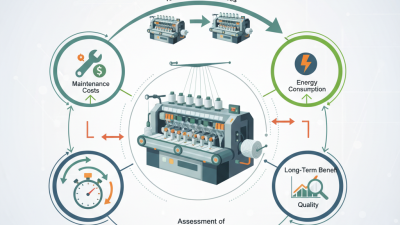
Moreover, the cost of operation plays a vital role in the decision-making process. Energy consumption differs among models, potentially impacting long-term profitability. A comprehensive assessment of these factors will enhance your understanding of the market. Ultimately, selecting the best fabric winding machine hinges on balancing efficiency, versatility, and operational costs.
Customer Reviews and Buying Guide for Fabric Winding Machines
When searching for the best fabric winding machine in China, customer reviews play a crucial role. These reviews provide insights into the experiences of previous users. Many customers highlight the machine's reliability and efficiency. A common feedback point is the need for better user manuals. Some users struggled with initial setup.
Understanding the key features of a fabric winding machine can help in making an informed choice. Look for machines that offer adjustable tension settings and speed controls. These features can significantly impact fabric quality. Moreover, the durability of components matters, particularly for high-volume production.
Tips: Always check online reviews regarding customer service. A responsive support team can make a significant difference. Also, consider machines that have spare parts readily available. This can save you time and frustration in the long run. Ensuring the warranty cover is sufficient is also vital. A solid warranty can offer peace of mind during your purchase.
What is the Best Fabric Winding Machine in China? - Customer Reviews and Buying Guide for Fabric Winding Machines
| Model |
Price (USD) |
Max Fabric Width (cm) |
Speed (m/min) |
User Rating (out of 5) |
Features |
| Model A |
1200 |
160 |
25 |
4.5 |
Automatic tension control, easy setup |
| Model B |
1500 |
200 |
30 |
4.8 |
High precision winding, user-friendly interface |
| Model C |
1000 |
150 |
20 |
4.2 |
Compact design, versatile use |
| Model D |
1300 |
180 |
27 |
4.7 |
Low noise operation, durable build |
| Model E |
1400 |
175 |
26 |
4.6 |
Smart control panel, energy-efficient |