2026 Best Textile Inspection Machine for Quality Control?
In the dynamic world of textile production, quality control is paramount. A reliable textile inspection machine can significantly enhance the overall manufacturing process. These machines detect flaws and ensure that only the best materials reach consumers. The technology behind these machines is advancing rapidly, offering precise measurements and real-time monitoring.
Selecting the right textile inspection machine is essential for manufacturers aiming for excellence. Features to consider include automation, accuracy, and ease of use. These factors directly impact productivity and reduce waste. However, the market is filled with options that may confuse buyers. Not all machines offer the same level of reliability, and some may fall short of expectations.
Investing in a quality textile inspection machine contributes to a brand's reputation. Yet, many companies hesitate to upgrade their systems due to perceived costs. This decision could lead to missed opportunities in quality assurance. Understanding the importance of these machines can guide manufacturers toward better choices. With thoughtful consideration, the right machine can elevate a brand's quality assurance processes.
Overview of Textile Inspection Machines and Their Importance
Textile inspection machines play a crucial role in ensuring product quality within the fabric manufacturing process. According to a report by the Global Textile Industry, up to 30% of fabric defects can go unnoticed without proper inspection. These machines identify issues like fabric flaws, color mismatches, and incorrect patterns. They help companies maintain high standards.
Inspection machines vary in technology and capability. For instance, some utilize advanced vision systems for real-time monitoring. Others incorporate artificial intelligence to analyze fabric quality. The impact on production efficiency is significant, with studies indicating that proper inspection reduces waste by nearly 20%.
However, not all inspection machines are flawless. Many still struggle with complex patterns or varying fabric textures. There are instances when false positives lead to unnecessary waste. Companies must constantly evaluate their equipment for effectiveness and reliability. The journey toward optimal quality control is ongoing, as technology evolves and market demands shift.
Overview of Textile Inspection Machines and Their Importance
This chart displays the efficiency of different types of textile inspection machines used for quality control in the textile industry. It highlights the accuracy rates of each machine type, reflecting their importance in ensuring product quality.
Key Features to Look for in Textile Inspection Machines
When selecting a textile inspection machine, understanding key features is essential. One critical element is the machine's scanning capability. It should detect defects, color variations, and patterns effectively. High-resolution cameras and sensors are vital for ensuring accurate inspections. Look for machines that offer real-time analytics. Fast feedback can prevent costly errors and waste.
Another important feature is user-friendly software. The interface should allow operators to easily set parameters and analyze results. Training staff on complex software can be challenging, leading to potential inefficiencies. A straightforward design can reduce the learning curve and enhance productivity.
Moreover, consider the machine's versatility. It should handle different fabric types and sizes. This adaptability ensures it can meet your evolving production needs. However, some machines may compromise on quality for versatility. It’s crucial to balance flexibility with performance. Regular maintenance is also necessary to sustain the machine's effectiveness. Neglecting this can lead to unexpected downtimes and increased costs.
Top Technologies in Textile Inspection for Quality Control
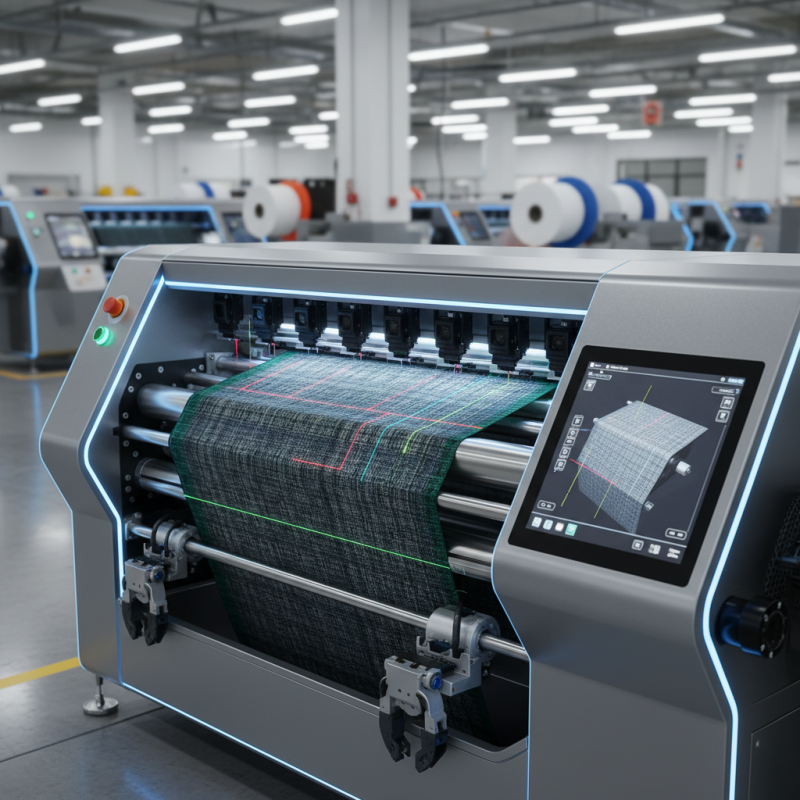
In the realm of textile inspection, modern technologies play a crucial role in upholding quality control. Automated optical inspection systems are increasingly popular. These machines utilize advanced cameras and software. They detect flaws in fabrics with precision. In many cases, they achieve higher accuracy than human inspectors. However, integrating such systems requires careful calibration and operator training.
Another significant technology involves machine learning algorithms. These algorithms can analyze fabric patterns and detect defects in real time. They continually improve by learning from past inspections. However, they still require a robust dataset for optimal performance. This means that initial implementation can be time-consuming and costly.
Moreover, innovative systems like X-ray and infrared inspection offer unique advantages. They can uncover issues in the fabric's structure, which is often invisible to the naked eye. Yet, the complexity of these technologies may lead to operational challenges. Maintenance is critical to ensure consistent performance. Thus, while the future of textile inspection is promising, organizations must remain vigilant about their implementation strategies.
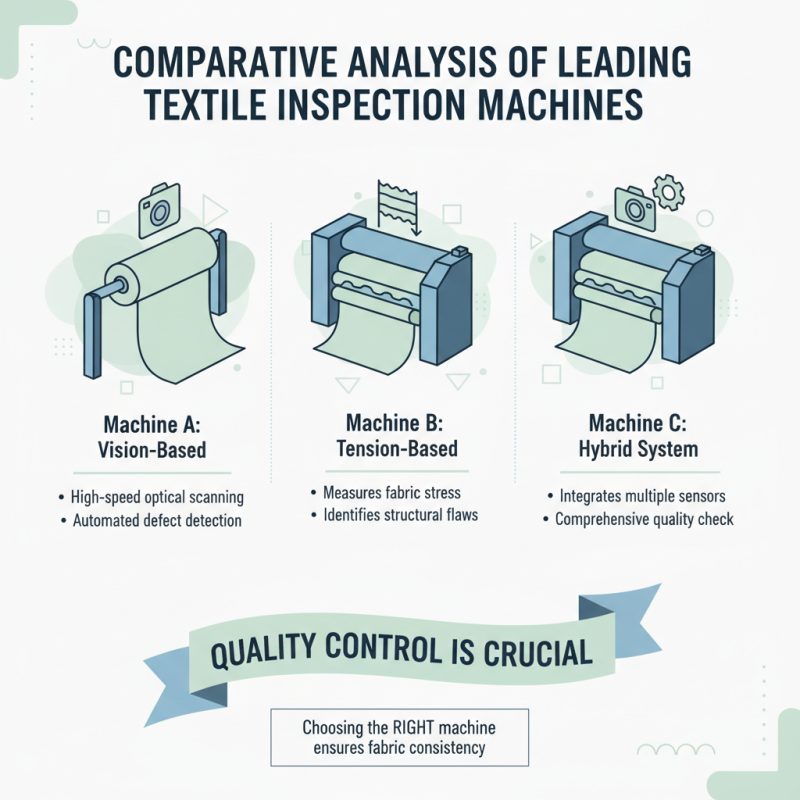
Comparative Analysis of Leading Textile Inspection Machines
The textile inspection process plays a crucial role in quality control. Various machines are available for this purpose. They help detect flaws in fabrics and ensure consistency. Quality assurance is vital in the textile industry. Therefore, choosing the right inspection machine can be challenging.
When comparing these machines, consider how each performs under different conditions. Automated systems may offer speed but could miss subtle imperfections. Manual inspection might catch more defects, yet it's time-consuming. Assessing costs, efficiency, and technology used is essential.
**Tip:** Regularly train staff to interpret inspection results effectively. A well-informed team can enhance the overall quality assurance process.
Additionally, think about integration. Will the machine work well with your existing production line? The best choice is one that complements rather than complicates operations.
**Tip:** Keep records of inspections to track trends over time. This data can help improve both the machines and the fabrics produced. Evaluating performance consistently is key to upholding quality standards.
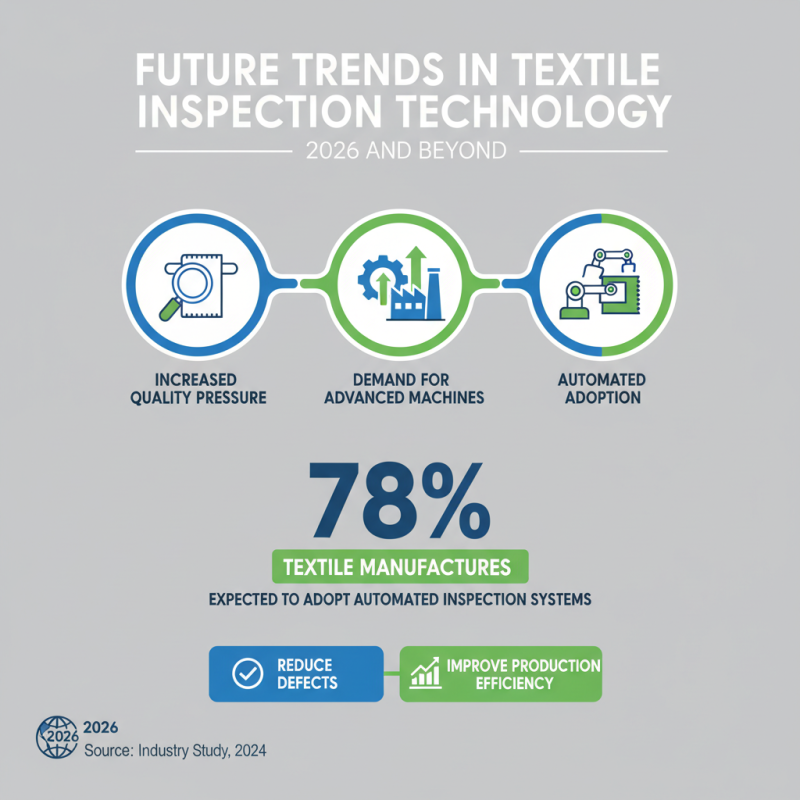
Future Trends in Textile Inspection Technology for 2026 and Beyond
The textile industry faces increasing pressure for quality assurance. By 2026, the demand for advanced textile inspection machines is projected to rise significantly. According to a recent study, 78% of textile manufacturers are expected to adopt automated inspection systems. This shift aims to reduce defects and improve production efficiency.
Recent advancements in artificial intelligence and machine learning are steering textile inspection technology. These technologies enhance defect detection rates, with accuracy improvements reported at up to 95%. Manufacturers are now exploring solutions that integrate real-time data analytics. This enables quicker adjustments in production processes, addressing quality issues as they arise.
However, many companies struggle with full implementation. The skills gap remains a challenge. A report indicated that 62% of textile firms lack trained personnel capable of utilizing these technologies effectively. As the industry evolves, continuous training and adaptation will be crucial for brands aiming to reach their quality control goals while keeping costs manageable.