2026 Best Textile Machinery Innovations You Should Know?
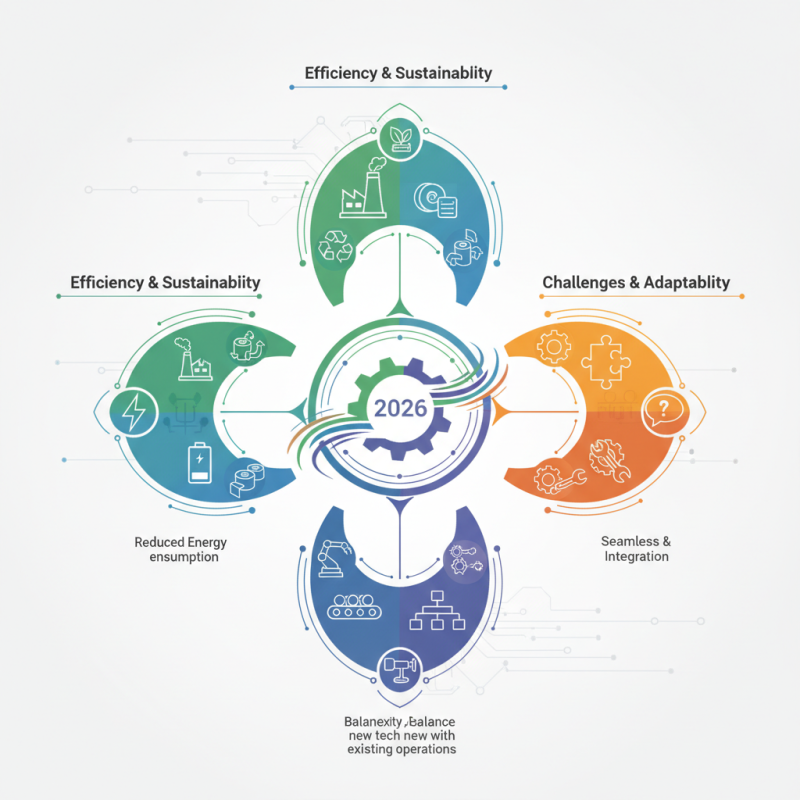
The textile machinery industry is on the verge of significant transformation in 2026. Innovations are emerging that promise to reshape how fabrics are produced and processed. These advancements focus on efficiency, sustainability, and automation.
New technologies in textile machinery enhance productivity. They reduce waste and energy consumption, addressing the growing demand for eco-friendly solutions. Users often seek machinery that integrates seamlessly into existing operations. This can sometimes create challenges when adapting to new systems.
Yet, not all innovations are foolproof. Some may introduce complexities that require careful management. The balance between adopting cutting-edge technology and maintaining operational simplicity is crucial. As we explore the best innovations, it is essential to understand both the potential benefits and the challenges that come with them.
Key Trends in Textile Machinery Innovations for 2026
The textile machinery sector is on the brink of transformative innovations for 2026. Key trends reveal a significant shift towards sustainability in manufacturing processes. Reports indicate that the global market for sustainable textile machinery is projected to reach $5 billion by 2026. This growth stems from increasing demand for eco-friendly production methods. Innovations in energy-efficient machines are expected to reduce energy consumption by up to 30%.
Automation remains a critical focus area. With over 70% of manufacturers planning to invest in automated solutions, the industry aims to enhance productivity and reduce labor costs. Smart machines, powered by AI and IoT, will optimize operations and enable real-time data tracking. However, the challenge lies in the high initial investment and the need for skilled technicians. Many companies struggle with balancing automation and the human element in production.
Recycling technology is also gaining traction. Systems designed for fabric recycling will be crucial in reducing waste. Current textile waste statistics are alarming, with around 92 million tons produced annually. This trend toward closed-loop systems shows promise but requires a cultural shift in how textiles are perceived and handled. Not all manufacturers are adapting quickly enough, risking obsolescence in an ever-evolving market.
Breakthrough Technologies Transforming Fabric Production Processes
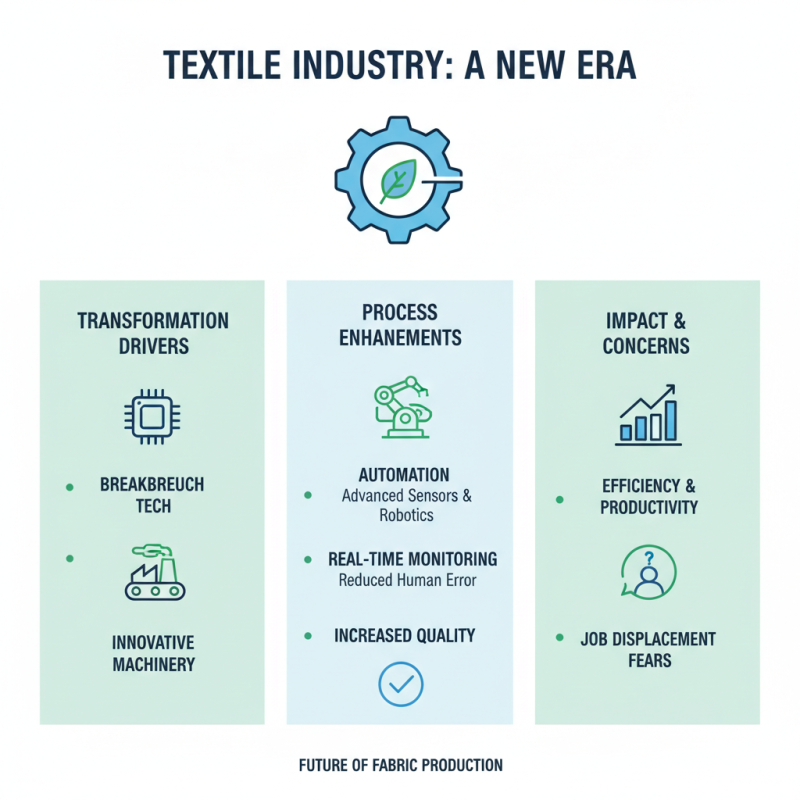
The textile industry is undergoing a significant transformation, driven by breakthrough technologies. Innovative machinery is enhancing efficiency in fabric production processes. We see automation playing a pivotal role. Machines now use advanced sensors and robotics to monitor production in real-time. This reduces human error and increases quality control. However, reliance on technology raises concerns about job displacement.
Sustainable practices are also gaining traction. New technologies enable the use of recycled materials in textile production. This shift towards eco-friendly processes influences how fabrics are designed. Yet, manufacturers still face challenges. Balancing sustainability with cost-effectiveness is not easy. Many methods still require significant energy and resources. The industry must reflect on its environmental footprint.
3D knitting technology is changing the game. It offers customization with minimal waste. Fabrics can now be created on-demand, reducing overproduction. This approach saves material and time. But, it may not be accessible for every manufacturer. Smaller companies often struggle to adopt such technologies. The path forward is intricate but filled with potential. The industry must embrace these innovations while addressing the hurdles they present.
Sustainable Practices in Textile Machinery for Eco-Friendly Manufacturing
The textile industry is undergoing significant changes. Sustainable practices are becoming essential.
Eco-friendly manufacturing methods can reduce waste and resource consumption. One innovation is the use of
water-saving dyeing technologies. These processes use significantly
less water than traditional methods. This is crucial, as textile dyeing consumes massive amounts of water globally.
Another area gaining attention is recycling. Some machines can process
post-consumer textiles. This approach aims to create new fabrics from old garments. It’s not always perfect. The quality
of recycled fibers can vary. Manufacturers may struggle to maintain consistency, but the benefits outweigh the challenges.
Tips: Consider implementing energy-efficient machinery. This can lead to
reduced operational costs. Engage with local suppliers to minimize carbon footprints. Sustainable practices may require
investment, but the long-term savings can be substantial.
Automation and Robotics in Textile Machinery: A 2026 Perspective
The textile industry is undergoing a rapid transformation, particularly in automation and robotics. By 2026, predictions suggest that around 60% of textile manufacturing operations may incorporate automated systems. This trend is driven by the need for increased efficiency and cost reduction. Robotics can perform repetitive tasks faster and with greater accuracy than human labor.
Recent reports indicate a significant shift towards intelligent automation. For instance, some factories are now utilizing AI-driven machines that can learn from their environment. This leads to improved production speeds and reduced fabric waste. Despite these advancements, there are challenges. The initial costs for implementing these technologies can be substantial. Moreover, training workers to collaborate with robotics requires time and investment.
Tip: Focus on incremental changes. Start by automating simpler tasks to ease the workforce into new technologies. Small adjustments can lead to substantial benefits over time.
One important consideration is workforce impact. While automation enhances operational productivity, it can displace jobs. Industries must find ways to retrain workers. Balancing technology and human skills is essential. A collaborative approach, using both human insights and machine efficiency, will be key to overcoming these challenges. Investing in workforce development can turn potential drawbacks into opportunities.
Future of Smart Textiles: Innovations and Implications in Machinery
The textile industry is evolving rapidly, especially in smart textiles. Innovations in machinery are driving this change. We are seeing machines that can weave fabrics with embedded sensors and communication devices. These textiles are not just materials anymore; they can interact with the environment. This opens up new uses, from healthcare to fashion.
When using smart textiles, consider integrating user feedback during development. Machine concepts often miss the mark when not aligned with user needs. Testing prototypes with potential users may reveal hidden challenges and opportunities. With advancements, it’s essential to address these nuances.
Investing in smart machinery is crucial. However, keep in mind the balance between automation and craftsmanship. Over-automation can lead to a loss of traditional skills. Finding ways to incorporate both will create unique products. Emphasizing quality will still matter as technology progresses.
2026 Best Textile Machinery Innovations You Should Know
| Innovation |
Description |
Technology Type |
Implications |
| Smart Weaving Machines |
Integrates IoT technology for real-time monitoring and efficiency. |
IoT and AI |
Reduces waste and optimizes production processes. |
| Automated Dyeing Systems |
Offers precise color matching and reduced water usage. |
Eco-friendly technologies |
Minimizes environmental impact and operational costs. |
| Digital Printing Technology |
Enables custom designs with quick turnaround times. |
Digital Fabric Printing |
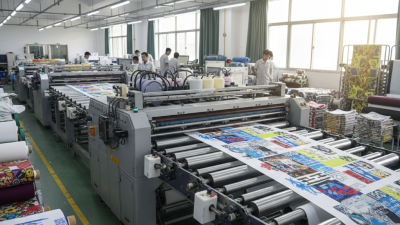
Expands design possibilities and increases market responsiveness. |
| 3D Knitting Machines |
Create entire garments in one piece, reducing labor. |
3D Technology |
Enhances production efficiency and reduces waste. |
| Automated Cutting Equipment |
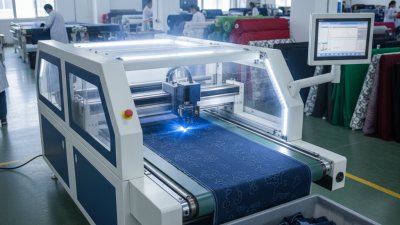
Uses laser cutting for precision and less material loss. |
Laser Technology |
Improves consistency and quality in production. |