What is the Best White Shade Net for Global Buyers?
In today's agricultural and construction industries, the choice of materials significantly impacts productivity and sustainability. One material gaining traction is the White Shade Net. According to a recent market report, demand for shade nets is expected to grow at a CAGR of over 5% from 2023 to 2030. This growth highlights the increasing awareness of climate control in agriculture and horticulture.
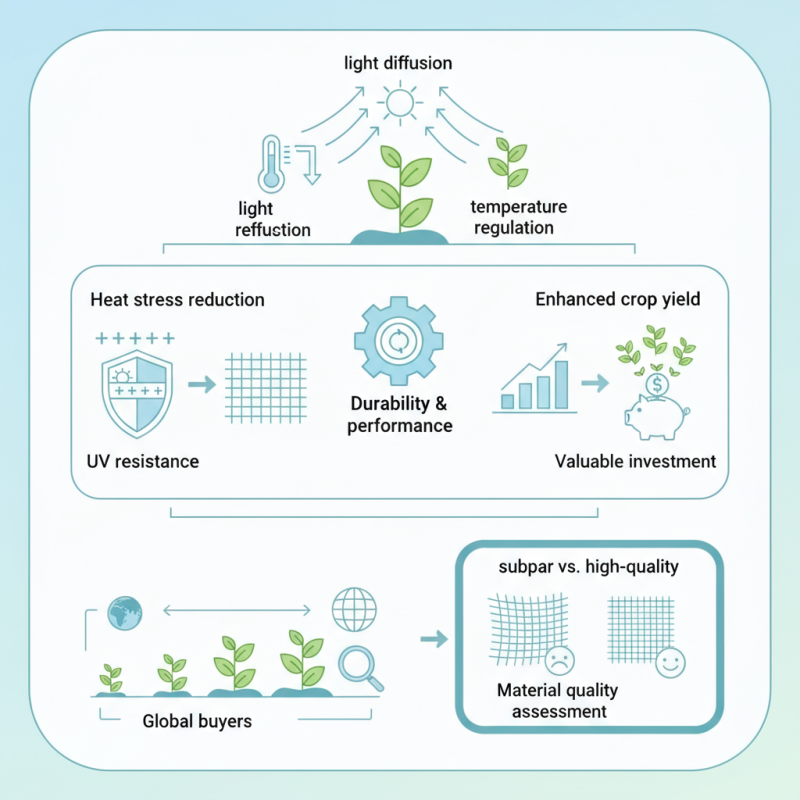
White Shade Nets are known for their ability to provide optimal light diffusion. They help in reducing heat stress on plants and maintaining the right temperature for growth. However, not all nets on the market offer the same benefits. Some products are subpar and can deteriorate quickly under harsh conditions. As global buyers navigate through options, understanding the material quality is crucial.
Moreover, the effectiveness of a White Shade Net often relies on specific factors like UV resistance and fabric density. These elements affect durability and performance. Buyers must weigh their options carefully, as the cheapest solution may not always be the best. Investing in a high-quality White Shade Net can enhance crop yield significantly, making it a valuable choice for both growers and suppliers.
Factors to Consider When Choosing White Shade Nets for Global Markets
Choosing the right white shade net involves multiple factors crucial for global buyers. The first consideration is the UV protection level. Quality shade nets should provide at least 90% UV blockage, ensuring safety for plants and people. According to industry reports, the best-performing nets reduce heat buildup, allowing for a more stable microclimate.
Material is another vital aspect. High-density polyethylene (HDPE) is favored for its durability and flexibility. Studies show that nets made from HDPE can last up to 10 years under extreme conditions. However, not all nets are created equal. Buyers should inspect the weave density. A tighter weave often means better strength but might limit airflow.
Cost-effectiveness is essential. While cheaper options may seem attractive, they often compromise on longevity and effectiveness. Reports indicate that investing in a high-quality net can result in lower replacement costs over time. It's wise to balance initial costs with long-term value. Buyers should also consider local environmental factors. Soil types, climate conditions, and intended use may all influence the best choice.
Analysis of the Material Properties of White Shade Nets
When evaluating white shade nets, material properties play a crucial role. The most common materials include polyethylene and polypropylene. Each offers unique benefits and drawbacks. Polyethylene is lightweight and highly UV stable, ensuring longevity. However, it can degrade over time under constant sunlight exposure. Polypropylene, on the other hand, is sturdier but may have less UV resistance.
Understanding the density of the net is also essential. Higher density nets provide better shade but may restrict airflow. This can lead to heat buildup in certain environments. While lighter nets allow for better air circulation, they might not provide enough protection from strong sunlight. Balancing these factors is challenging for global buyers.
Color retention is another factor that merits attention. White nets tend to reflect sunlight, helping to keep areas cooler. However, dirt and grime can quickly accumulate, diminishing their appearance and effectiveness. Cleaning these nets requires regular maintenance, which can be a burden. Buyers must weigh these considerations against their specific needs.
Market Trends and Demand for White Shade Nets Worldwide
The global demand for white shade nets has seen a significant rise in recent years. According to industry reports, the market is expected to grow at a compound annual growth rate (CAGR) of 5.6% from 2023 to 2030. Increasing awareness about environmental sustainability fuels this growth. More agriculture suppliers are opting for shade nets that balance plant health with energy efficiency.
Regions like North America and Asia-Pacific lead the demand for these products. In Asia-Pacific alone, the market is projected to expand by USD 125 million during this forecast period. These nets are essential in protecting crops from excessive sunlight, promoting optimal growth. Moreover, they help conserve water and reduce irrigation needs, which appeals to eco-conscious farmers.
However, it is essential to consider the variability in product quality. Not all white shade nets are manufactured equal. Buyers often face challenges in distinguishing between premium and substandard nets. This issue highlights the need for due diligence and research. Detailed product specifications and certifications can provide insights into a net's efficacy and durability. As the market evolves, buyers must adapt their purchasing strategies to make informed decisions.
What is the Best White Shade Net for Global Buyers? - Market Trends and Demand for White Shade Nets Worldwide
| Region | Demand (Metric Tons) | Market Growth Rate (%) | Average Price (USD per ton) | Key Applications |
| North America | 3000 | 5 | 1200 | Horticulture, Construction |
| Europe | 4500 | 4 | 1300 | Agriculture, Sports Facilities |
| Asia Pacific | 12000 | 7 | 800 | Greenhouses, Fisheries |
| Latin America | 2000 | 6 | 1000 | Orchards, Outdoor Events |
| Middle East & Africa | 1500 | 3 | 1100 | Shade Structures, Landscaping |
Comparative Review of Leading White Shade Net Manufacturers
In the world of shade nets, choosing the best white shade net can significantly impact agricultural efficiency and crop protection. Various manufacturers provide distinct products, each with unique features that cater to different climates and plant needs. According to recent industry reports, the demand for white shade nets has increased by 15% in the past year alone, reflecting a growing awareness of their benefits.
Some leading manufacturers focus on UV protection levels, while others emphasize durability. For instance, shade nets with a UV blockage rating above 90% are crucial for sensitive plants. Many experts recommend shades that provide around 50% to 60% shade, as this balance optimizes light penetration and promotes healthy growth.
Tip: When selecting a net, consider local climate conditions. High humidity may require more breathable materials. Always consult with experts or relevant reports before making a decision.
Furthermore, understanding the material composition is critical. Some nets may degrade quickly in harsh weather, leading to increased costs. Data suggests that regular inspections can extend the lifespan of shade nets significantly, up to 30%. Choose wisely and regularly evaluate your options.
Impact of UV Protection Ratings on Shade Net Performance
UV protection ratings significantly influence the performance of shade nets. Choosing the right shade net is essential for optimal protection against harmful UV rays. Not all white shade nets offer the same level of UV defense, even if they look similar. Buyers must look for specific ratings that indicate how well a net blocks UV radiation. A higher rating ensures better protection, particularly for plants and people.
When assessing shade nets, it’s important to consider the material used. Some nets provide excellent UV protection but may not be durable. This trade-off can affect long-term performance. Buyers should weigh the benefits of UV protection against material quality. A short-lived net may lead to more expenses in the future. Regular inspections can help gauge the net’s condition over time.
Understanding the nuances of UV protection is crucial for making informed decisions. Not all shade nets meet the same standards. Conducting thorough research can uncover brands that prioritize quality and UV defense. Engaging with professionals in the field can also lend valuable insights. Expertise from horticulturists or agricultural specialists enhances understanding. It's important to seek reliable sources before finalizing a purchase.