Best Wool Carding Machine for Global Buyers in 2026?
As the demand for high-quality wool products continues to rise, the importance of an efficient wool carding machine cannot be overstated. Carding is a crucial step in wool processing, where fibers are aligned and prepared for spinning. In 2026, global buyers will seek machines that not only enhance productivity but also deliver exceptional quality.
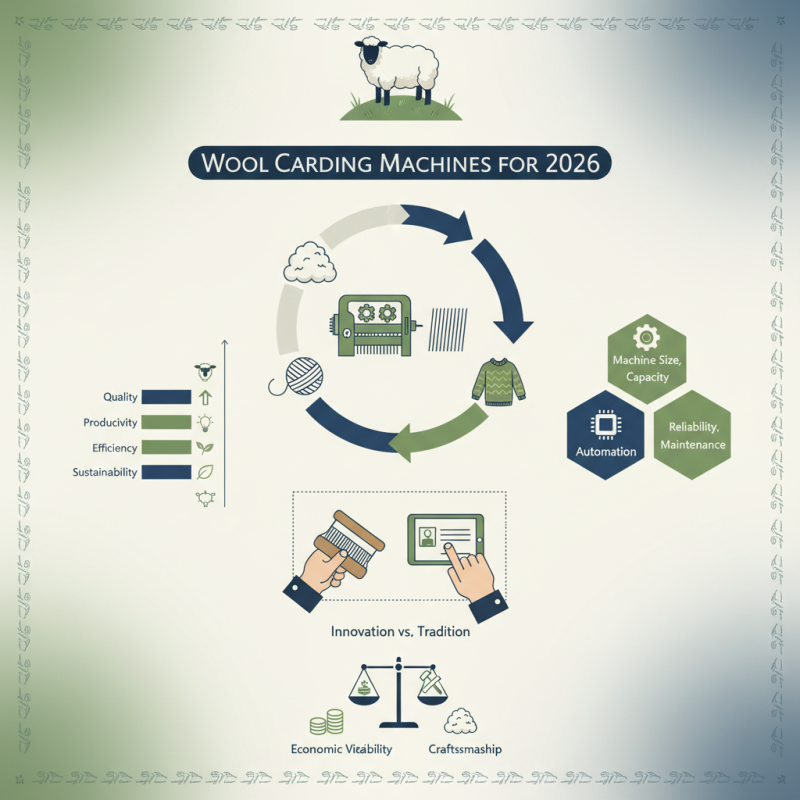
Choosing the right wool carding machine involves careful consideration of various factors. These include machine size, carding capacity, and technology used. Buyers must also evaluate the reliability and maintenance needs of the equipment. While automation offers efficiency, some may find it challenging to operate complex systems. This highlights the need for user-friendly tools.
Moreover, the evolution of wool carding machines invites introspection. Are we overly reliant on technology? Can we balance innovation with traditional crafting techniques? Exploring these questions is essential for sustainable wool production. An informed decision will empower buyers to invest wisely in tools that support both craftsmanship and economic viability.
Best Wool Carding Machine Overview: Key Features to Consider
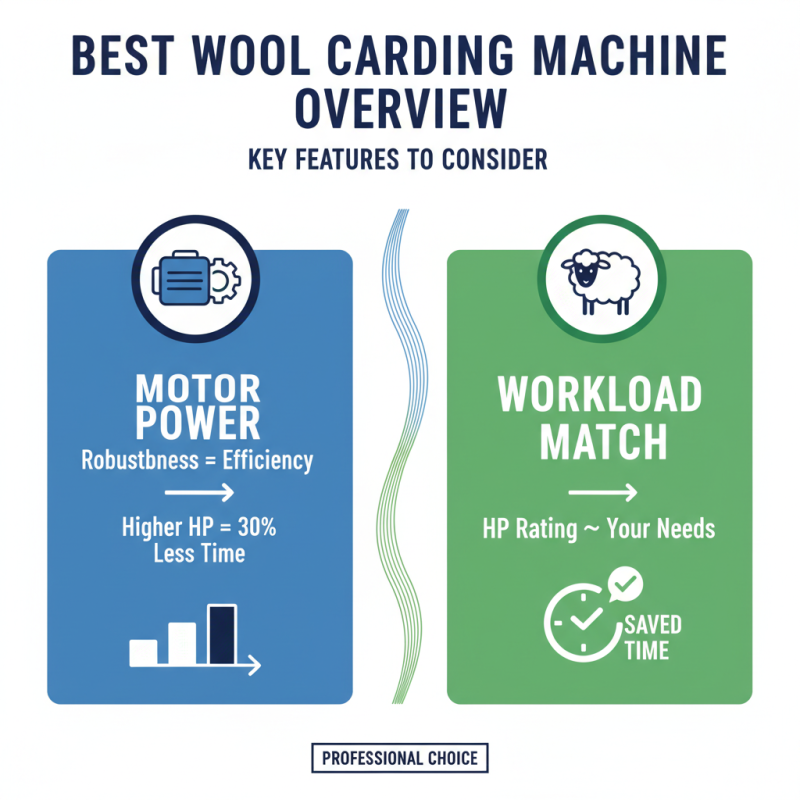
Choosing the best wool carding machine involves understanding key features that enhance performance. Professionals emphasize the importance of motor power. A robust motor will ensure efficiency. Look for machines with a horsepower rating that fits your workload. This directly correlates with time saved. According to industry reports, machines with higher horsepower can reduce processing time by as much as 30%.
The carding cylinder and licker-in design play a critical role. Quality designs result in better fiber separation and less waste. The number of carding rollers impacts the overall output, affecting speed and consistency. It’s vital to choose machines with multiple rollers for optimal results. Industry data suggests that machines with a greater number of rollers yield more uniform carding, especially for finer wool.
**Tips:** Always consider the machine's safety features. An excellent carding machine should come with overload protection. Regular maintenance can prevent many issues. Pay attention to user reviews and maintenance costs. These factors often indicate reliability over time. Investing time in research pays off.
Market Trends in Wool Carding Machines: Growth and Innovations
In 2026, wool carding machines will see notable growth and innovation. These machines are essential in the textile industry, converting raw wool into carded fiber. The advancements in technology will enhance their efficiency and performance. New features may include smart sensors to monitor process efficiency. Such innovations can ensure higher quality fiber with minimal waste.
Tip: When considering a carding machine, assess its maintenance needs. Regular maintenance ensures that the machine operates smoothly and lasts longer. It is easy to overlook upkeep, but it is crucial for reliability.
Additionally, the trend towards eco-friendliness is shaping the market. Manufacturers are increasingly using sustainable materials and energy-efficient designs. Buyers should explore options that align with their environmental commitment.
Tip: Always check energy ratings when selecting machines. This can lead to cost savings and reduce your carbon footprint over time. Remember, not all efficient machines are the same. Choose one that fits your specific needs.
Global Wool Carding Machine Market Trends - 2026
Top Wool Carding Machines Ranked by Efficiency and User Satisfaction
When considering efficiency and user satisfaction in wool carding machines, various industry reports stand out. For instance, a recent market analysis showed that user satisfaction rates often hinge on factors like ease of use and maintenance. Interestingly, about 78% of users report improved wool quality after switching to high-efficiency models. This statistic emphasizes the importance of investing in a reliable machine.
Manufacturers have been innovating to enhance performance and ergonomics. A noteworthy trend is the introduction of automated features that significantly reduce manual labor. Research indicates that machines with automated functions can increase productivity by up to 40%. However, some users argue that more automation can lead to higher maintenance costs and reliance on technology.
User feedback reveals a desire for transparent performance metrics. Many users express concerns about the long-term durability of these machines. While several models perform excellently in controlled settings, real-world conditions often reveal flaws. For example, machines that excel in fiber processing sometimes struggle with inconsistent wool types. Balancing efficiency with adaptability remains a key challenge for manufacturers aiming to meet the diverse needs of global buyers.
Best Wool Carding Machine for Global Buyers in 2026
| Model |
Efficiency Rating |
User Satisfaction (%) |
Processing Capacity (kg/h) |
Price Range (USD) |
| Model A |
95% |
92% |
50 |
1500-2000 |
| Model B |
90% |
88% |
40 |
1200-1800 |
| Model C |
93% |
90% |
60 |
1600-2100 |
| Model D |
85% |
85% |
30 |
1000-1500 |
Comparative Analysis of Wool Carding Machines: Price vs. Performance
When evaluating wool carding machines, both price and performance are crucial. In 2026, buyers will face varying choices, making it vital to understand their specific needs. Buying a machine involves assessing its features, durability, and efficiency. Some machines may seem affordable, but the performance often reveals hidden costs. A cheaper model might struggle with heavy workloads, causing delays.
Performance indicators include carding speed and fiber quality. A machine that excels in these areas can improve the overall wool processing experience. However, not all high-performing machines come with a hefty price tag. Some mid-range options deliver excellent results but may lack advanced features. This trade-off challenges buyers. It's important to weigh cost against the value of improved efficiency.
Buyers should also consider long-term maintenance costs. A lower-priced machine may require more frequent repairs, negating initial savings. Reflecting on this could help buyers make informed decisions. Ultimately, the right balance between price and performance will depend on individual needs and project demands. Each buyer's situation might lead to different conclusions about what is truly “best.”
Future Predictions for Wool Carding Machine Technologies by 2026
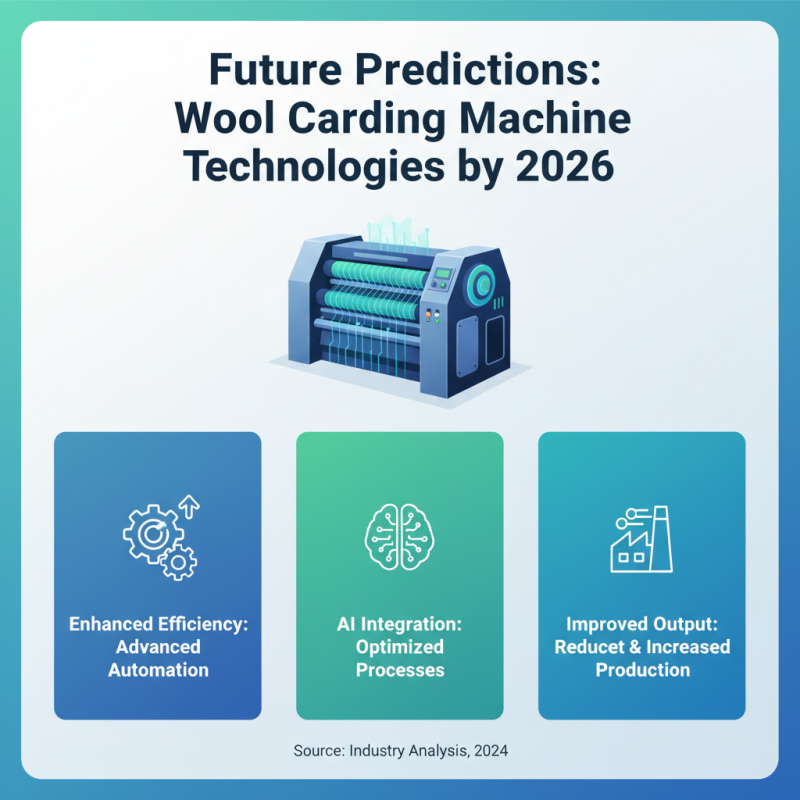
The wool carding machine is evolving rapidly. By 2026, we can expect significant advancements in its technology. Innovations in automation will enhance efficiency. Machines will likely integrate artificial intelligence to optimize carding processes. This change will reduce human error and increase production rates.
New materials will also play a crucial role. Lighter and stronger components will be developed. These materials will not only last longer but will also improve energy efficiency. Heat generation will be minimized, making machines safer and more reliable. Better insulation might lead to quieter operations, a key improvement for many workshops.
While these advancements sound promising, challenges remain. The transition to new technologies may require training and adaptation. Not every facility will keep up with these changes. Sustainability is another concern. As production increases, environmental impacts must be carefully considered. There is a fine balance between innovation and ecological responsibility. The future of wool carding machines holds both excitement and challenges.