
Who Is the Best Zinc Die Casting Manufacturer in China?

Choosing the best Zinc Die Casting manufacturer in China takes more than comparing prices or polished factory photos. A reliable partner should explain alloy selection, die design, dimensional tolerances, surface finish, and inspection methods in clear terms. Ask how the supplier controls porosity, flash, and cycle consistency. Request sample parts, material documentation, and inspection records. Small details matter: a clean parting line, stable thread dimensions, and repeatable measurements across production batches.

Zinc-industry metallurgist Frank Goodwin has written extensively about zinc’s industrial uses. A fair paraphrase of his technical perspective is: “The value of zinc depends on choosing the right material and controlling how it is processed.” This is not a verified verbatim quotation. It reflects a useful principle for evaluating manufacturers: sound process knowledge should support every production claim.

The strongest supplier is not automatically the largest or cheapest. It is the one that can connect your drawing to a workable process, then show evidence that the process performs consistently. Look for engineering support, traceable quality checks, transparent lead times, and clear answers when a trial part falls short. Ask to review the tooling plan before approving production. Then compare the finished sample against your actual requirements, not just a sales presentation. Some details may still be unclear after the first review. That is normal. Raise them early, document decisions, and judge the manufacturer by how carefully it responds.
Who Is the Best Zinc Die Casting Manufacturer in China?

What Zinc Die Casting Is and How the Process Works

Zinc die casting forms metal parts by injecting molten zinc alloy into a hardened steel die under pressure. The alloy melts at a relatively low temperature, so production cycles can be quick. Thin walls are possible. Fine details can emerge. A small hinge housing, for example, may include ribs, screw bosses, and a textured face in one casting. Results depend on the alloy, tooling, and process control.

The machine closes the die, then pushes molten metal through a shot sleeve and into the cavity. Pressure helps fill narrow sections before the metal solidifies. Cooling time matters. Too little can leave weak or distorted areas; too much can slow production. Once solid, the casting is ejected, trimmed, and inspected for dimensions, surface defects, and porosity. Some parts need machining or plating afterward.

Design decisions start early. Wall thickness should remain reasonably even, while sharp corners often benefit from small radii. Draft angles help the part release from the die. Real tooling may still reveal surprises; a drawing can seem complete, yet a thin rib may fill poorly during production. Trial runs and measured adjustments help identify these issues. They are not glamorous, but they can prevent avoidable rework.

How China’s Zinc Die Casting Industry Serves Global Markets

China’s zinc die casting industry serves global markets through flexible production, established supplier networks, and experience with varied component needs. Zinc alloys fill fine details well, making them useful for small housings, handles, connectors, and decorative hardware. A typical part may leave the die with crisp edges and a smooth surface, ready for trimming, machining, plating, or painting. Small details matter.

Export work often begins with engineering review. Manufacturers assess wall thickness, draft angles, tolerances, and expected production volumes before tooling starts. Good communication at this stage can prevent costly revisions later. Buyers should request material specifications, dimensional inspection records, and samples made with production tooling. These checks reveal more than a polished quotation does. Still, documentation quality can vary, and a factory’s stated capability is not proof of consistent output.

International orders also depend on packaging, shipment planning, and clear technical files. Parts may travel across long distances and pass through several handling stages, so protective packaging helps limit scratches and deformation. Suppliers with export experience can clarify lead times and coordinate inspection points, but buyers should confirm each detail in writing. There is a trade-off: zinc die casting can deliver intricate shapes efficiently, yet not every design suits the process. Sometimes a simple redesign saves more than a faster production schedule.

What Capabilities Distinguish Leading Zinc Die Casting Manufacturers

Who Is the Best Zinc Die Casting Manufacturer in China?

A capable zinc die casting manufacturer is defined less by a polished brochure than by repeatable shop-floor control. In a plant visit, ask how operators monitor melt temperature, injection pressure, and cycle time across shifts. Zinc alloys can fill intricate cavities, but thin ribs and uneven wall thickness still require careful tool design. Look for engineers who review draft angles, gate locations, and parting lines before tooling begins. Small details matter.

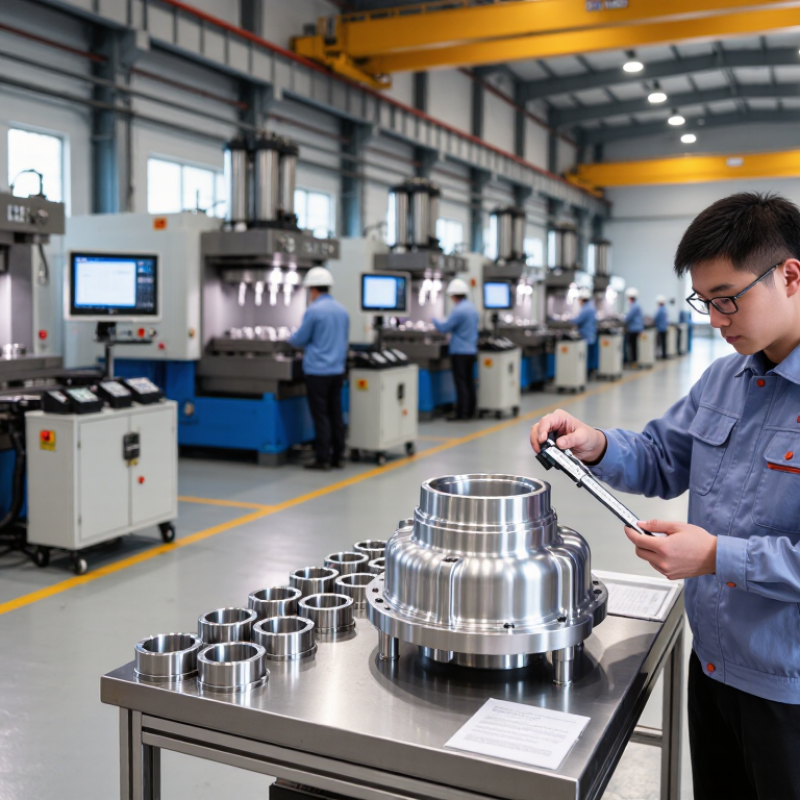
Leading manufacturers connect casting with trimming, machining, surface finishing, and inspection. Ask to see how they measure critical dimensions, such as a threaded hole or a narrow sealing face. Calipers may suit simple checks; complex features can require gauges or coordinate measurement. A reliable supplier should explain its sampling plan and show records linking inspection results to production batches. Clear evidence beats confident claims.

Pilot runs reveal what a capability statement cannot. Review sample parts for flash, surface marks, and fit in the actual assembly, then discuss corrective actions with the engineering team. Ask how tool maintenance and production changes are documented. Not every defect appears immediately. That is worth remembering. A manufacturer may have modern equipment yet struggle with communication or consistent shift-to-shift results, so evaluate both the parts and the process behind them.

Who Is the Best Zinc Die Casting Manufacturer in China? — What Capabilities Distinguish Leading Zinc Die Casting Manufacturers

Capability dimension What a capable manufacturer should demonstrate Evidence to request Why it matters
Alloy selection Can explain the trade-offs among commonly used zinc die-casting alloys, such as Zamak 2, Zamak 3, and Zamak 5, and recommend an alloy based on strength, ductility, corrosion exposure, and finishing needs. Alloy specification, material certificates, and a documented rationale for the proposed grade. The alloy affects mechanical performance, castability, and suitability for the part’s operating environment.
Tool and part design Reviews wall thickness, ribs, draft, parting lines, gates, vents, and ejection before tooling is released; identifies features that may cause filling or removal problems. Design-for-manufacturing feedback, tool layout, and agreed revisions to the part drawing. Early design review can reduce tooling changes and improve repeatability.
Tooling engineering Plans the die around part geometry, expected production volume, cooling, maintenance, and the customer’s ownership and storage requirements. Tooling scope, trial plan, maintenance schedule, and written terms for tool ownership and access. Tool condition and maintenance have a direct influence on production consistency and tool life.
Machine and process fit Selects die-casting equipment to suit projected shot size, projected area, die dimensions, and production requirements rather than relying on machine tonnage alone. Equipment list, machine-to-tool compatibility review, and process parameters from a production trial. Appropriate equipment and controlled settings help maintain stable filling and part quality.
Dimensional control Measures critical features against the approved drawing and agrees on tolerances based on part geometry, tooling, and the inspection method. Inspection plan, calibrated measuring equipment records, and sample dimensional reports. There is no single tolerance that suits every zinc casting; requirements should be specified and verified feature by feature.
Defect prevention Monitors relevant casting defects, including porosity, cold shuts, flash, and surface imperfections, and uses documented controls and corrective actions. Control plan, defect records, agreed acceptance criteria, and corrective-action examples. Defect limits depend on the part’s function and inspection method, so acceptance criteria should be agreed before production.
Secondary operations Can coordinate trimming, machining, deburring, finishing, and assembly to the drawing and agreed appearance requirements. Process flow, finishing specifications, sample parts, and inspection records for completed operations. Integrated operations can simplify supplier coordination, but each finish and critical feature still needs verification.
Quality management Maintains controlled procedures for incoming materials, production inspection, nonconforming product, traceability, and corrective action. Relevant certifications may include ISO 9001; automotive programs may require IATF 16949. Current certificates with scope and issuing-body details, plus records showing how the system is applied to the product. A certificate is useful evidence of a management system, but it does not by itself prove that a specific part will meet its requirements.
Capacity and delivery Provides a production plan that accounts for tooling trials, approved samples, regular capacity, maintenance, and contingency planning. Lead-time assumptions, capacity plan, production schedule, and escalation process for supply interruptions. A realistic plan is more useful than an unsupported capacity or delivery promise.
Supplier assessment Supports a technical review, sample approval, and an audit or remote assessment appropriate to the product’s risk and production volume. Completed assessment findings, sample approval records, and documented actions for any open issues. The best choice is the manufacturer whose verified capabilities match the part’s technical, quality, and supply requirements.

How to Evaluate Quality, Cost, and Production Capacity

A capable zinc die casting manufacturer should prove process control, not just show polished samples. Ask for alloy certificates, dimensional inspection records, and recent capability data for critical features. Check whether measurements cover the first-off part and later production batches. Small details matter. For zinc alloys, request compliance with the relevant ASTM B86 requirements and review the supplier’s inspection plan. A certificate alone cannot show how consistently a thin wall or threaded boss is produced.

Cost needs a like-for-like comparison. Separate tooling charges from the part price, then include machining, finishing, packaging, freight, and expected scrap. The U.S. Geological Survey’s Mineral Commodity Summaries 2025 estimates global zinc mine output at about 12 million metric tons in 2024. This is useful supply context, not a measure of casting capacity. Be careful not to confuse raw-material availability with a factory’s ability to deliver. Ask how alloy price changes are passed through and whether rejected parts are included in the quoted yield.

Production capacity should be checked against actual schedules. Request machine-tonnage ranges, available shifts, monthly output by part family, and a recent on-time delivery record. Then compare those figures with your forecast and peak demand. A site visit can reveal practical constraints, such as shared machines or crowded work-in-progress areas. I would still treat a spreadsheet capacity claim cautiously; it may assume ideal uptime. A pilot run, with agreed acceptance limits, is a more useful test of quality and throughput.

How to Select a Manufacturer for a Specific Project

Who Is the Best Zinc Die Casting Manufacturer in China?
How to Select a Manufacturer for a Specific Project

The best zinc die casting manufacturer depends on your part, production volume, and quality requirements. Start with a clear drawing that shows dimensions, tolerances, alloy, surface finish, and expected annual quantity. Include details such as a thin wall, threaded hole, or visible cosmetic face. These features can affect tooling, casting stability, and price. Ask how the supplier will manage them. A useful response should identify risks, not just confirm that the part is possible.

Request a review of similar components, inspection records, and the proposed production route. Check whether the supplier can support tooling, die casting, trimming, machining, and finishing under suitable controls. Compare quotations line by line, including tooling scope, sample timing, inspection methods, and packaging. Ask how defects are recorded and how corrective actions are verified. If possible, review sample parts under the same lighting and measurement conditions. Small details count. A polished sample alone cannot prove consistent production, and this is easy to overlook.

Tips: Send the same project information to each candidate. Ask for a first-article inspection report and clarify who owns the tooling. Pay attention to specific questions, not confident promises.

Go to Top
Translate »