Why Choose an Industrial Fabric Laser Cutting Machine for Your Business?
Choosing the right equipment is crucial in today’s competitive market. An industrial fabric laser cutting machine offers precision and efficiency that traditional methods cannot match. According to Dr. Emily Carter, a leading expert in textile engineering, “Investing in laser technology revolutionizes how we approach fabric processing.” Her insights highlight the value of innovation in manufacturing.
Laser cutting technology streamlines operations. It allows for intricate designs and reduces waste. Many businesses have reported significant improvements in productivity and product quality. However, the initial investment can be daunting. It’s essential to weigh the long-term benefits against the upfront costs.
Not all laser cutting machines deliver the same results. Some companies may struggle with finding the right model or supplier. Understanding your specific needs is key to maximizing performance. Research is vital in navigating this complex market. An industrial fabric laser cutting machine can be a game-changer, but it requires careful consideration.
Advantages of Industrial Fabric Laser Cutting Machines for Businesses
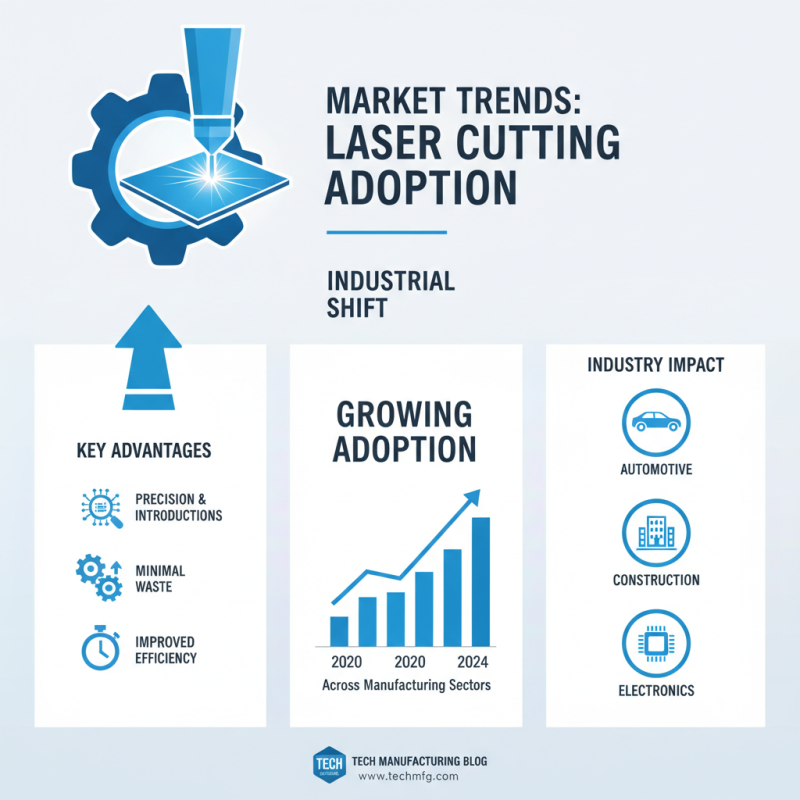
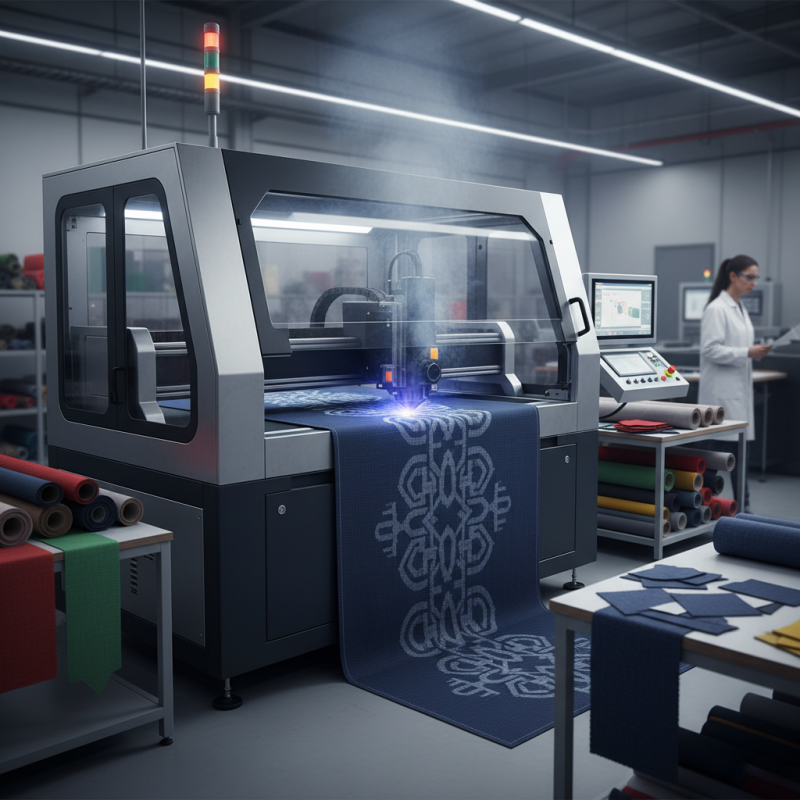
Industrial fabric laser cutting machines are increasingly popular in various sectors, thanks to their numerous advantages. According to a report by MarketsandMarkets, the global laser cutting machine market is expected to reach over $5 billion by 2026. This growth is fueled by the machines' precision and speed, which significantly enhances productivity. Manufacturers can achieve intricate designs with minimal material waste, making operations more efficient.
One of the stand-out features of these machines is their versatility. They can cut through various fabrics, including cotton, polyester, and nylon, without fraying edges. A study by ResearchAndMarkets highlights that this capability reduces finishing times and costs, optimizing the production line. However, the adoption of laser cutting technology may present challenges. Initial investment costs can be high, which could deter small businesses. Plus, operators need specific training to maximize machine use.
Despite these challenges, the benefits often outweigh the drawbacks. Companies using laser cutting technology report a 30% improvement in cutting accuracy and a reduction in labor costs. This can lead to a quicker return on investment. As industries evolve, embracing advanced technology like laser cutting machines will be crucial for staying competitive in the market.
Advantages of Industrial Fabric Laser Cutting Machines for Businesses
Cost Efficiency: Reducing Material Waste with Precision Cutting
Industrial fabric laser cutting machines are transforming the textile industry. One of the most compelling reasons to invest in this technology is its cost efficiency. Studies indicate that traditional cutting methods can result in up to 20% material waste. In contrast, laser cutting technology boasts a precision that reduces waste to as little as 5%. This precision not only saves money but also promotes sustainable practices within businesses.
The initial investment in laser cutting equipment may be higher. However, the long-term savings due to reduced material costs and labor efficiency often balance this out quickly. An industry report from the Fabricators & Manufacturers Association highlights that companies utilizing laser cutting machines can increase production speed by over 30%. This increase allows businesses to respond faster to market demand, improving profitability.
Tip: Regular maintenance of laser cutting machines is essential. Small issues can lead to larger problems and increased waste. Monitoring settings and ensuring optimal performance keeps precision high. Additionally, investing in staff training can maximize the machine's capabilities, leading to better outcomes and less material discarded.
Enhanced Design Flexibility in Textile Manufacturing
In today's competitive textile industry, design flexibility is crucial. An industrial fabric laser cutting machine offers unprecedented customization options. Businesses can create intricate designs quickly, adapting to evolving trends with ease. This technology allows for diverse patterns that were once challenging to achieve. It's about transforming ideas into tangible products effortlessly.
With laser precision, each cut enhances the overall quality of the fabric. The machine can handle various materials, from delicate silks to sturdy denim. This versatility supports a wide range of applications, from fashion to home textiles. However, businesses must remain vigilant about the learning curve associated with new technology. Investing in training is vital to maximize the benefits.
Still, the challenges of integrating such machines need addressing. Setting up the right workflow can be complex. Not every design translates perfectly at first. Iteration is part of the process, requiring patience and adaptability. Embracing these imperfections can lead to groundbreaking results, where creativity meets technology seamlessly. Taking the leap means committing to continuous improvement and innovation.
Increased Production Speed and Automation in Fabric Cutting
The fabric cutting industry is seeing a remarkable shift. Automation is becoming a key player in enhancing production speed. Recent studies indicate that companies employing laser cutting technology can experience a 30-50% increase in productivity. This rise is attributed to the efficient, precise nature of laser cutting systems.
Laser cutting provides a significant advantage over traditional methods. Workers spend less time on manual processes. They can focus instead on design and quality control. In fact, a report by the Fabricators and Manufacturers Association highlights that automating fabric cutting reduces operational costs by up to 40%. This reduction is essential for staying competitive in today’s fast-paced market.
However, transitioning to laser cutting technology is not without its challenges. Companies may face initial costs and the need for training. Moreover, maintaining laser equipment requires specialized knowledge. Understanding these factors is crucial for a successful implementation. Adopting this technology necessitates careful planning and consideration, despite its benefits.