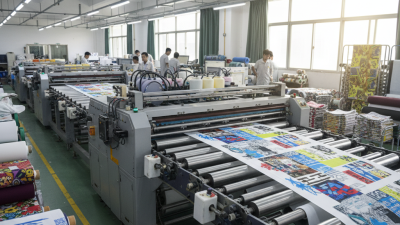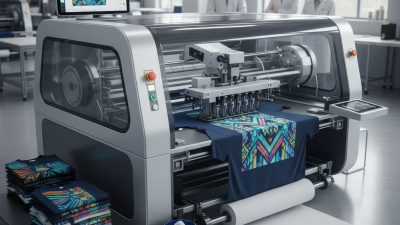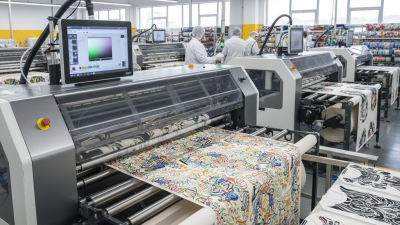
Choosing a digital garment printing machine in 2026 means matching equipment to the work you actually plan to produce. A busy custom shop has different needs from a small studio printing occasional samples. Start with the garments, not the machine’s headline speed. Cotton, polyester, blends, and dark fabrics can require different print methods, pretreatment, or curing steps. Ask suppliers to print on your own garments. Check fine lettering, color gradients, edge detail, and the feel of the finished print. Then follow the recommended wash-care test. A showroom sample is not enough.
Compare usable output per shift, not just the fastest stated speed. Ask how setup, cleaning, ink changes, and routine maintenance affect daily production. Review software compatibility, operator training, warranty terms, and access to replacement parts. Calculate the full cost of ownership, including inks, pretreatment, curing equipment, and downtime. Small details matter. A low purchase price may not stay low. Request a live demonstration using a job similar to yours, and ask for clear answers about fabric limitations and service response times. If a claim sounds broad, verify it in writing. Even a careful checklist can miss something; production needs change, and no machine is ideal for every shop. Use this guide to compare options by print quality, workflow, support, and realistic operating costs before making a confident choice.
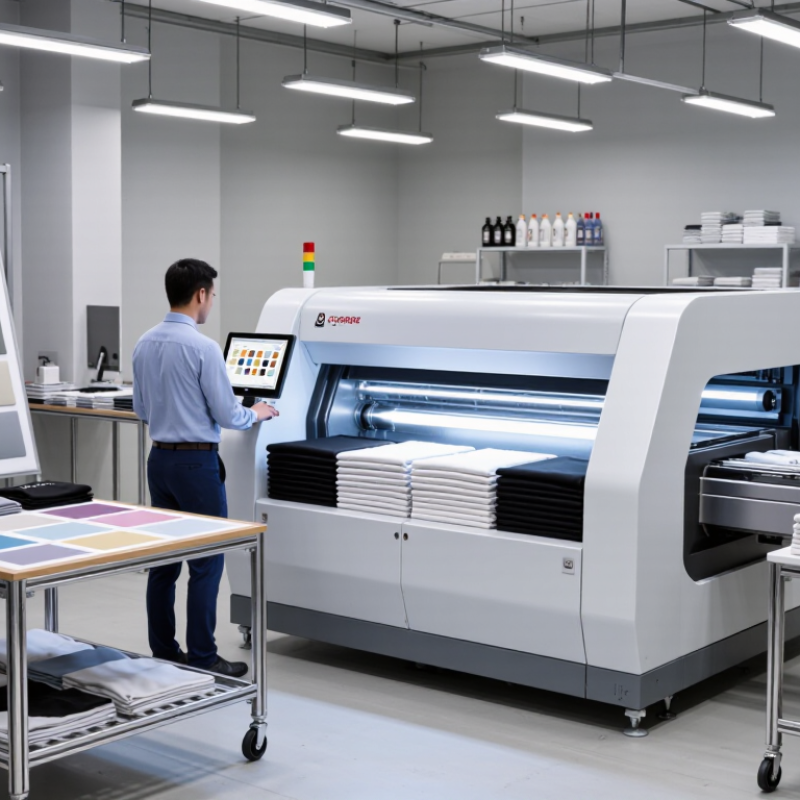
Before comparing a digital garment printing machine, define what you actually need to produce. Record your weekly order volume, garment types, print sizes, colors, and delivery promises. A small studio making ten custom shirts daily needs a different workflow from a factory printing hundreds. Measure real demand, not ideal demand. Check whether customers prefer cotton, polyester, blends, or dark garments. Each fabric changes pretreatment, ink behavior, drying time, and wash durability. Ask operators to print sample files and inspect fine lines, gradients, white coverage, and fabric feel. Details matter.
Your production goal should include speed, consistency, labor, and acceptable waste. Estimate the complete cycle, including file preparation, loading, printing, curing, cleaning, and quality checks. A machine may print quickly yet slow the room if curing becomes a bottleneck. Calculate output during your busiest realistic week. Do not rely only on advertised maximum speed. Review training requirements and daily maintenance tasks before deciding. Ask how often printheads need cleaning, how much space the equipment requires, and whether your power supply is suitable. These questions often reveal hidden costs.
Set a measurable target, such as 80 finished garments per shift with fewer than three rejected pieces. Then compare equipment against that target. Keep records from trial runs, including setup time, ink use, rejected garments, and color adjustments. My own planning mistake was underestimating cleaning time. That error affected delivery schedules more than print speed. Leave room for learning and seasonal demand. Trial data should guide the purchase.
Choosing a digital garment printer starts with the fabric and production workflow, not the advertised speed. Direct-to-garment (DTG) systems print water-based pigment inks onto prepared garments, especially cotton, with soft hand feel and detailed graphics. Direct-to-film (DTF) prints pigment ink onto film, then transfers the image using adhesive powder and heat. It suits mixed fabrics, but adds transfer steps and can feel heavier. Sublimation uses disperse dyes that bond with polyester fibers; it is a poor match for dark cotton. Different chemistry, different result.
Ink choice affects pretreatment, color, wash performance, and maintenance. For cotton DTG, confirm the printer’s recommended pretreatment and curing process; small changes can affect wash durability. For polyester sublimation, check fabric color and fiber content, since the dye does not create an opaque white layer. Grand View Research estimated the global digital textile printing market at USD 2.7 billion in 2023, with a projected 12.2% compound annual growth rate from 2024 to 2030. That signals market growth, not guaranteed profit for every shop. A busy sample table can still hide costly rework.
Tips: Test the exact garment, ink, and curing settings before buying. Compare wash tests, setup time, consumable costs, and print feel—not just top speed. Ask for a production sample. Then inspect it under daylight and after repeated washing. Real fabric can be stubborn.
Print quality should be judged on the fabric you plan to sell, not a glossy sample on a showroom table. Print a small test image with fine text, skin tones, and solid color blocks. Check whether edges stay sharp and dark areas look even. Small details matter.
Fabric compatibility changes both appearance and workflow. Cotton, polyester, and stretch blends absorb ink differently, so ask for tests on your actual materials. Look closely at seams, folds, and a stretched section. Does the image crack or lose color? A wash test can reveal issues that a fresh print hides. It is not a perfect durability test, but it is more useful than guessing from a specification sheet.
Machine speed needs the same practical check. Compare output using your intended fabric, print size, and image coverage; advertised speeds may assume simpler jobs. Watch a full run, including loading, curing, and routine pauses. A machine that prints quickly but needs frequent adjustment may slow a small team down. No shortcut here. Ask for timed samples and note the settings used. Real production rarely matches ideal conditions exactly, and that gap deserves attention.
Choosing a digital garment printing machine in 2026 means looking beyond its purchase price. Include delivery, installation, training, ventilation, and any workspace changes in your initial budget. Ask suppliers for written estimates and clarify what the warranty covers. A low entry price can hide costly setup needs.
Estimate operating costs per printed garment. Add ink, pretreatment fluid, cleaning supplies, power, and labor, then include packaging if it is part of your workflow. For example, if consumables cost $0.70 per shirt and labor and energy add $0.40, the direct cost is $1.10 before overhead. Use your own quotes; prices vary. Small costs matter.
Maintenance affects both spending and production time. Check the recommended cleaning schedule, printhead replacement terms, and service response times before buying. Record routine tasks and parts in a monthly budget, even when replacement dates are uncertain. Then estimate annual expenses at your expected output, and model a slower-sales scenario too. A spreadsheet is useful, but its assumptions can still be wrong. Revisit them after several months of real production, especially if ink use or downtime differs from estimates.
| Cost or planning factor | Typical planning range (USD) | Timing or unit | What to include in your estimate |
|---|---|---|---|
| Equipment and setup | |||
| Entry-level direct-to-garment (DTG) printer | $15,000–$35,000 | One-time purchase | Suitable for lower-volume work; check whether pretreatment equipment, software, installation, and training are included. |
| Production-oriented DTG system | $35,000–$100,000+ | One-time purchase | Higher-capacity configurations may include multiple print stations or automated handling. Confirm rated throughput under your intended print conditions. |
| Direct-to-film (DTF) printer and curing equipment | $15,000–$60,000 | One-time purchase | Budget for the printer, powder application and curing equipment, ventilation, and any required finishing tools; package contents vary. |
| DTG pretreatment applicator or spray equipment | $1,000–$6,000 | One-time purchase | May be optional for very small operations, but consistent pretreatment is important for many white-ink DTG jobs. |
| Installation, training, and initial setup | $500–$5,000 | One-time or included | Ask whether delivery, setup, color workflow configuration, operator training, and initial supplies are covered in the purchase price. |
| Recurring maintenance and operating expenses | |||
| Routine maintenance and service reserve | Plan around 5%–10% of purchase price per year | Annual planning allowance | A budgeting rule of thumb, not a guaranteed service cost. Actual spending depends on usage, cleaning discipline, service coverage, and replacement parts. |
| Cleaning supplies and routine consumables | $50–$300 | Per month | Estimate cleaning solution, wipes, swabs, filters, and other items based on the machine’s maintenance schedule and production volume. |
| DTG ink | $0.50–$2.50 | Per printed garment | Approximate range for ink only; artwork coverage, garment color, white-ink usage, and pretreatment requirements can change the cost significantly. |
| DTG pretreatment liquid | $0.10–$0.50 | Per treated garment | Varies with garment size, application method, fabric, and the amount applied. |
| DTF ink, film, and adhesive powder | $0.50–$1.50 | Per transfer | Approximate materials range; transfer size, ink coverage, film waste, and powder handling affect the cost. |
| Electricity for printing and curing | $0.01–$0.10 | Per garment; illustrative estimate | Depends on equipment power draw, print and cure time, and local electricity rates. For comparison, this estimate assumes about $0.12 per kWh. |
| RIP or production software | $0–$150 | Per month | Some systems include basic software; advanced features, updates, or support may require a recurring license. |
| Replacement parts and unscheduled repairs | Set aside an additional contingency | Annual budget | Printheads, pumps, dampers, belts, and other parts have model-specific prices and service intervals. Request a parts list and service quote before buying. |
| Decision checks before purchase | |||
| Cost per saleable garment | Calculate for your own artwork and volume | Per garment | Add ink or transfer materials, pretreatment, energy, labor, spoilage, maintenance allocation, and packaging. Exclude or separately include the blank garment, but use the same method when comparing machines. |
| Production capacity | Verify with a timed sample run | Garments per hour | Use your typical design, garment size, color, and curing process. Advertised maximum speed may not represent finished, saleable output. |
| Facility requirements | Confirm before ordering | One-time assessment | Check electrical supply, ventilation, workspace, humidity and temperature conditions, network access, and any local safety requirements. |
Planning note: These are broad illustrative USD ranges for budgeting, not quotations. Actual 2026 prices and running costs vary by configuration, region, production volume, service terms, garment, and print design. Request an itemized quote and calculate costs using your own production tests.
How to Choose a Digital Garment Printing Machine in 2026?
A capable printer is only as useful as the software controlling it. Check whether the RIP software supports your artwork formats, color profiles, and daily production workflow. Ask to see a real job prepared and printed, not just a polished demo. Test it live. Look for clear tools for adjusting ink limits and matching repeat orders. Software that feels confusing during a short trial may slow operators down later.
Support matters when a nozzle check fails before a delivery deadline. Ask what training is included, how quickly technical staff typically respond, and whether troubleshooting is available remotely. Get the answers in writing. Also inspect safety features in person: guards, emergency stops, and clear ventilation guidance should be easy to locate and understand. A tidy showroom is not the same as a safe work area. I would still verify the machine’s maintenance instructions with the people who will clean and operate it.
Plan for the work you expect to take on, while leaving room for change. Check whether the workflow can handle additional garments, longer shifts, or new file-management needs without requiring a complete reset. Ask about upgrade options, consumable availability, and routine service intervals. A simple capacity spreadsheet can expose bottlenecks, though it cannot predict every busy season. Consider the space around the printer, too: operators need room for garment loading, cleaning, and safe movement.
Compare the factors that matter for day-to-day production and long-term investment.
Example checklist scores on a 1–5 scale, not market survey results. Score shortlisted machines against your own workflow, safety requirements, service needs, and growth plans.