Top Tips for Choosing a Wool Carding Machine for Your Business?
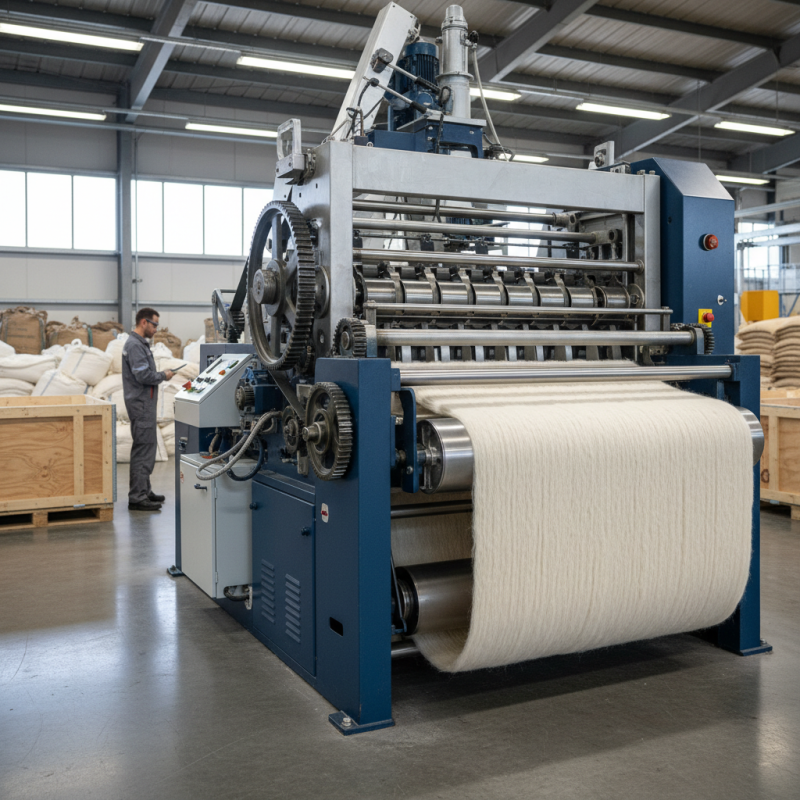
Choosing the right wool carding machine can significantly impact your business. The quality, efficiency, and durability of your equipment are vital. A suitable machine will not only enhance productivity but also improve the final product quality.
When selecting a wool carding machine, consider the specific needs of your operation. Different models offer varied features and capabilities. This decision can be daunting, especially with so many options available. It’s essential to assess both your current and future requirements.
Investing in a wool carding machine requires careful thought. Some machines may promise high output but can be complicated to operate. Always prioritize reliable manufacturers. Understanding the technical specifications can also help in making an informed choice. Remember, the perfect machine for one business may not be ideal for another. This is a complex choice that deserves your attention.
Understanding the Basics of Wool Carding Machines
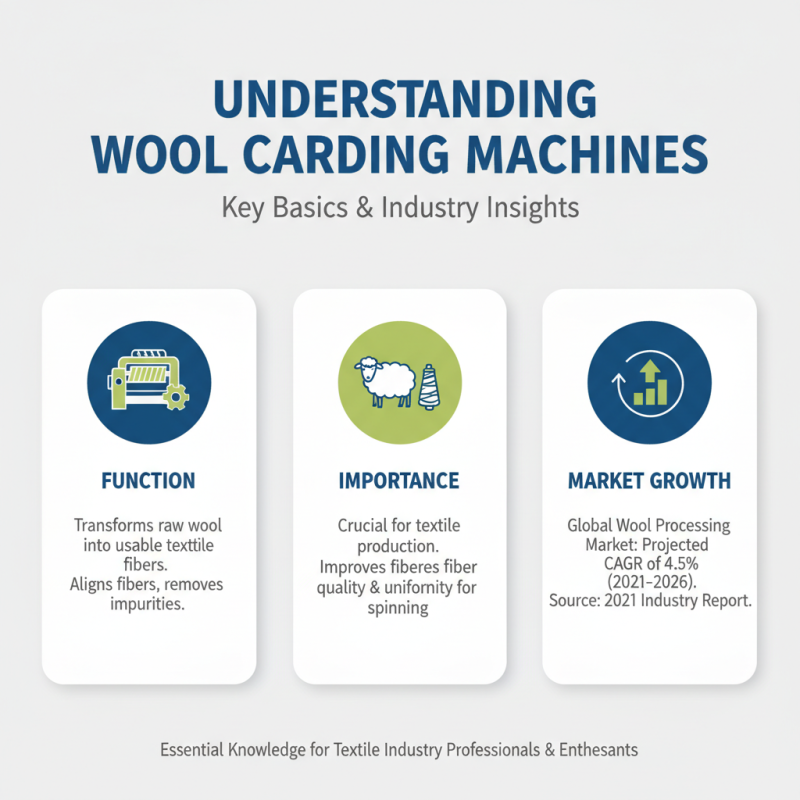
When selecting a wool carding machine, understanding the basics is crucial. Wool carding machines play a significant role in the textile industry. They help transform raw wool into usable fibers. According to a 2021 industry report, the global wool processing market is projected to grow at a CAGR of 4.5% over the next few years.
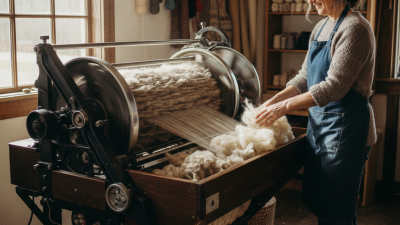
A carding machine processes wool by loosening and separating fibers. The machine prepares the wool for spinning, ensuring consistent quality. Typically, machines come in various widths and speeds. The right choice depends on your production needs. Not all machines are suitable for every type of wool. For instance, fine wool requires specific settings for optimal results.
Choosing the wrong carding machine can lead to waste and poor quality. User reviews have indicated performance variations based on materials and operating conditions. Inexperienced operators may struggle with settings, impacting overall efficiency. Consequently, investing time in understanding machine specifications is essential. Pay attention to fiber types and your production goals. This knowledge is vital for selecting the right equipment.
Key Features to Consider When Selecting a Wool Carding Machine
When selecting a wool carding machine, several key features should guide your decision. Efficiency is crucial; look for machines that offer high-output rates. Faster carding prevents bottlenecks in production. Moreover, consider the machine's adaptability. Will it handle various wool types effectively? Flexibility can significantly impact your workflow.
The build quality of the machine also matters. A robust and well-constructed carder ensures longevity. Check for user-friendly controls. Simplicity in operation reduces training time for your staff. Additionally, noise level should not be overlooked. A quieter machine creates a better working environment.
Lastly, evaluate maintenance requirements. Machines that need frequent repairs can disrupt operations. Understanding the maintenance routine in advance is beneficial. Reflect on these aspects as you assess potential machines. They are essential for smooth business operations and enduring productivity.
Comparing Different Types of Wool Carding Machines for Business Needs
When selecting a wool carding machine, it’s crucial to consider the specific needs of your business. Different types of machines are available, catering to varying production scales and fiber types. Some machines are designed for smaller operations, while others can handle large-scale processing. Identifying your production volume will guide you toward the best choice.
Size and capacity matter. Compact machines are easier to move and store. However, they might not meet the demands of larger projects. Compare the features of each machine. Some offer adjustable settings for different wool types. Look for machines with reliable components. This ensures consistent performance over time, reducing the need for frequent repairs.
Noise levels can also affect your work environment. Some machines operate quietly, while others generate significant noise. Consider the long-term costs of maintaining a machine. Cheaper options may become expensive over time if they require more frequent repairs. Investing in a higher-quality machine now can save money later. It's essential to think about these details carefully before making a decision. Each choice comes with its benefits and limitations.
Comparison of Wool Carding Machine Features
Evaluating the Cost-Effectiveness of Wool Carding Machines
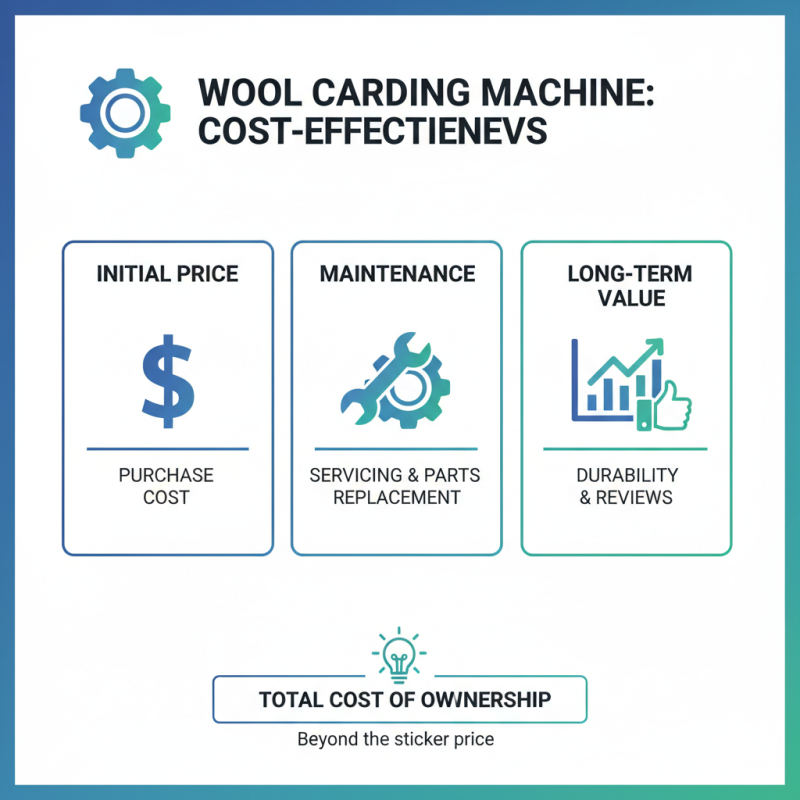
When evaluating the cost-effectiveness of wool carding machines, several factors come into play. Beyond the initial purchase price, consider maintenance costs. Regular servicing can add up. If parts frequently need replacement, this could impact your bottom line. Buyer reviews often reveal the longevity of a machine, giving insight into long-term expenses.
Another aspect is production efficiency. A high-output machine can reduce labor hours and increase productivity. Assess the volume of wool processed daily. Will the machine meet your business needs without excessive idling time? It’s vital to measure performance against the investment. Look for machines that balance speed and quality.
Lastly, think about energy consumption. Some machines may be less efficient, leading to higher electricity bills. This often gets overlooked but is crucial for overall profitability. It might be wise to compare energy ratings and operating costs. In the end, understanding what you truly require will guide your investment wisely.
Maintenance Tips for Ensuring Longevity of Your Carding Machine
Maintaining your wool carding machine is crucial for its longevity. Proper upkeep can prevent costly downtimes and enhance production efficiency. Research indicates that regular maintenance can extend machinery life by up to 30%. This fact emphasizes the need for a proactive approach in your operations.
Tip: Check the machine regularly for signs of wear. Small issues can escalate quickly. Inspect belts, rollers, and gears for damage. Replace worn parts immediately to avoid breakdowns that can disrupt your workflow. Routine lubrication of moving parts increases machine efficiency and minimizes heat generation.
Tip: Keep your workspace clean. Dust and wool fibers can accumulate, impacting machine performance. A clean environment not only boosts efficiency but also reduces the risk of fire hazards. According to industry reports, up to 15% of wool carding machine failures are linked to poor hygiene practices. Ignoring this can lead to significant impacts on productivity.
Remember, invested time in maintenance will pay off. It helps to build trust in your equipment. Regular maintenance routines foster a better understanding of your machinery. This awareness allows you to appreciate its performance, pushing you to refine your operational strategies.
Top Tips for Choosing a Wool Carding Machine for Your Business
| Tip |
Description |
Maintenance Frequency |
Estimated Cost |
| Choose the Right Size |
Select a machine that matches your production capacity needs. |
Before Purchase |
$200 - $500 |
| Assess the Motor Power |
Ensure the motor power suits the volume of wool you process. |
Monthly |
$150 - $300 |
| Check for Versatility |
Look for features allowing processing of various fiber types. |
As Needed |
$100 - $200 |
| Evaluate Ease of Use |
Find a user-friendly interface for your staff. |
Weekly |
$50 - $100 |
| Consider Build Quality |
Durability ensures longevity; select robust materials. |
Every 6 Months |
$300 - $600 |
| Regular Cleaning |
Keep the machine free of debris and dust to function optimally. |
Daily |
$0 - $10 |
| Lubrication of Parts |
Regularly lubricate moving parts to reduce wear and tear. |
Monthly |
$20 - $50 |