How to Choose the Best Textile Machinery for Your Business?
Choosing the right textile machinery is crucial for your business's success. The textile industry is competitive and constantly evolving. Selecting the best machinery can enhance productivity and quality. However, this decision is not straightforward.
Each type of textile machinery offers unique benefits and challenges. For instance, automated equipment increases efficiency but requires significant investment. Manual machines, on the other hand, are often more affordable, yet they demand skilled labor and time. You must evaluate your specific production needs and consider your budget.
Moreover, it's essential to choose machinery from reputable manufacturers. Look for companies with a track record of reliability and quality. Reviews and testimonials from other businesses can guide your decision. Reflecting on your requirements and researching options will lead to informed choices in your textile machinery selection.
Identifying Your Business Needs and Objectives for Textile Machinery
Identifying your business needs and objectives for textile machinery is crucial for success. Start by assessing your production volume. A small workshop needs different machinery than a large factory. Consider your product range too. If you make both fabrics and garments, you'll require diverse equipment.
Define your target market. High-quality textiles demand advanced technology, while basic textiles might need simpler machines. Analyze your current workflow. Identifying bottlenecks can reveal what machinery can improve efficiency. Take note of your budget. Investing in quality machinery pays off, but initial costs could be daunting.
Document specific requirements. Are you looking for energy efficiency? Or perhaps ease of use? It's important to align machinery features with your goals. Reflect on potential scalability. Will your machinery support growth over time? Balancing present needs with future aspirations ensures lasting benefits.
How to Choose the Best Textile Machinery for Your Business? - Identifying Your Business Needs and Objectives for Textile Machinery
| Criteria |
Description |
Examples of Machinery |
Considerations |
| Production Capacity |
The amount of output the machinery can produce over a specific time period. |
Weaving machines, knitting machines |
Assess current and future demand for your products. |
| Technology Level |
The extent to which the machinery incorporates advanced technology. |
Computerized knitting machines, automated cutting machines |
Consider integration with existing systems and ease of operation. |
| Maintenance Requirements |
How much upkeep and servicing the machinery will need. |
Sewing machines, embroidery machines |
Assess availability of spare parts and technician expertise. |
| Energy Efficiency |
The amount of energy consumed by the machinery during operation. |
Energy-efficient looms, low-energy dyeing machines |
Consider long-term operational costs versus initial investment. |
| Budget |
The financial limits for purchasing machinery. |
Various types of machines at different price points |
Look for financing options and total cost of ownership. |
Understanding Different Types of Textile Machinery Available in the Market
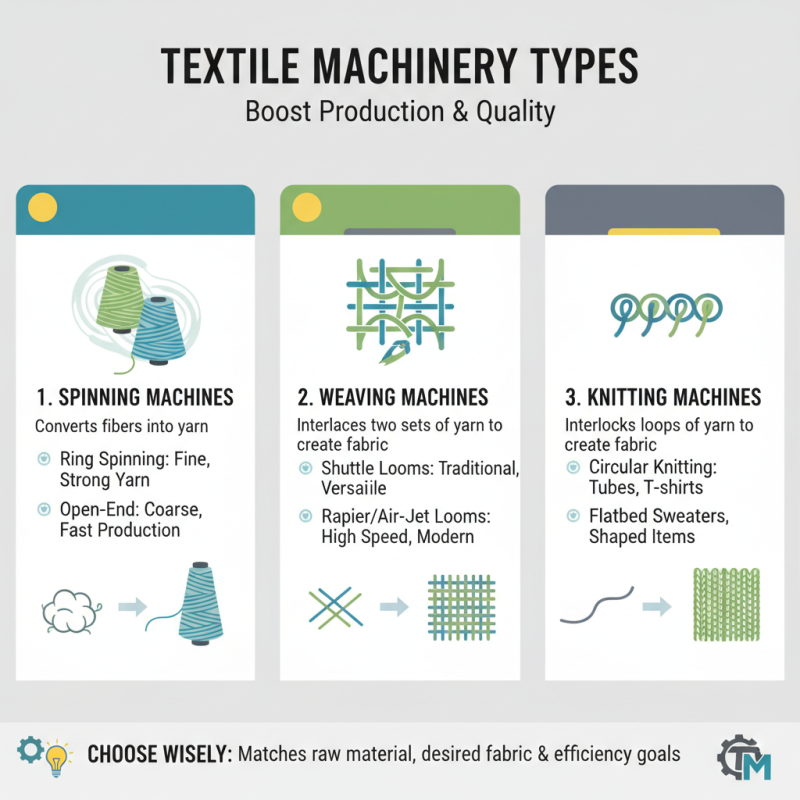
Choosing the right textile machinery can greatly impact your production quality and efficiency. Various types of machinery are available, each designed for specific tasks. Spinning machines are essential for converting raw fibers into yarn. They come in different configurations, from ring spinning to open-end spinning, each with its advantages.
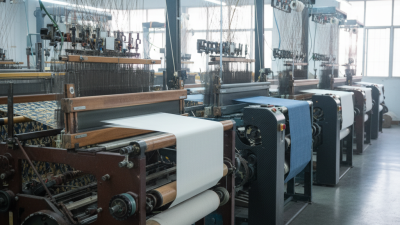
Weaving machines are another critical category. They transform yarn into fabric through various techniques like shuttle and shuttleless weaving. Each type influences the texture and durability of the fabric produced. However, the choice depends on your production needs and the types of textiles you aim to create.
Another significant type is dyeing and finishing machinery. This equipment enhances fabric aesthetics and performance. Processes like dyeing, printing, and finishing require careful consideration of chemical processing and environmental impacts. Regular maintenance is crucial for optimal performance. Investing in machinery requires research and alignment with market trends because technology evolves quickly.
Evaluating the Technical Specifications and Features of Textile Machines
When choosing textile machinery, understanding technical specifications is crucial. Factors such as
efficiency, flexibility, and compatibility play major roles. According to a recent report by
Textile World, the efficiency of machinery can lead to a 15% increase in production output. This means you should
prioritize machines that offer energy-saving features and high-speed operation.
Flexibility is increasingly important in today’s market. Machines that can switch
between different types of textiles are worth considering. The 2022 Global Textile Machinery Market report highlights that 72% of
manufacturers would prefer versatile machines to meet changing consumer demands. Look for models with adjustable settings for yarns and fabrics.
Compatibility with existing systems cannot be overlooked. Many businesses struggle with integrating new machines into their production lines.
In fact, 40% of textile companies experience delays due to compatibility issues. Evaluating the connectivity features and software
compatibility is vital. This helps avoid unnecessary downtimes and inefficiencies. Choosing the right specifications requires careful consideration and, at times,
introspection on past mistakes.
Assessing Cost, Quality, and Supplier Reputation for Purchasing Decisions
Choosing the right textile machinery is crucial for any business. It's not just about functionality but also cost, quality, and reputation. When assessing costs, consider both upfront and long-term expenses. Cheaper machinery might initially seem appealing, but hidden costs—like maintenance and energy consumption—can add up. Investing in quality machinery often pays off in the long run.
Quality is paramount in ensuring efficiency and output. Look for machinery that meets industry standards. Engage with your peers to gather insights. They might share experiences that highlight potential pitfalls. It's essential to evaluate how well the machinery performs over time. Reliable equipment avoids disruptions and protects your bottom line.
Supplier reputation is another critical factor. A well-regarded supplier is usually backed by positive customer feedback. Seek references and investigate the supplier’s history. A reputable supplier often offers extensive support and service. This support can be invaluable during installation and maintenance phases. A mismatch in expectations can lead to frustration and increased costs. Always approach purchasing decisions with diligent research and consideration.
Exploring Maintenance, Support, and Training Options for Textile Machinery
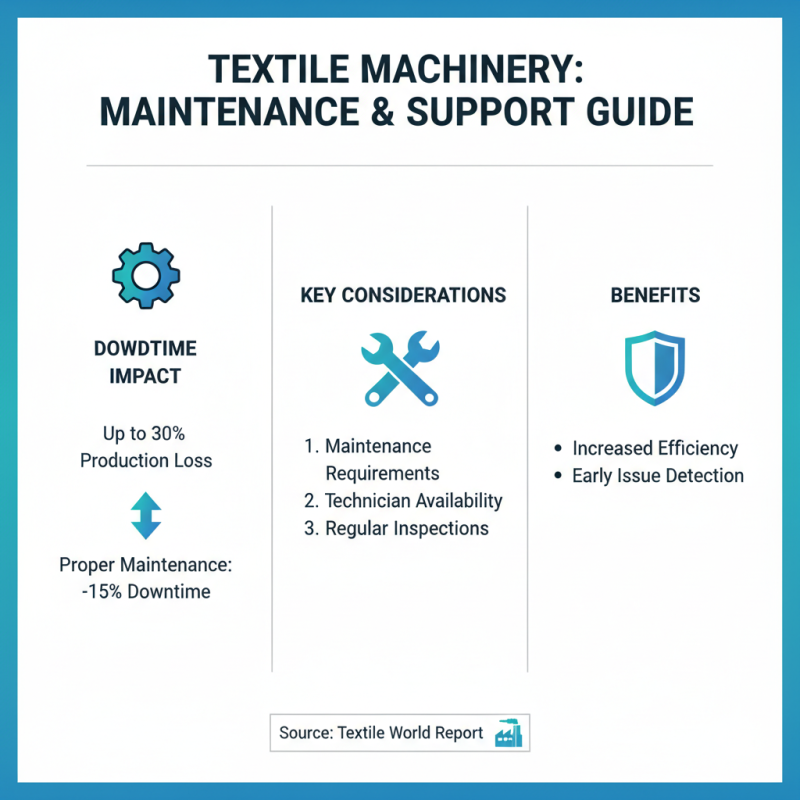
When selecting textile machinery, maintenance support plays a crucial role. The average downtime for textile machinery can reach up to 30%, impacting production efficiency. According to a report by Textile World, proper maintenance can reduce this downtime by 15%. Regular inspections help identify potential issues early. Understanding the machinery's maintenance requirements is essential before making a purchase. Skilled technicians should be available for efficient service and repairs.
Training options are equally important in ensuring optimal machine performance. Many industry reports highlight that well-trained staff can enhance production quality by 20%. It's vital to assess the training programs provided by manufacturers. Some may offer on-site training, while others have online resources. Consider how these options fit into your business model.
Lastly, ongoing support is a key factor. Sometimes, manufacturers may lack adequate customer service, leading to frustration. A reliable support system should include quick response times and knowledgeable staff. It's worth seeking testimonials and case studies regarding support experiences. This insight can reveal potential challenges. Choose wisely to ensure seamless operation in your textile production line.