How to Choose the Right Fabric Winding Machine for Your Needs?
Choosing the right fabric winding machine is crucial for manufacturers in textile production. Industry reports indicate that the global textile machinery market is projected to reach $22 billion by 2025. With advancements in technology, various types of fabric winding machines are emerging. This diversity creates confusion about which machine is the best fit.
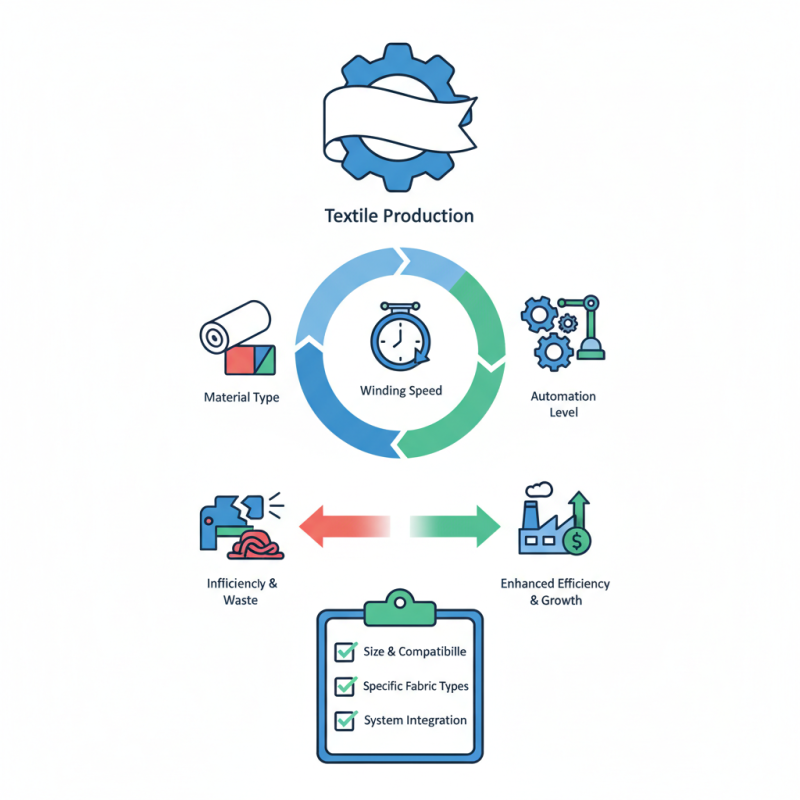
A proper fabric winding machine can enhance efficiency and reduce waste. However, many businesses still struggle with selection. They often overlook their specific needs. Factors such as material type and winding speed can significantly impact production. Ignoring these can lead to costly mistakes.
Understanding your requirements is essential. The wrong machine can hinder operations and affect overall productivity. It’s essential to evaluate features such as size, automation level, and compatibility with existing systems. Not every machine will be suitable for your unique fabric types. A thoughtful choice will lead to better performance and growth.
Understanding the Basics of Fabric Winding Machines
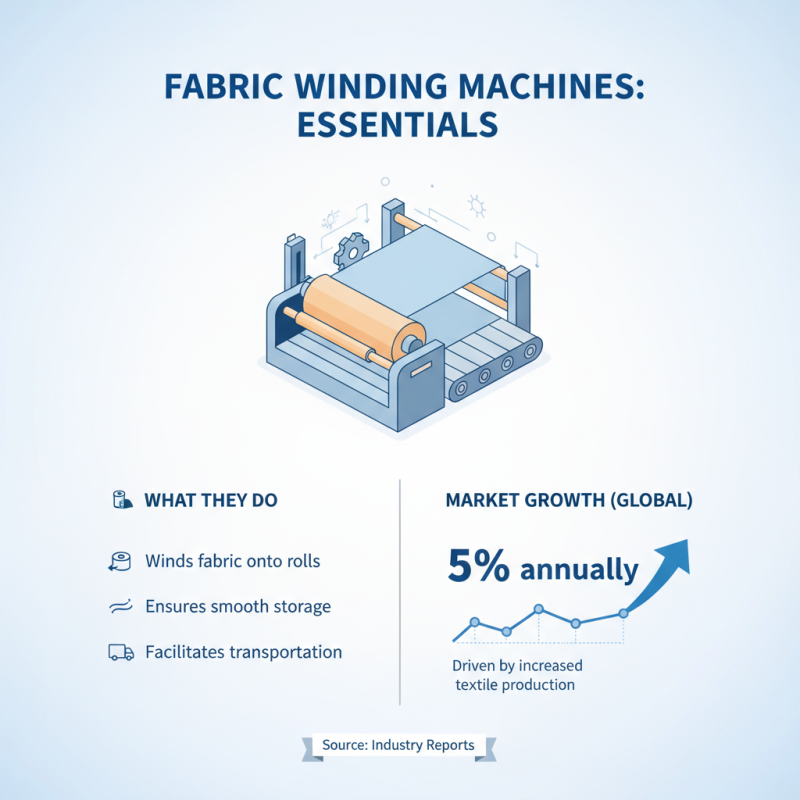
When choosing a fabric winding machine, understanding the basics is crucial. These machines efficiently wind fabric onto rolls, ensuring smooth storage and transportation. According to industry reports, the global fabric winding machine market is expected to grow by 5% annually, reflecting increased textile production needs.
Tip: Assess the width and type of fabric you typically work with. Different machines cater to varying fabric widths, influencing productivity. A machine that handles wider fabrics may not be suitable for narrower ones.
The operation of these machines involves several key components. Motors and gears drive the rolling mechanism, while tension controls maintain fabric quality. A report from the Textile Machinery Manufacturers Association highlights that improper tension can lead to defects and fabric waste.
Tip: Evaluate machine compatibility with your existing workflow. Consider potential adjustments needed for different fabric types. Doing so can prevent unnecessary downtime and mistakes. Reflect on the machine's features—more does not always mean better; sometimes, simplicity wins.
Identifying Your Fabric Winding Needs and Specifications
Choosing the right fabric winding machine starts with understanding your specific needs. Analyze the types of fabric you work with. Different materials have different winding requirements. For instance, heavier fabrics may need sturdier machinery. Light or delicate fabrics require careful handling. Consider the width and weight of the fabric rolls. This can greatly influence your choice.
Next, think about the machine's features. Automatic or manual options each have their advantages. Automatic machines save time but may be more complex. Manual machines can be easier to operate but take more effort. Reflect on your production volume. A machine that works for small-scale projects may fall short for larger operations.
After identifying these aspects, consider the overall space for installation. Measure the area where the machine will go. An ill-fitting machine can hinder productivity. Check the power source requirements too. Will your current electrical setup suffice? Keeping these factors in mind helps in making a wise decision. Each choice reflects your unique production environment.
How to Choose the Right Fabric Winding Machine for Your Needs?
| Feature |
Description |
Importance |
Recommended Specification |
| Machine Type |
Automatic vs Manual |
Depends on production volume |
Automatic for high volume |
| Winding Speed |
Speed of fabric winding |
Affects productivity |
>= 100 meters per minute |
| Max Fabric Width |
Width of fabric that can be wound |
Critical for different fabric types |
Up to 200 cm |
| Core Diameter |
Diameter of the winding core |
Essential for proper winding |
Standard 3 inches |
| Control System |
User interface for operation |
Affects ease of use |
Touchscreen with programmable settings |
| Power Supply |
Voltage and phase requirements |
Impact operational costs |
220V Single Phase |
| Maintenance |
Frequency and ease of maintenance |
Essential for longevity |
Minimal, with easy access to parts |
Key Features to Consider When Choosing a Winding Machine
When selecting a fabric winding machine, certain features are crucial. The type of material you work with plays a significant role. For instance, delicate fabrics may require gentle handling. A machine with adjustable tension and speed settings can accommodate different materials effectively. According to a report by Market Research Future, the fabric winding machinery market is expected to witness a 5% CAGR over the next five years, underlining the importance of choosing wisely.
Another key aspect is the machine's compatibility with various spool sizes. Not every project will use standard sizes. A versatile machine can handle a range of spool dimensions, providing greater flexibility. Additionally, consider the ease of operation. User-friendly interfaces can enhance productivity and reduce training time. Notably, a study indicated that 70% of operators prefer machines with intuitive controls.
Tip: Always evaluate your production needs before purchasing. Consider your typical workload and the types of fabrics you handle. This understanding will direct your decision-making process.
Furthermore, maintenance is an area often overlooked. A machine that is complex or hard to access for repairs could lead to downtime. According to industry surveys, 40% of users report extended downtime due to maintenance issues. It's crucial to assess ease of maintenance, as it directly affects your operation efficiency.
Comparing Different Types of Fabric Winding Machines
When selecting a fabric winding machine, it’s essential to compare different types. Some machines are designed for lightweight fabrics. Others cater to heavy-duty materials. Understanding your specific needs will guide your choice effectively.
Consider automatic and manual options. Automatic machines offer speed and consistency. However, they may come with a steep learning curve. Manual machines provide more control but can be labor-intensive. Reflect on your production volume and workflow before deciding.
Think about the winding capacity as well. Some machines can handle larger rolls, while others focus on precision for smaller ones. If space is limited, compact designs might be necessary. Efficiency and quality should not be compromised, but always assess what works best for your operation.
Comparison of Different Types of Fabric Winding Machines
Budgeting for Your Fabric Winding Machine Purchase
When budgeting for a fabric winding machine, it's essential to consider several factors. Think about your production volume. Higher volumes typically necessitate more advanced machines. Look into different features, like tension control and speed settings. These can significantly affect costs.
Don’t forget about ongoing expenses. Maintenance and repairs can add up. Allocate some funds for unexpected repairs. It's better to be prepared. Research can help identify potential issues with budget options. Reading user reviews might uncover hidden costs.
Evaluate your long-term business goals as well. A cheaper machine may save you upfront, but it could lead to inefficiencies over time. Buying too quickly can lead to buyer's remorse. Finding a balance between cost and quality is tricky but necessary.