How to Choose the Right Industrial Weaving Machine for Your Business?
Choosing the right industrial weaving machine is crucial for any textile business. The global textile machinery market is steadily growing, projected to reach $28.95 billion by 2027. Factors impacting this market include advancements in technology and an increasing demand for high-quality fabric.
Selecting the appropriate machine involves understanding your specific needs. For instance, consider the type of fabrics you want to produce. Different machines cater to various materials and patterns. Additionally, think about your production volume. Are you preparing for large-scale operations or smaller batches? The decision is not straightforward and can lead to costly mistakes.
Moreover, machine efficiency and maintenance play significant roles in profitability. High-quality industrial weaving machines minimize downtime and maximize output. However, not all machines are equal. Manufacturers often promote features that may not align with your business goals. Reflect on what truly suits your operations rather than getting swayed. A careful evaluation can lead to better long-term investments.
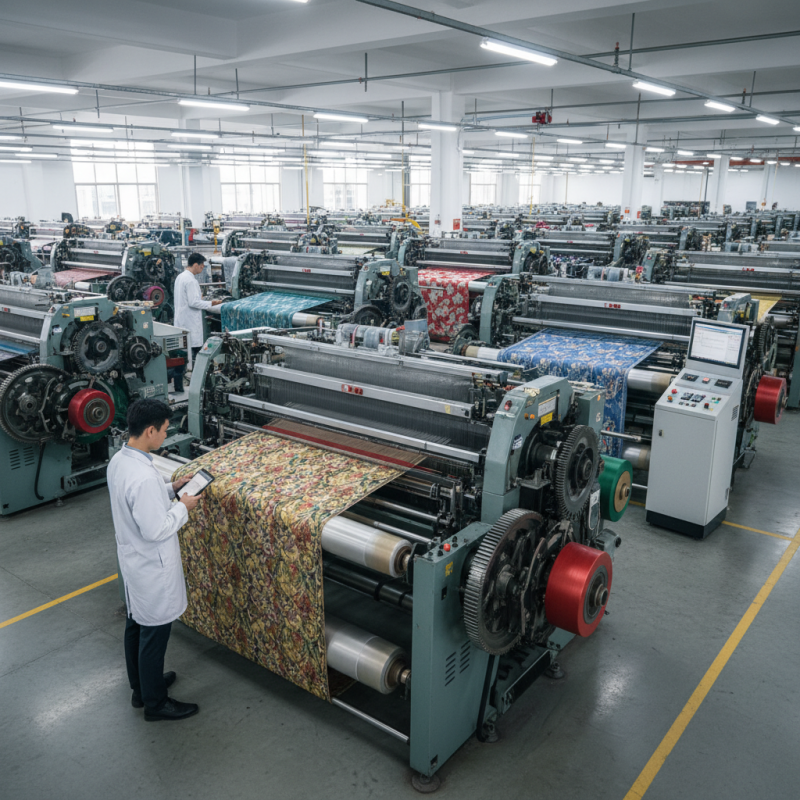
Factors to Consider When Choosing an Industrial Weaving Machine
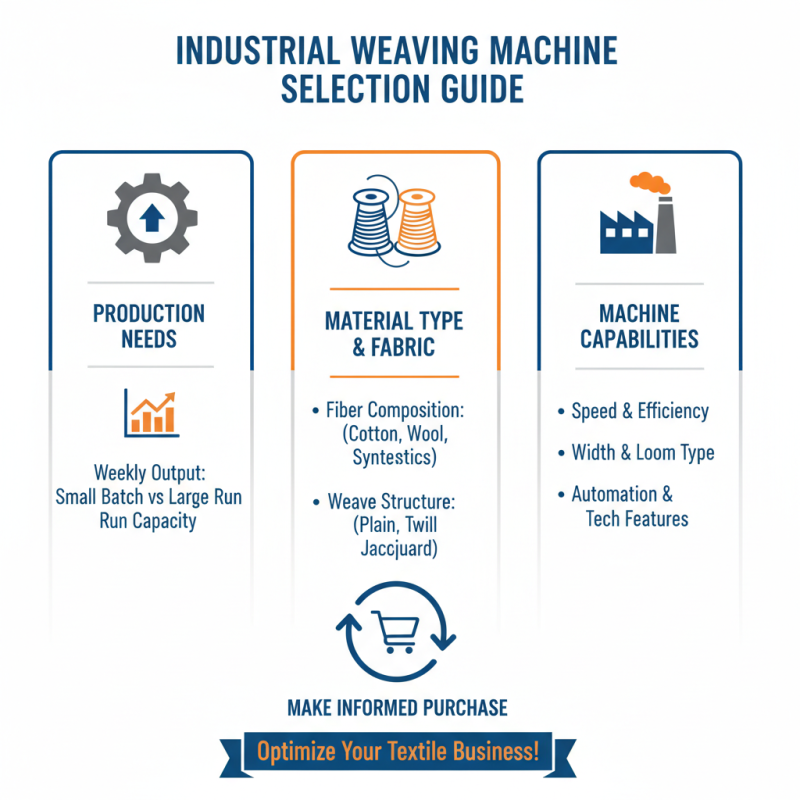
Choosing the right industrial weaving machine can be challenging. There are several factors to think about before making your purchase. First, consider the production needs of your business. How many units do you produce weekly? Assessing your output is crucial. Machines vary in their capabilities. Some may work well for small batches, while others shine in large runs.
Next, think about the types of fabrics you will weave. Natural fibers require different machines than synthetic ones. Not all machines handle every material effectively. You may face issues with compatibility down the line. Consider if you need advanced features like programmable patterns. However, do these features really align with your needs? Sometimes, simplicity can be more beneficial.
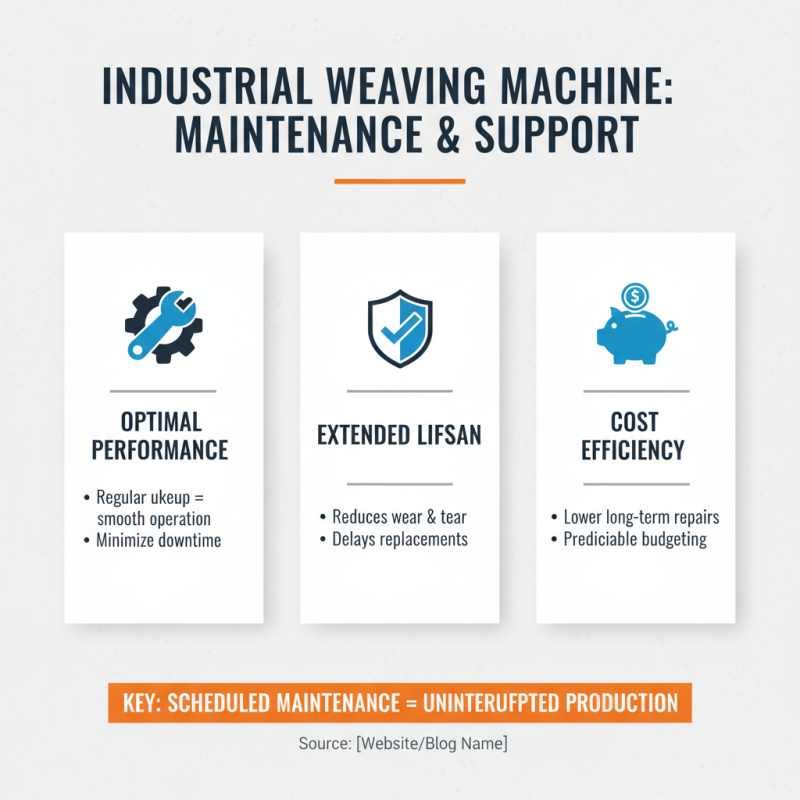
Lastly, the machine's maintenance requirements shouldn’t be overlooked. Some machines demand regular, intensive upkeep. Will your team have the skills to handle this? Or will outsourcing maintenance become necessary? Be honest about your team's capabilities and resources. This reflection will help in making a more informed choice.
Types of Industrial Weaving Machines and Their Applications
When choosing an industrial weaving machine, it's vital to understand the types available. Different machines cater to varied applications. For example, shuttle looms are traditional machines used for producing textiles with consistent quality. They work well for cotton and wool, but their speed is limited. This can be a drawback for high-volume production.
On the other hand, air-jet looms have gained popularity. They utilize air pressure to insert the weft yarn, which allows for faster weaving. This makes them suitable for producing intricate designs. However, they can be more complex to maintain. Finding the right balance between speed and quality can be challenging.
Raschel machines focus on creating lace and other specialized fabrics. They offer unique patterns but may require specific training for operators. It's crucial to consider your product line and market demands when making a choice. Reflecting on your business needs will guide you towards the most effective solution.
Evaluating Production Capacity and Speed Requirements
When selecting an industrial weaving machine, understanding production capacity is crucial. Your production goals define the type of machine you need. Consider how many units you want to produce daily. A machine with high capacity may seem appealing, but it may not suit your current needs. Overestimating production requirements can lead to unnecessary costs and wasted resources.
Speed requirements also play a significant role in your decision. Fast machines can increase productivity, but they come with challenges. High-speed weaving may risk quality control. Slower machines might provide more consistent quality but could fall short during peak demand. Assess your typical workload carefully. You might need flexibility to adapt to changing orders. The balance between speed and quality is a tightrope walk.
Keep in mind the learning curve associated with new machines. Staff must adapt to new speeds and capacities. Training takes time and resources. It’s important to reflect on whether your team is ready for this change. Assess your operational process to ensure a smooth transition. A mismatch in speed and capacity can lead to frustration. The right choice often requires careful thought and consideration.
How to Choose the Right Industrial Weaving Machine for Your Business?
| Machine Type |
Production Capacity (meters per day) |
Max Speed (meters/minute) |
Suitable Fabrics |
Power Consumption (kW) |
| Rapier Loom |
2000 |
400 |
Cotton, Polyester |
5.5 |
| Air Jet Loom |
3000 |
800 |
Silk, Nylon |
6.2 |
| Jacquard Loom |
1500 |
300 |
Wool, Decorative Fabrics |
7.0 |
| Shuttle Loom |
1800 |
250 |
Denim, Canvas |
4.5 |
| projectile Loom |
2200 |
600 |
Synthetic Fabrics |
5.0 |
Assessing Budget and Cost-Effectiveness of Weaving Machines
When choosing an industrial weaving machine, budget plays a crucial role. It's essential to determine how much you can spend. Weaving machines vary significantly in price. Some are more affordable but may lack advanced features. Others are high-end, offering exceptional capabilities. Balancing quality with cost is vital for making a sound investment.
A common error is underestimating maintenance costs. Machines require regular upkeep, affecting your budget over time. Repair bills can add up quickly if a machine breaks down. Consider these potential expenses when evaluating your options. Also, think about energy consumption. Some machines use more power, impacting operational costs. A thorough cost analysis will help avoid financial strain.
Production efficiency is another aspect to reflect on. An expensive machine may provide faster output. But will it truly meet your production needs? Take time to assess your business demands. Evaluate the machine's speed and scalability. Sometimes, a mid-range option can be more effective overall. Properly assessing your needs and costs can lead to better decision-making.
Cost-Effectiveness of Various Industrial Weaving Machines