How to Choose the Right Frequency Converter for Your Needs?
Choosing the right Frequency Converter can be a daunting task. With various options and specifications available, it can feel overwhelming. According to Dr. Emily Turnbull, a leading expert in electrical engineering, "A frequency converter must match your specific application for optimal performance." Her insight underscores the importance of understanding your needs before making a selection.
Frequency converters play a crucial role in numerous industries. They regulate power supply effectively by changing the frequency of electric currents. These devices are essential for machinery that operates at different speeds. However, selecting the wrong converter can lead to inefficiency and potential damage.
When shopping for a frequency converter, consider factors like load requirements, installation space, and operational environment. Ensure that the converter supports your machinery's specifications. Reflecting on your specific application can lead to better choices. Remember, an informed decision today can prevent costly issues in the future.
Understanding the Basics of Frequency Converters
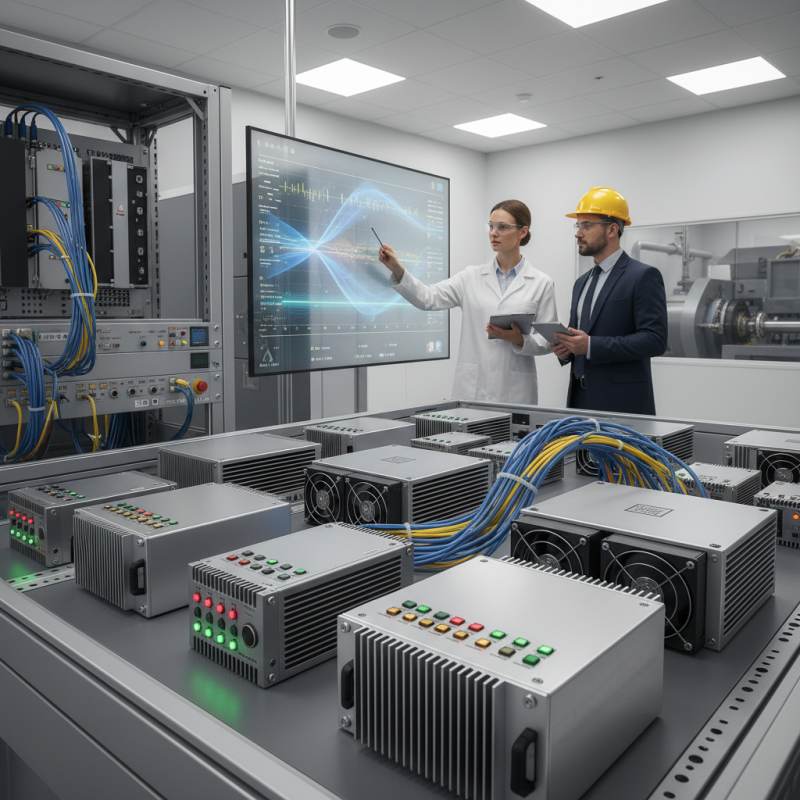
Understanding frequency converters is essential for various industrial applications. These devices control motor speed and torque by adjusting the frequency and voltage of the power supply. Many types exist, each serving different needs. Familiarity with their functions can guide better decisions.
When exploring frequency converters, consider factors like load type, required efficiency, and integration capabilities. For instance, an application with heavy fluctuations may need a robust solution. Simpler applications might benefit from basic models. Always verify specifications against operational demands.
It’s also important to assess the expertise needed for installation and maintenance. Some converters can be complex. A lack of understanding may lead to inefficiencies or errors in setup. In such cases, consulting with professionals can be invaluable.
Frequency Converter Performance Comparison
Different Types of Frequency Converters Available
When selecting a frequency converter, understanding the types available is crucial. There are several main categories of frequency converters, each serving unique applications. The most common include voltage source inverters (VSI), current source inverters (CSI), and matrix converters. According to industry reports, VSI systems dominate the market, accounting for about 70% of sales in 2022. Their versatility makes them ideal for various motor control applications.
Matrix converters are less common but offer advantages in efficiency and size. They don't require bulky DC link capacitors. This can be beneficial in applications where space is limited. However, they come with design complexities that might deter some users. A study by the International Electrotechnical Commission found that matrix converters are expected to grow by 15% over the next five years, driven by advancements in technology.
When making a choice, users should also consider the operating environment. For instance, some converters are better suited for harsh conditions. Others excel in precision tasks. It's essential to assess not only the specifications but also real-world performance in similar settings. Balancing these factors can be challenging. Furthermore, engaging with experts in the field can provide invaluable insights to navigate this complex decision-making process.
Key Factors to Consider When Choosing a Frequency Converter
Choosing the right frequency converter involves understanding several key factors. The application type is crucial. Identify whether you need it for HVAC systems, pumps, or industrial machinery. Each application has unique power requirements that can influence your choice. According to a report by MarketsandMarkets, the global variable frequency drive market is projected to reach $29 billion by 2025. This highlights the importance of selecting the right converter.
Another important element is the power rating. Determine the load requirements. A converter with insufficient power can lead to inefficiency and equipment damage. It's essential to match the converter's output voltage and current ratings to your specific needs. Testing different sizes or models may be beneficial. A mismatch can cause unexpected downtime or increased operational costs.
Tips: Always consult with experts when possible. A knowledgeable technician can provide insights tailored to your unique situation. Verify if the frequency converter complies with industry standards. This ensures reliability and safety in your operations.
Additionally, consider future scalability. What works today may not meet demands next year. Planning for flexibility can save costs down the line. Investing in a converter that adapts to growth is wise.
Evaluating Power Ratings and Efficiency Requirements
When choosing a frequency converter, evaluating power ratings and efficiency is crucial. The right power rating ensures that your converter can handle the load. According to the International Electrotechnical Commission (IEC), selecting a converter with a rated power exceeding the demand by 10-20% is recommended. This cushion prevents overheating and prolongs the device’s lifespan.
Efficiency ratings impact energy consumption directly. High-efficiency converters can reduce energy costs significantly. The U.S. Department of Energy states that an improvement of just 1% in efficiency can save hundreds of dollars annually in larger systems. Choosing converters based on efficiency ratings, like those meeting the IE3 energy efficiency standard, can be beneficial. Yet, it’s important to consider the trade-off between initial costs and long-term savings.
Monitoring actual performance against rated power can reveal unexpected inefficiencies. Underutilization might seem beneficial but could lead to wasted energy. Regular assessments and adjustments can help maintain optimal performance. Balancing between power and efficiency requires ongoing evaluation of needs and technology. This approach assures that the chosen frequency converter genuinely meets operational goals.
Application-Specific Considerations for Frequency Converters
Choosing the right frequency converter requires careful consideration of specific applications. It's crucial to assess the power requirements. Different machinery and equipment have varying demands. Motors used in fans, pumps, or conveyors may require unique specifications. For example, a pump might need a converter that can handle frequent start and stop cycles. This can affect its lifespan and efficiency.
Another important factor is the operating environment. Frequency converters must withstand different conditions. For example, harsh environments may require extra protection against dust or moisture. Consider the temperature range as well. A converter that performs well in a regulated environment may not fare well in extreme conditions.
Additionally, consider the type of control needed. Some applications may benefit from advanced features like regenerative braking or multi-motor control. Others may need simple functionality with focus on reliability. Balancing complexity with necessity can be tricky. It’s essential to reflect on what truly aligns with your operational goals while maintaining system integrity.