
Choosing Turf Football Shoes in 2026 is less about chasing the newest design and more about matching your boots to the surface, playing style, and feet. Artificial turf varies: some pitches feel firm and abrasive, while others have longer fibers and more cushioning. Check the manufacturer’s outsole guidance, since turf-specific rubber studs are designed differently from firm-ground blades. Fit comes first. Your heel should feel secure, with room for natural toe movement and no sharp pressure across the forefoot. Try both shoes with your usual football socks, ideally later in the day when feet may be slightly larger.
Consider how often you play and what your position demands. A lightweight upper may feel responsive, while extra cushioning can matter during longer sessions on hard surfaces. Neither feature guarantees better performance. Examine the sole for evenly distributed, short rubber studs, and look for flexible areas that let your foot move comfortably. Details matter. If possible, test the shoes with a few short turns and stops before committing; a quick walk around a shop cannot reproduce every match situation. Check stitching, upper materials, and return terms, too, especially when ordering online.
There is no perfect pair, and price alone is a poor guide. A premium model may not suit your foot shape, while a simpler option may feel stable and comfortable. One common mistake is buying a familiar model without checking whether its fit or outsole has changed. Compare specifications, inspect recent product information, and trust a careful try-on over marketing claims. A little doubt is useful here. The right choice should feel secure on your pitch, not merely impressive on a product page.
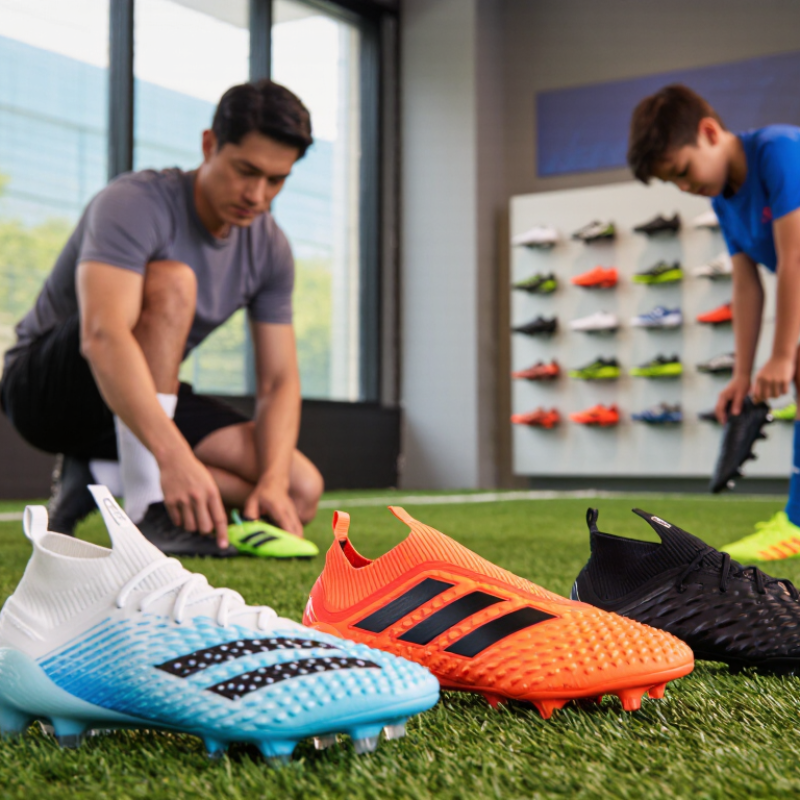
How to Choose Turf Football Shoes in 2026?
Identify the Turf Surface and Playing Conditions
Before choosing turf football shoes, inspect the surface, not just the shoe label. Short, dense artificial turf usually feels firm underfoot. It needs many small rubber studs for steady grip and quick turns. Long artificial grass may require a different sole pattern. Standard turf shoes can feel slippery there.
I have tested shoes on dry, compact pitches and damp evening fields. The difference is immediate. Dry turf often creates sharp traction. Wet turf reduces confidence during sudden stops. Check the rubber infill, too. Loose granules can make the surface unstable, while heavily worn areas may expose hard ground beneath the carpet.
Temperature changes the pitch more than many players expect. Hot surfaces can become stiff and unusually fast. Cold, wet turf may feel heavy and slow. Walk across the field before training. Try a gentle pivot. Your foot should grip without feeling trapped.
I once chose aggressive studs for a short, firm pitch. My turns felt secure, but my feet tired quickly. That choice was not completely wrong. It was poorly matched. Ask the facility manager about the latest surface maintenance. Also examine the sole after play. Packed rubber, flattened studs, or unusual wear can reveal a mismatch before discomfort becomes an injury risk.
How to Choose Turf Football Shoes in 2026?
Determine the Right Fit, Size, and Foot Shape
A turf shoe should feel secure without squeezing your toes. Measure both feet late in the day, when they may be slightly larger, and fit the longer one. Leave roughly a thumb’s width—about 8–12 mm—between your longest toe and the shoe’s front. Your heel should stay put when you jog, while the upper should not press sharply across your instep. A 2018 study in the Journal of Foot and Ankle Research found that many adults wore shoes that were either too short or too narrow, reinforcing the value of checking both length and width rather than trusting the printed size alone.
Foot shape matters on artificial turf. A wider forefoot may need a broader toe box; a narrow heel may need a snugger rear fit. If your toes overlap or your little toe rubs after a few turns, the shoe is likely too narrow. Turf studs should feel stable underfoot, not like hard points digging into your sole. Try shoes with your match socks, and test a short shuffle and sharp stop indoors. I once ignored a small pressure spot. It became a distraction.
Tips: Compare each foot’s measurements with the shoe’s size chart, since sizing varies between models. Check fit while standing, then walk and change direction. If numbness or persistent pain appears, stop and reassess rather than expecting the shoe to “break in.”
Example fit calculation for a 270 mm foot. Allowing 10–12 mm of space beyond the longest toe gives a target shoe interior length of 280–282 mm.
Measure both feet while standing and use the longer measurement. Try shoes on with your usual football socks: toes should have room to move, the heel should feel secure, and the shoe should not pinch the widest part of your foot. Shoe sizing varies, so check the individual shoe’s size guide and fit.
Choosing turf shoes in 2026 starts with the surface beneath your feet, not the product photo. Dense, short rubber nubs spread pressure across artificial turf and often provide steadier grip than long, widely spaced studs. Look for an even pattern, rounded edges, and lugs without cracks or peeling. On damp, compact turf, aggressive nubs can feel grabby during turns. Fit matters, too: a moving heel can make any outsole seem unreliable.
Traction should support a quick stop and controlled pivot, not lock your foot in place. Test shoes on the actual field when possible; crumb rubber, worn fibers, and moisture change how the outsole feels. Try a few short accelerations, then turn both ways. If your foot slips repeatedly or twists uncomfortably, reconsider the pattern. A showroom floor cannot answer that question. Feel the difference.
Cushioning is a balance. A thin, firm midsole keeps your foot close to the ground and may make cuts feel precise, while a softer layer can ease repeated impact on hard turf. Pressing the midsole with your thumb tells little about comfort after a full match. Check whether the forefoot bends naturally and the heel feels stable. If you have recurring foot or ankle pain, ask a qualified clinician; shoe choice alone may not address it. More cushioning is not automatically better, and the trade-off can be easy to overlook.
A turf shoe’s upper should feel secure without turning the foot into a stiff package. Thin synthetic uppers often give a direct touch, while softer, lightly padded materials can reduce pressure across the toes. Check the seams and overlays, too. Raised edges may rub during sharp turns. Small details matter.
Support is about a stable fit, not simply a high collar. Lace the shoes firmly and check whether your heel lifts when you accelerate. The midfoot should feel held, but your toes still need room to spread. Too tight is not better. Turf sessions involve repeated cuts, and a pinched foot can become distracting quickly. Foot shape varies, so use fit as your main guide rather than relying on a size label alone.
Ball feel depends on both the upper and its surface texture. A smooth, thin layer may make short passes feel crisp, while a thicker or textured upper can soften contact. Try a few passes and controlled touches on a similar turf surface, if possible. Notice whether the ball feels predictable when you receive it at different angles. I have found that a shoe can feel excellent in a shop and less natural after several minutes of movement. That first impression is useful, but not enough.
Compare the main construction choices and assess how each may affect comfort and control. These are general characteristics, not guarantees: fit, shoe shape, construction, and personal preference also matter.
| Upper Type | Typical Characteristics | Support and Fit | Ball Feel | Potential Trade-Off | Consider It If… |
|---|---|---|---|---|---|
| Synthetic leather | Often smooth and relatively easy to wipe clean. Thickness and flexibility vary by construction. | A structured upper can help the shoe feel secure, but the fit depends on the last, lacing, and overall design. | A close-fitting, thinner upper may give a direct touch; a thicker or padded one can feel more cushioned. | Some versions may feel less breathable or less supple than lightweight textile designs. | You prefer a structured feel and straightforward care. |
| Knit or woven textile | Can be flexible and lightweight, with feel and ventilation depending on the weave and any added coating or lining. | May conform to the foot, while support often relies on the shoe’s heel structure, lacing, and reinforcing elements. | A thin, close-fitting construction can feel responsive; a softer or padded surface may feel less direct. | Stretch, water resistance, and durability vary substantially between designs. | You value flexibility and a lightweight feel. |
| Mesh or engineered mesh | Mesh construction can promote airflow. Different zones may use different yarn densities or overlays. | The mesh alone does not determine stability; reinforcements and the way the shoe holds the midfoot and heel are important. | A thinner surface may feel more immediate, while a layered upper can add cushioning between the foot and ball. | Open or lightweight constructions may offer less protection from moisture and abrasion. | Breathability is a priority and the fit feels secure. |
| Hybrid upper | Combines materials or construction zones, such as a textile base with synthetic overlays or targeted reinforcement. | Can balance flexibility and structure, but the placement and quality of reinforcement matter more than the label. | Different zones may create varied touch across the forefoot; try it with football socks to assess the sensation. | More layers or overlays may add weight or create pressure points if the shape does not suit your foot. | You want a mix of flexibility, structure, and targeted reinforcement. |
| Any upper: check the fit | Material descriptions cannot predict how a particular shoe will fit your foot. | Look for a secure heel and midfoot, comfortable forefoot room, and no obvious pinching or slipping during movement. | A close, comfortable fit can help you sense the ball consistently; excess space may allow the foot to move inside the shoe. | A snug fit should not cause numbness, sharp pressure, or painful toe contact. | You can test the shoe while standing, walking, and making gentle changes of direction. |
| Turf outsole and support | Turf shoes commonly use many short rubber nubs intended for traction on artificial-turf surfaces. | Check that the shoe feels stable underfoot and that the heel and midfoot remain secure during turns. Traction needs vary by surface. | Outsole traction affects movement and footing rather than the upper’s direct touch on the ball. | Turf shoes are designed for turf; surface conditions and facility guidance should inform footwear choice. | You play on artificial turf and want footwear intended for that surface. |
Practical check: Try shoes on with the socks you play in. Prioritize a secure, comfortable fit and suitable turf traction; then compare upper feel and ball touch. No single material guarantees better control or support.
Choosing turf football shoes in 2026 starts with the surface you actually play on. Short, dense rubber studs usually grip artificial turf better than long outdoor studs. Check the outsole for evenly spaced lugs and firm bonding. Flex the shoe gently; separation near the toe can signal a weak construction. Small details matter.
Durability depends on more than the upper material. Look for reinforced toe areas if you drag your foot when shooting, and inspect stitching around high-stress seams. After a session, brush away rubber crumbs and let the shoes air-dry. Not always glamorous, but it helps. Set a budget that includes fit, not just features: a low price is poor value if the shoe causes rubbing or wears through quickly. Trying shoes on late in the day can help account for natural foot swelling.
New 2026 models may highlight lighter materials, breathable panels, or redesigned traction. Treat these as claims to assess, not automatic upgrades. Check whether the upper feels supportive without pinching, and whether the sole grips during short turns on your usual pitch. If possible, walk and jog in both shoes before buying. A snug heel and room for the toes are useful signs, though fit can vary between people. I would reconsider any choice that feels impressive on paper but uncomfortable after a few minutes.