How to Operate a Stenter Machine Effectively for Optimal Results?
In the textile industry, the stenter machine plays a crucial role in fabric finishing. Experts emphasize its importance for achieving optimal results. John Smith, a leading technician in the field, once stated, "A well-operated stenter machine can significantly enhance fabric quality." This underlines the necessity of mastering its operation.
Operating a stenter machine effectively involves understanding various parameters. Temperature, tension, and speed are key factors that influence the final product. However, it's easy to overlook minor adjustments that can make a big difference. Many operators find themselves stuck in routine practices, failing to optimize these settings for better outcomes.
Moreover, consistent maintenance of the stenter machine is vital. Neglecting small issues can lead to larger problems. Regular check-ups help avoid unexpected breakdowns. This attention to detail not only extends the machine's life but also ensures high-quality fabric. Experienced users often discover that perfecting these elements requires continuous learning and adaptation.
Understanding the Basics of Stenter Machines and Their Applications
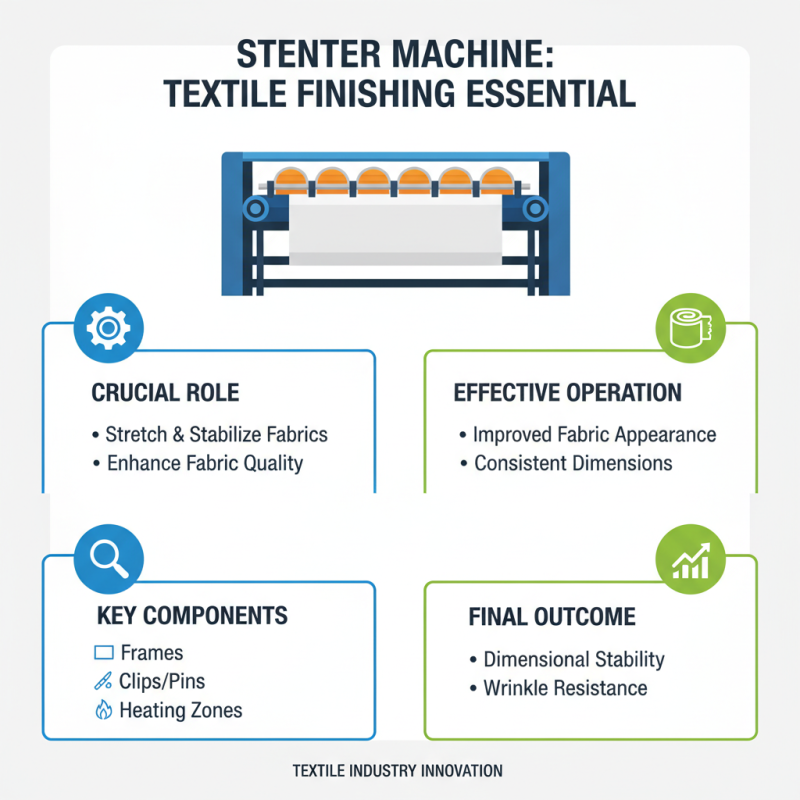
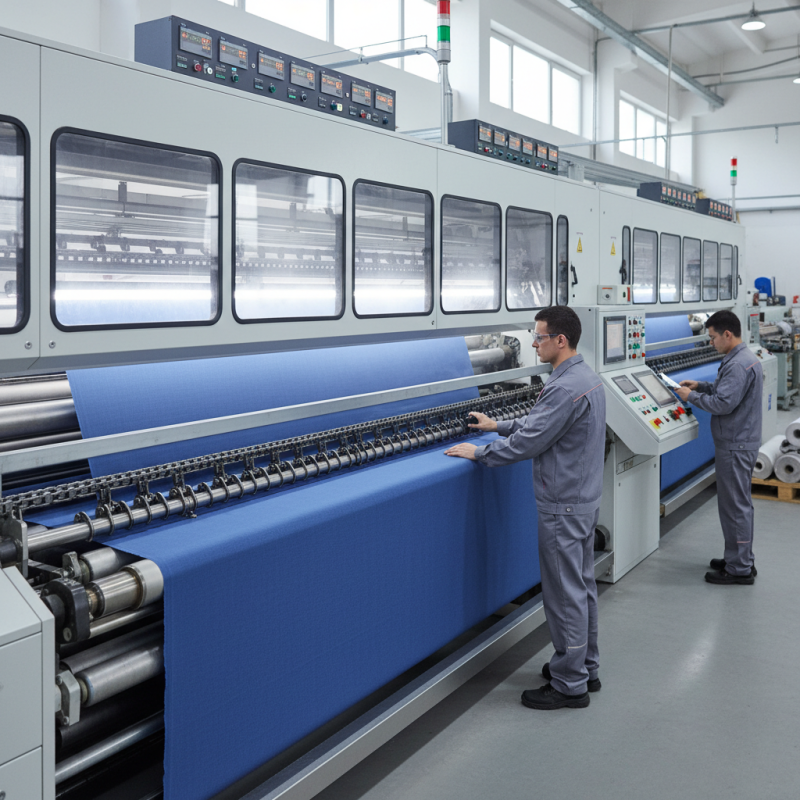
Stenter machines play a crucial role in the textile industry. They are used to stretch and stabilizes fabrics during the finishing process. Effective operation of a stenter machine can greatly enhance fabric quality and appearance. Understanding the machine’s components is essential. These include frames, clips, and heating zones, all of which impact the fabric's final outcome.
Properly setting the machine is vital. Operating at the right temperature and speed can prevent issues like distortion or color fading. However, many operators overlook the importance of regular maintenance. Neglecting to clean the machine can lead to inconsistent results. Dust and residue can affect the fabric and cause defects. Operators must also pay attention to fabric types, as different materials require unique settings.
It is important to monitor fabric tension during operation. Too much tension can lead to tearing, while too little may cause wrinkles. Operators should regularly inspect the clips for wear and tear. This ensures that the fabric remains securely held. Moreover, while some operators rely heavily on automated settings, manual adjustments may sometimes yield better results. Reflecting on past experiences can contribute to improved performance in future runs.
Key Components and Functionality of a Stenter Machine
A stenter machine plays a crucial role in the textile industry. It is designed to stretch fabric after dyeing. This process ensures that the fabric maintains its shape and enhances its appearance. The main components include the frame, chains, and heating chambers. The chains hold the fabric in place while the heating chambers provide the necessary temperature for effective treatment.
Understanding how each component works can improve machine performance. The frame must be sturdy to endure high tensions. Check for wear and tear regularly; replacing worn-out parts can prevent major issues. The heating chambers should maintain consistent temperatures. Fluctuations can lead to uneven fabric treatment, affecting quality.
Moreover, the machine's airflow should be balanced. Poor airflow can cause fabric to dry unevenly. Operators often overlook this aspect, leading to compromised results. It’s essential to calibrate the airflow settings frequently. Small adjustments can lead to significant improvements in efficiency and quality. A stenter machine requires continuous monitoring and fine-tuning for optimal operation. Attention to detail makes all the difference.
Essential Settings for Optimal Stenter Machine Operation
Operating a stenter machine effectively requires attention to essential settings. Temperature plays a crucial role in the process. It is vital to maintain a consistent lower temperature for heat-sensitive materials. It’s common to see operators set the temperature too high, leading to fabric damage. Regular checks can help avoid this mistake.
Speed adjustment is another key factor. The ideal speed ensures the fabric passes through without distortion. If the speed is too fast, the fabric may not stretch evenly. This can cause issues in the final product. Operators should experiment with different speeds to find what works best for their specific material.
Airflow should be carefully calibrated. Insufficient airflow can lead to uneven drying. Strong airflow may create tension in the fabric. Balancing these factors can be challenging. It's important to regularly review settings and adjust as needed. Reflection on previous runs will guide better decisions in future operations.
Stenter Machine Operating Efficiency
Common Challenges in Stenter Machine Operation and Solutions
Operating a stenter machine can be challenging. Many operators face issues that impede efficiency. According to industry reports, improper tension settings account for 30% of production defects. This can lead to fabric distortions and size variations. Regular monitoring of the tension is essential for optimal performance.
Temperature fluctuations are another common challenge. Inconsistent heat affects the fabric's appearance and quality. A study highlights that maintaining a stable temperature can improve output quality by 25%. Ensure proper calibrations and regular maintenance checks.
Tip: Always keep a log of temperature and tension adjustments. This can help trace problems back to their source.
Additionally, operators may encounter issues with fabric feed rates. Too fast or too slow can cause jams or incomplete stretching. Adjusting the feed rate based on fabric type is crucial. It's a trial-and-error process, often leading to inefficiencies.
Tip: Test different feed rates with various materials to find the perfect match. This not only saves time but also enhances overall productivity.
By understanding these challenges and reflecting on operational practices, operators can strive for better results. Consistent attention to detail is key to overcoming these obstacles.
Best Practices for Maintenance and Calibration of Stenter Machines
To maintain and calibrate a stenter machine effectively, regular upkeep is essential. Keeping the machine clean is key. Dust and debris can affect performance. Regularly inspect the machine for any wear and tear, especially on belts and heaters. If you notice anything unusual, address it promptly.
Adjusting the temperature and tension settings is crucial for optimal operation. Calibration can be tricky. Make sure the heated air is evenly distributed. An imbalanced temperature can lead to inconsistent results. Monitor the fabric as it passes through. Any deviations should lead to adjustments on the fly.
**Tips:** Perform routine checks weekly. A poorly calibrated machine can lead to fabric defects. If production slows, rethink your temperature settings. Calibration is not a one-time task; it requires continual oversight. Train staff on recognizing issues early. Empower them to take action instantly. This awareness can save time and resources in the long run.