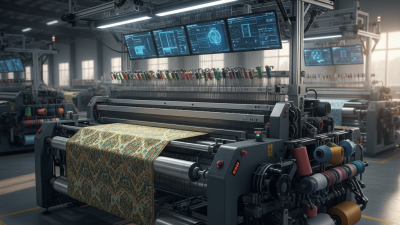
Why is Fabric Recycling Machine Essential for Sustainable Fashion?
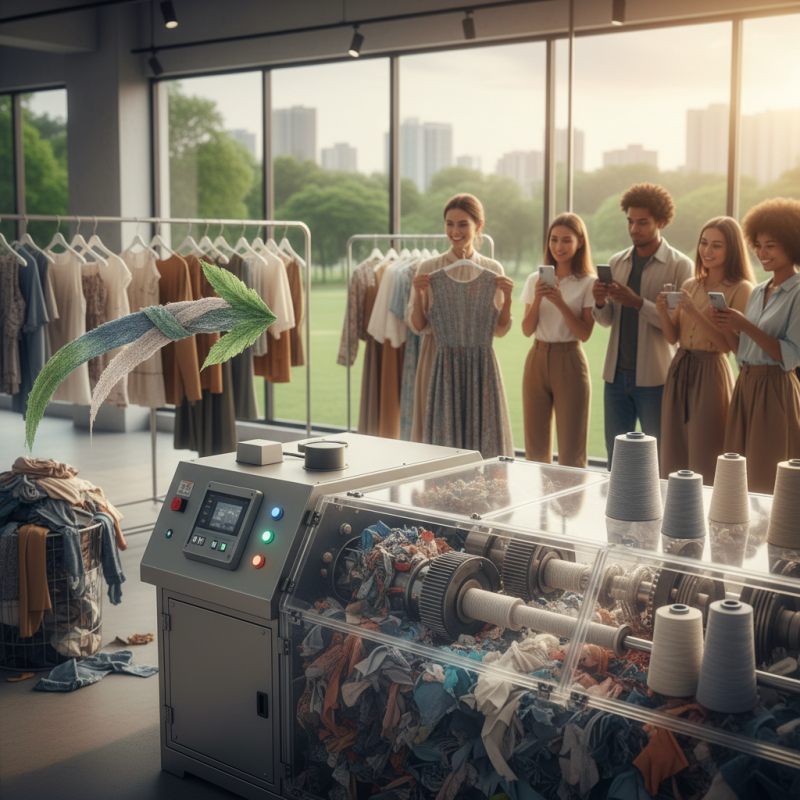
The fashion industry faces significant environmental challenges today. Overproduction leads to immense fabric waste. A fabric recycling machine plays a vital role in addressing this issue. It transforms discarded textiles into new materials. This process reduces landfill waste and conserves resources.
However, many brands still hesitate to adopt this technology. The initial investment can seem daunting. Yet, the long-term benefits are substantial. Sustainable fashion needs innovation. Without fabric recycling machines, the cycle of waste continues. Consumers demand change, pushing brands to rethink their practices.
Ultimately, embracing fabric recycling is not just practical, but necessary. It reflects a deeper commitment to our planet. As we move forward, integrating this technology can help create a more sustainable future for the fashion industry. The journey is not without its challenges, but progress is essential.
The Concept of Sustainable Fashion and Its Importance
Sustainable fashion is more than a trend; it's a necessity. The industry is responsible for about 10% of global carbon emissions. In fact, textile production consumes enormous resources. According to a recent report, over 92 million tons of waste are generated by the fashion industry each year. This staggering amount underscores the need for change. Fabric recycling machines play a pivotal role in this transformation.
Recycling textiles can redirect countless tons of waste from landfills. Currently, less than 1% of used clothing is recycled into new garments. Instead, most end up as landfill waste. The implications are severe, not just for our environment but for our future. Fabric recycling machines can significantly alter this narrative. They can efficiently convert discarded fabrics into new materials. This process not only reduces waste but also conserves resources.
The urgency for sustainable practices is clear. As consumers become increasingly aware, they demand transparency and responsibility. Brands must adapt or face backlash. It raises questions about the future of fashion. Can the industry truly embrace recycling and uphold sustainability? This journey requires collective effort and innovation.
Impact of Fabric Recycling on Sustainable Fashion
Understanding Fabric Recycling: Processes and Technologies
Fabric recycling is a growing necessity in the quest for sustainable fashion. The processes involved in fabric recycling are both innovative and complex. Textile waste makes up a significant portion of landfills, highlighting the urgent need for effective solutions.
The fabric recycling process typically begins with sorting discarded textiles. This involves separating materials based on their type, such as cotton, polyester, or blends. This step is crucial; improper sorting can lead to contamination and recycling inefficiencies. Once sorted, the fabrics are either shredded or chemically processed to create new fibers. Technologies such as chemical recycling are advancing, yet they still face challenges like high energy consumption and chemical waste.
Though fabric recycling machines offer hope, they are not without shortcomings. Many facilities lack access to these machines, and operational costs can be high. Moreover, public awareness of fabric recycling remains limited. Improving these aspects requires collaboration among manufacturers, consumers, and policymakers. The journey toward sustainable fashion is far from perfect, but every effort counts in reducing our environmental footprint.
Role of Fabric Recycling Machines in Reducing Textile Waste
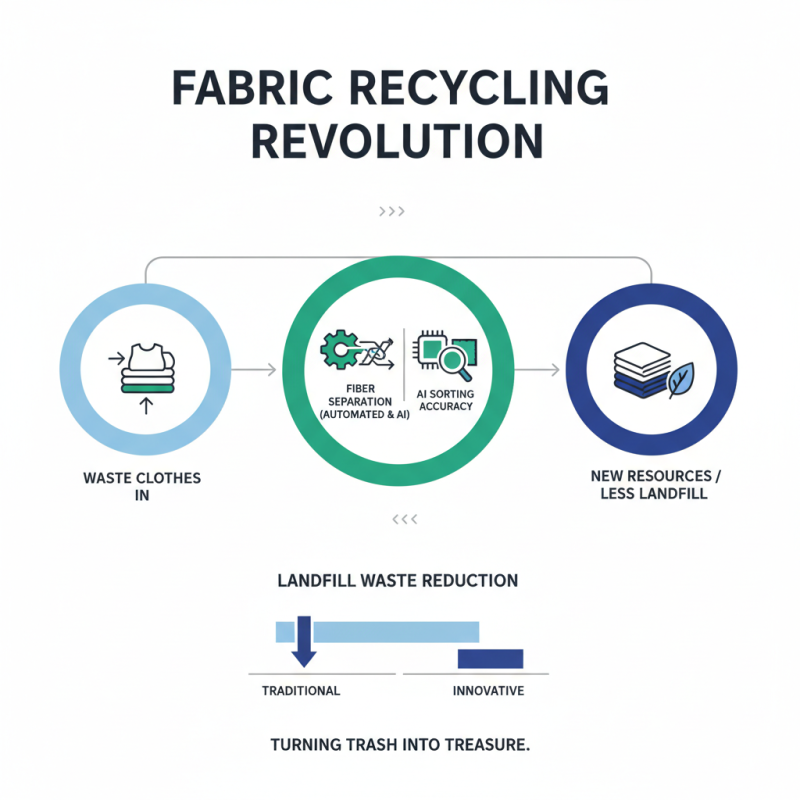
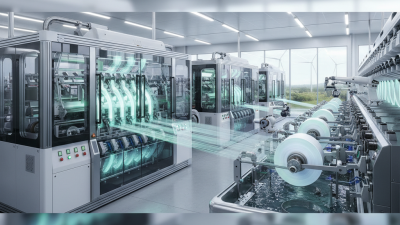
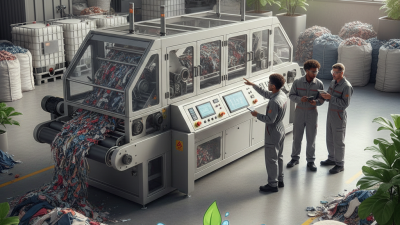
Fabric recycling machines play a vital role in addressing the growing issue of textile waste. Every year, millions of tons of fabric end up in landfills. This not only contributes to pollution but also wastes valuable resources. By utilizing recycling machines, we can effectively recover materials from discarded clothing and textiles. These machines can sort, shred, and process fabric efficiently.
The process begins when textiles are collected. Often, these items are no longer wearable. However, their fibers can still be valuable. Fabric recycling machines separate materials, like cotton from polyester. This separation allows for the recycling of fabrics into new textiles. It’s an intricate process, but essential for sustainable fashion practices.
Many people remain unaware of the impact of their fashion choices. Fast fashion leads to increased waste, and many garments are only worn a few times. There’s a need for continuous awareness. While recycling machines provide a solution, we must also address consumption habits. The responsibility falls on both consumers and industries to embrace sustainable practices. The future relies on innovative solutions, and fabric recycling machines are a significant step in that direction.
Economic Benefits of Fabric Recycling in the Fashion Industry
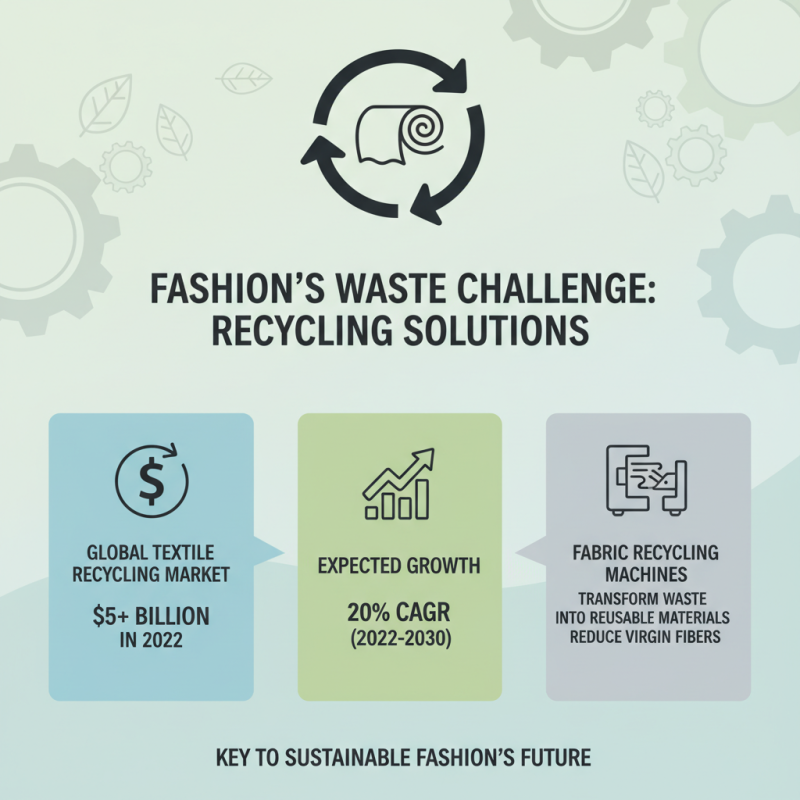
The fashion industry faces significant challenges due to waste. In 2022, the global textile recycling market was valued at over $5 billion. This sector is expected to grow at a compound annual growth rate of 20% through 2030. Fabric recycling machines play a critical role in this growth. They transform waste textiles into reusable materials, reducing the need for virgin fibers.
Economically, fabric recycling can lead to substantial cost savings. For instance, reusing old textiles can decrease production costs by up to 30%. This effect becomes more pronounced as recycling technology advances. Yet, many companies remain hesitant to invest in such machines. They may overlook short-term costs and potential long-term gains. Critics argue that transitioning can be difficult, requiring changes in sourcing and logistics.
Furthermore, fabric recycling reduces disposal fees. Landfills charge increasingly higher rates for waste, with costs averaging $50 per ton in some regions. By recycling, businesses can redirect resources towards innovation. However, the initial investment in recycling technology can deter smaller companies. This reluctance to adapt is a barrier to achieving broader sustainability goals in the fashion industry.