What is a Fabric Testing Machine and How Does it Work?
In the dynamic world of textiles, the role of a fabric testing machine is crucial. Dr. Emily Hartman, a renowned expert in textile engineering, states, “Understanding fabric properties is key to innovation in fashion.” This underscores the essential function of fabric testing machines in evaluating the strength, durability, and quality of materials.
A fabric testing machine analyzes various attributes of textile samples. It measures tensile strength, tear resistance, and colorfastness. Each test provides vital data that guides manufacturers in their production processes. Without accurate readings, the risk of defects increases.
Despite advancements in technology, some challenges remain. Selecting the right testing machine is often complicated. Factors like budget, specifications, and the type of fabric must be considered. This makes it difficult for some companies to invest properly in reliable equipment. The need for ongoing education in this area is evident. Understanding fabric properties ensures the future of quality textiles.
What is a Fabric Testing Machine?
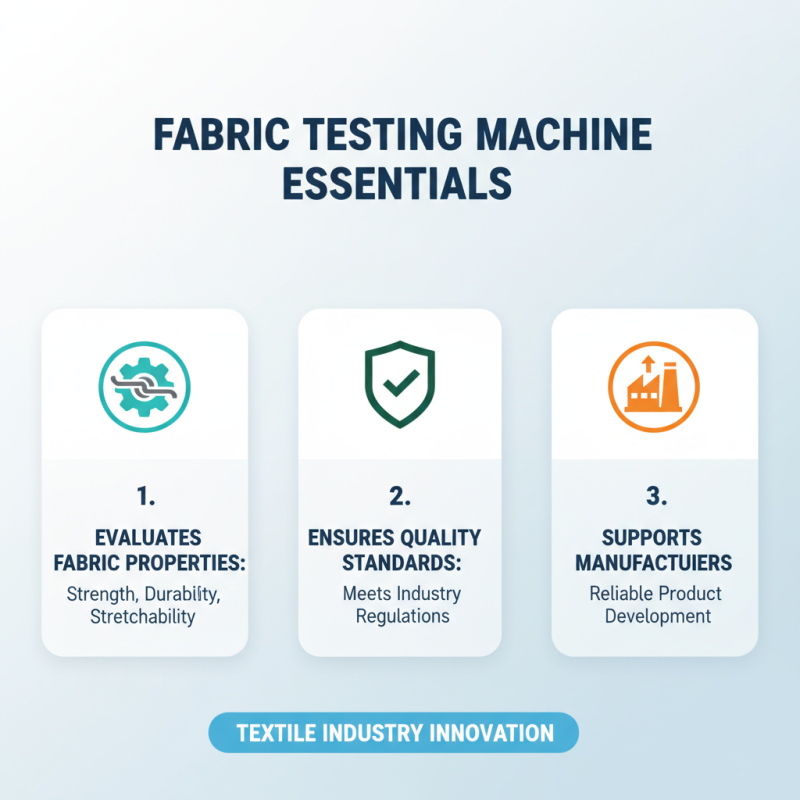
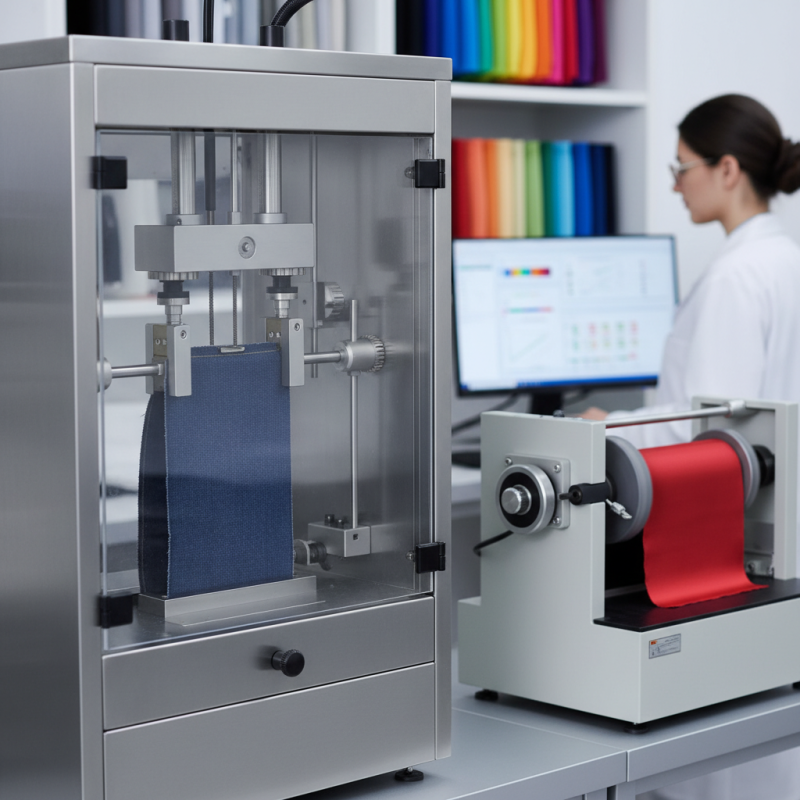
A fabric testing machine is essential in the textile industry. It evaluates various properties of fabrics, such as strength, durability, and stretchability. These machines help manufacturers ensure their products meet certain standards.
Different types of tests can be performed. Tensile strength tests measure the resistance of a fabric to being pulled apart. Abrasion tests evaluate how well a fabric withstands wear and tear over time. Color fastness tests check if the color of the fabric remains intact after washing. Each test provides valuable data that influences production decisions.
However, fabric testing is not foolproof. Sometimes, machine calibration issues may lead to inaccurate results. Operators must stay vigilant and frequently maintain the machines. Additionally, the selection of test methods can vary, which might affect the reliability of results. It’s necessary to reflect on these aspects to improve testing practices continuously.
Key Components of a Fabric Testing Machine
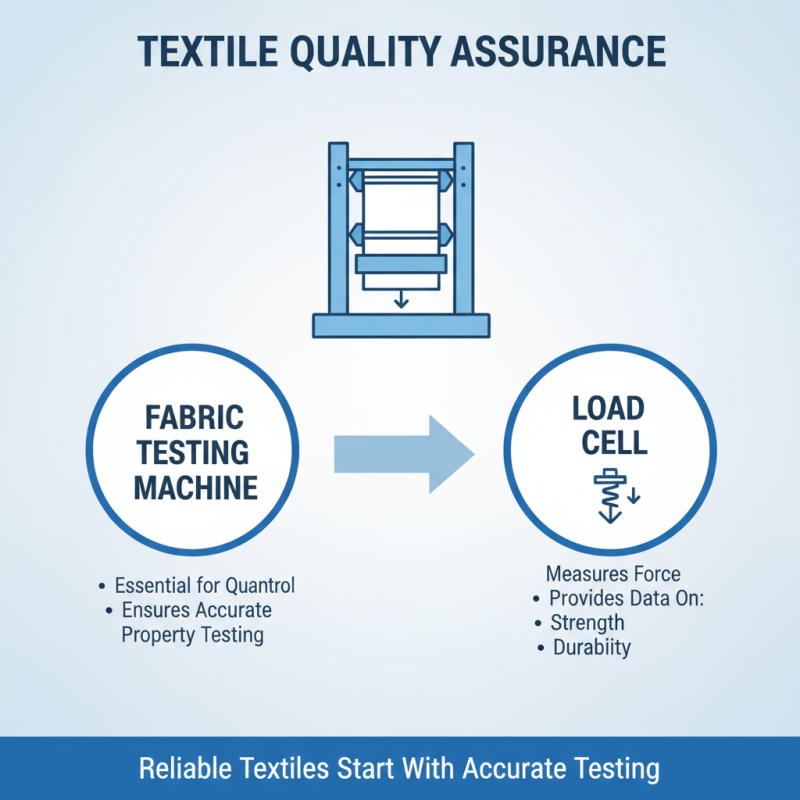
A fabric testing machine is essential for quality assurance in textiles. It consists of several key components that ensure accurate testing of fabric properties. One major part is the load cell. This device measures the force applied to the fabric during various tests. It provides crucial data on fabric strength and durability.
Another vital component is the digital display interface. This feature allows operators to monitor and record test results in real time. According to industry reports, around 75% of fabric defects can be traced back to inadequate testing. Thus, having a reliable interface can drastically improve quality control.
Lastly, the clamping system holds the fabric in place during testing. It needs to be robust yet adjustable to accommodate different fabric types. If the clamping fails, testing results lose credibility. For instance, a recent study highlighted how improper clamping can lead to up to a 30% variation in strength results. It’s a reminder of the importance of precision in fabric testing machines.
How Fabric Testing Machines Operate
Fabric testing machines are essential tools in the textile industry. They ensure quality and durability of fabrics. These machines perform various tests to assess properties like tensile strength, tearing resistance, and abrasion.
How fabric testing machines operate is fascinating. They use sensors and feedback systems to measure fabric responses. For instance, a tensile test measures how much force a fabric can withstand before breaking. The machine applies a controlled force until the sample fails. Operators must calibrate the machines carefully for accurate results. Attention to detail is crucial in this process.
However, not all tests are straightforward. Some fabrics behave unpredictably under stress. A machine might yield inconsistent results due to variations in sample preparation. This unpredictability can lead to confusion and misinterpretation of data. It's essential for operators to consider these factors to improve testing reliability.
What is a Fabric Testing Machine and How Does it Work?
| Test Type |
Purpose |
Units of Measurement |
Typical Standards |
| Tensile Strength |
Determine the strength of fabric when pulled |
N/mm² |
ASTM D5034 |
| Tear Strength |
Evaluate the resistance of fabric to tearing |
N |
ASTM D2261 |
| Color Fastness |
Assess the fading of color on exposure to light and washing |
Grade (1-5) |
ISO 105-A02 |
| Pilling Resistance |
Measure the tendency of fabric to form pills |
Rating (1-5) |
ASTM D4970 |
| Water Resistance |
Evaluate the ability to withstand water penetration |
mm |
AATCC 127 |
Types of Tests Conducted with Fabric Testing Machines
Fabric testing machines play a crucial role in the textile industry. They provide tests that ensure fabric quality and performance. Different tests include tensile strength, tear resistance, and abrasion resistance. Each test serves a unique purpose. They help determine how fabrics will perform in real-world conditions.
Tensile strength tests measure how much force a fabric can withstand before breaking. This is important for clothing and upholstery. Tear resistance tests assess how well a fabric can resist rips and cuts. Abrasion tests, on the other hand, simulate wear and tear over time. These tests offer insights into the fabric's durability.
However, not all tests can fully predict a fabric's life. Variability in manufacturing can affect results. Environmental factors, such as humidity, can also play a role. Thus, while tests provide valuable data, they are not foolproof. Testing machines help manufacturers refine their products but must be part of a broader quality control process.
Applications and Importance of Fabric Testing in Industry
Fabric testing plays a crucial role in the textile and garment industries. It ensures that fabrics meet specific standards for strength, durability, and safety. By using fabric testing machines, manufacturers can assess characteristics like tensile strength and colorfastness. These tests help prevent defects in the final product.
In production, the importance of fabric testing cannot be overstated. Even small issues can lead to significant failures. For instance, a fabric may seem visually perfect but lack the required stretch or tear resistance. This can result in poor performance during use. The right tests can identify such problems before products reach consumers.
Moreover, proper fabric testing is essential for compliance with industry regulations. Some markets require fabrics to meet safety standards. Failing to comply can lead to costly recalls and damage a brand's reputation. Regular testing helps maintain quality control throughout the production process. Consequently, companies can build trust with customers and reduce the risk of returns or complaints.
Fabric Testing Machine: Applications and Importance in Industry