Top Industrial Weaving Machine Types for Efficient Textile Production?
The textile industry heavily relies on efficient machinery to boost productivity. An industrial weaving machine stands at the forefront of this quest. According to a recent report by Technavio, the global industrial weaving machine market is projected to grow by 5% annually, reaching a staggering $4.5 billion by 2025. This growth highlights the significance of adopting advanced weaving technologies.
Different types of industrial weaving machines cater to various textile applications. For instance, rapier looms offer versatility and can produce complex patterns, making them popular among manufacturers. Jacquard looms excel at creating intricate designs, enhancing fabric aesthetics. Yet, despite technological advancements, some manufacturers still face challenges in optimizing machine performance and reducing waste.
As the industry evolves, understanding which machine type best fits specific production needs is essential. The wrong choice can lead to inefficiency and increased costs. Thus, a careful examination of industrial weaving machine types is necessary for maximizing output and maintaining competitiveness in the global market.
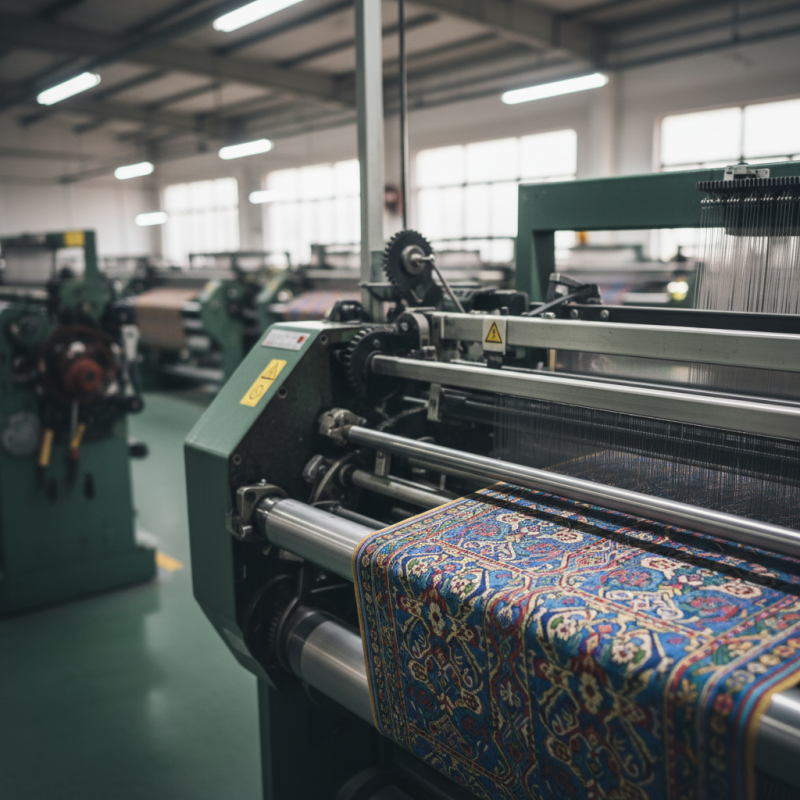
Types of Industrial Weaving Machines Used in Textile Production
Industrial weaving machines play a crucial role in textile production. They come in various types, each designed for specific tasks. For instance, rapier looms, known for their flexibility, handle diverse fabrics. According to a recent market report, these looms have increased in popularity due to their speed and versatility.
Another type, the air-jet loom, offers high-speed production rates, capable of weaving at speeds over 1,500 meters per minute. This efficiency can boost output significantly. However, operating such advanced machines demands skilled technicians. A shortage of trained operators can hinder a factory's production potential.
Shuttle looms, while older technology, still hold relevance. They are often used for simpler fabrics. Yet, they aren't as efficient or fast as modern counterparts. This inconsistency in technology adoption can lead companies to rethink their production strategies. Investing in newer machines can be costly, but it may offer significant long-term benefits.
Key Features and Benefits of Different Weaving Machine Types
When it comes to weaving machines, efficiency is key. Different types of machines cater to various textile production needs. For instance, shuttle weaving machines excel in creating intricate designs. Their ability to handle diverse thread types makes them popular. However, they may struggle with high-speed production, which can be a drawback.
On the other hand, air-jet weaving machines use air to propel threads. This feature allows for faster operation and lightweight fabric creation. The technology minimizes mechanical wear, enhancing durability. Yet, they can be more expensive and may require skilled operators. Ultimately, choosing the right machine depends on your specific production goals.
Another type is rapier weaving machines. They offer flexibility in fabric types and can produce wide widths. However, they might not match the speeds of air-jet machines. Finding the balance between speed and fabric quality is essential. Each machine type has its pros and cons. Careful consideration is necessary to maximize productivity while ensuring quality.
Comparative Analysis of Jacquard, Rapier, and Air Jet Weaving Machines
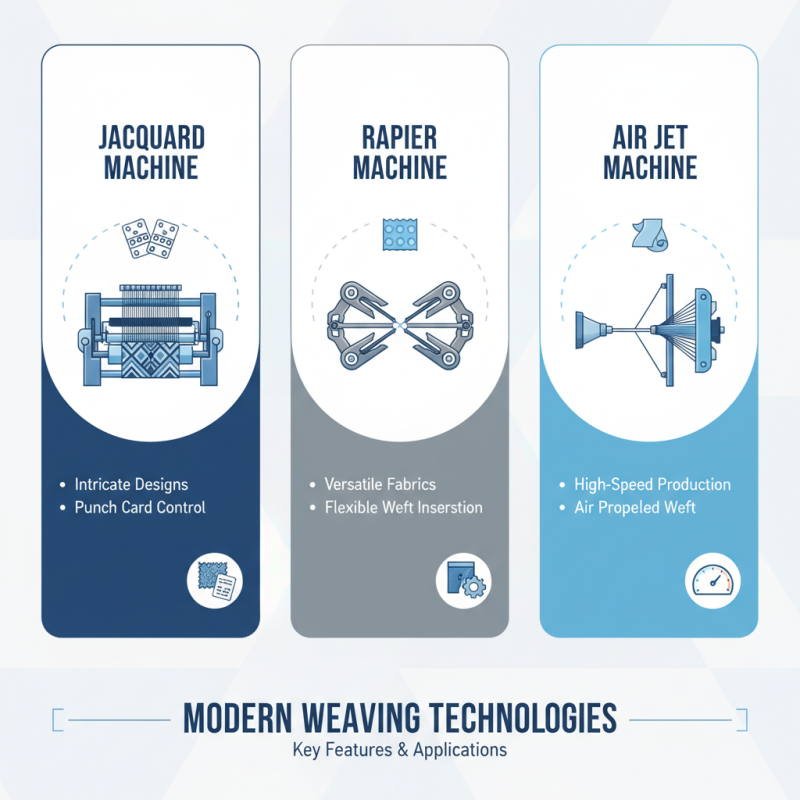
When exploring modern weaving technologies, Jacquard, Rapier, and Air Jet machines stand out. Each machine type has unique features catering to various production needs. The Jacquard machine excels in intricate designs. It uses punch cards to control individual warp threads. This allows for complex patterns and textures, making it perfect for high-end textiles. However, its setup can be time-consuming. This might not be efficient for small runs.
The Rapier weaving machine offers a different approach. It uses a rapier to carry the weft yarn across the warp. This results in high speed and versatility. Factories can produce a variety of fabric types quickly. But, maintenance can be challenging. Issues may arise with thread breakage or misfeeding. Regular checks are necessary to maintain efficiency.
Air Jet weaving machines utilize compressed air to insert the weft yarn. They are known for their speed and low noise levels. These machines can produce wide fabrics at a rapid pace. However, they may struggle with heavy yarns. This can limit their application in certain textile types. Understanding these trade-offs is essential for efficient production planning.
Factors Influencing the Selection of Weaving Machines in Industry
Selecting the right weaving machine is crucial for efficient textile production. Several factors influence this decision. One primary consideration is the fabric type. For lightweight fabrics, shuttle-less looms are ideal. They operate faster and minimize fabric damage. Heavy fabrics often require traditional looms for better control.
Another critical factor is production volume. High-volume production demands machines with higher speeds and automation. According to a recent industry report, automated looms can increase productivity by up to 30%. However, they may require a larger initial investment. This can be a barrier for smaller manufacturers. Balancing costs and benefits is essential.
Tip: Assess your production needs clearly before investing in machinery. Understanding the fabric requirements and anticipated output helps in making informed decisions.
Maintenance is also a key consideration. Machines with lower maintenance needs can save time and costs over the long run. However, some advanced models may require regular expert oversight. This adds complexity that might not suit every business type.
Tip: Research machine maintenance needs and costs. This will help avoid unexpected disruptions.
Top Industrial Weaving Machine Types for Efficient Textile Production
| Machine Type |
Production Speed (m/min) |
Weaving Width (cm) |
Energy Consumption (kW) |
Key Features |
| Air Jet Loom |
900 |
340 |
5.5 |
High speed, versatile fabric types |
| Rapier Loom |
600 |
500 |
8 |
Flexibility for heavy and delicate fabrics |
| Projectile Loom |
400 |
250 |
10 |
High efficiency for heavy materials |
| Jacquard Loom |
300 |
180 |
7 |
Complex patterns and designs |
| Shuttle Loom |
250 |
300 |
6 |
Traditional method, robust fabrics |
Future Trends in Industrial Weaving Technology and Machinery
The future of industrial weaving technology is exciting yet challenging. Automation is becoming a key player. Reports suggest that 75% of textile manufacturers are investing in automated solutions. These advancements promise to boost efficiency. Machines now require less manual intervention. However, training workers to adapt is crucial. The transition can be steep for many.
Sustainability is also on the rise. Research indicates that eco-friendly machinery will dominate the market by 2025. This shift could reduce energy consumption by up to 30%. Textiles made with sustainable processes are gaining traction. But some manufacturers struggle to balance cost and sustainability. This conflict poses questions about the future viability of eco-friendly options. Operators need to rethink resource allocation.
Furthermore, integration with AI is becoming prevalent. AI can optimize weaving patterns and reduce waste. Data shows that AI-driven machines can increase production speed by 50%. Yet, reliance on technology raises concerns about cybersecurity and job security. The future of weaving will likely depend on finding harmony between technology and human skills. This balance remains essential for long-term success in the industry.
Top Industrial Weaving Machine Types for Efficient Textile Production