What is a Synthetic Textile Machine and How Does It Work?
The Synthetic Textile Machine plays a crucial role in modern fabric production. This innovative device transforms raw materials into threads and fabrics. It combines various technologies to ensure efficiency and precision.
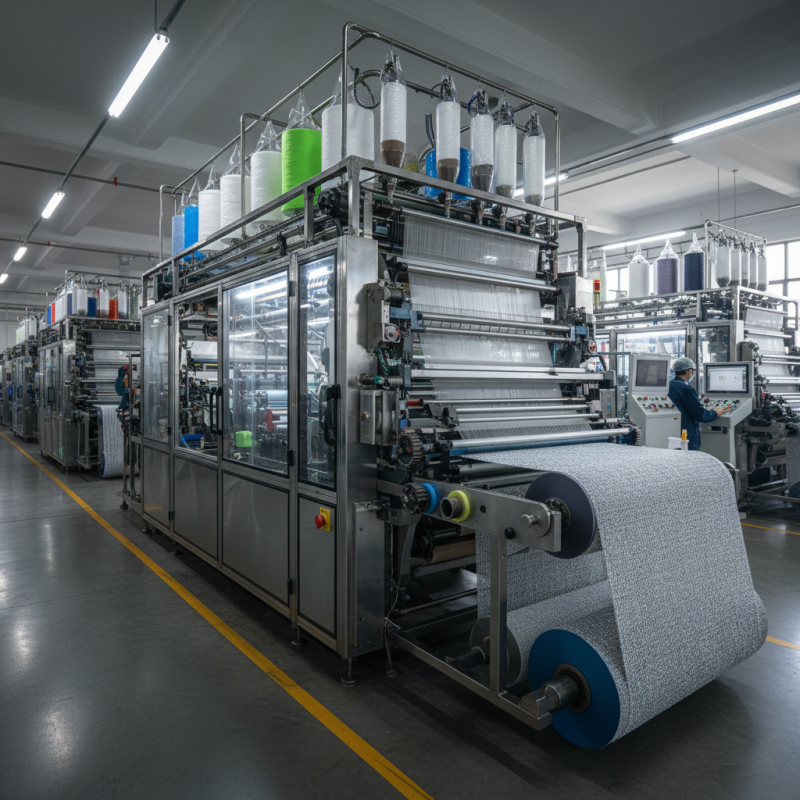
Understanding how a Synthetic Textile Machine works reveals its complexity. It processes synthetic fibers like polyester and nylon. The machine weaves and knits these materials into textiles, creating a wide array of products. This transformation happens through intricate mechanisms that require careful calibration.
However, the reliance on such machines raises questions about sustainability. Fast fashion often leads to overproduction and waste. While the Synthetic Textile Machine improves output, it challenges us to consider its environmental impact. Balancing innovation with eco-conscious practices demands reflection.
What is a Synthetic Textile Machine?
A synthetic textile machine is a device used in the production of synthetic fibers. These machines play a crucial role in the textile industry. They create materials that mimic natural fibers but offer unique advantages. Synthetic fibers are often more durable and resistant to water.
These machines work by melting polymer pellets. The molten polymer is then extruded through spinnerets. This process forms long strands of fiber. After cooling, these fibers can be spun into yarn. This yarn is used to make various textile products. The versatility of synthetic textiles is impressive.
However, the process isn't without flaws. Energy consumption can be high. The environmental impact of synthetic fibers raises concerns. Production often requires significant resources. Despite these challenges, synthetic textiles remain popular. Their benefits cannot be overlooked in contemporary fashion.
The History and Evolution of Synthetic Textile Machines
Synthetic textile machines have revolutionized the fashion industry over decades. Originally, the industry relied on manual processes for fabric production. The first synthetic fibers, like nylon, appeared in the 1930s, bringing a wave of innovation. Reports indicate that global synthetic fiber production reached 64 million metric tons in 2021. This surge showcases the immense growth in demand for versatile fabrics.
The evolution of these machines has been marked by significant technological advancements. Early machines fell short in efficiency and productivity. For instance, the introduction of automated looms increased fabric production speed by 50% after their inception in the 1960s. However, despite these advancements, not all machines are equally efficient. Some still rely on outdated mechanisms, causing delays and waste.
Today's machines incorporate sophisticated computer controls for precision. Yet, many manufacturers struggle with high operational costs. Sustainability is another pressing concern. A percentage of synthetic textile production still relies on fossil fuels. This raises questions about the long-term viability of these fabrics. Balancing innovation with responsibility is key for the industry's future.
Evolution of Synthetic Textile Machines Over the Years
Key Components of a Synthetic Textile Machine
A synthetic textile machine plays a crucial role in the production of fabrics. Its key components define how it operates. One of the main parts is the extruder, which melts raw polymers. This melted material is then pushed through spinnerets to create filaments. These filaments can be cut into staple fibers or left continuous for further processing.
Another important component is the drawing unit. Here, the fibers are stretched to align the molecules, enhancing strength. The drawing process also affects the texture and feel of the final fabric. It’s a balance between speed and quality. If the drawing is too aggressive, the fibers can break. If too gentle, the fibers may lack strength.
Tips: Regular maintenance is vital for optimal performance. Keep the extruder and drawing unit clean and free of debris. Pay attention to the temperature settings; improper temperatures can lead to inconsistent fiber quality. Inspect the spinnerets often; clogged holes can ruin production batches. When running tests on new materials, document your observations. Reflection is key to improving processes.
The Operating Principles Behind Synthetic Textile Production
Synthetic textile machines play a crucial role in transforming raw materials into complex textiles. These machines utilize various operating principles to create synthetic fibers. The process often begins with the polymerization of chemicals, leading to the production of filament yarns. According to data from the Textile World, the global synthetic fiber market is projected to reach $60 billion by 2025. This growth indicates an increasing reliance on synthetic textiles in fashion and industrial applications.
The operation involves several stages, including spinning, weaving, and finishing. During spinning, the fibers are extruded through spinnerets, forming continuous filaments. These filaments are then drawn and twisted to enhance their strength. A report from Technavio highlights that the demand for advanced synthetic textiles is growing by 5% annually. However, while synthetic textiles offer durability, they also raise environmental concerns. Recyclability remains a challenge, and the production process can be energy-intensive.
Moreover, synthetic textile machines require constant innovation to address quality and sustainability. Manufacturers often face difficulties in balancing production efficiency and environmental impact. The evolving industry emphasizes the need for more eco-friendly practices. This ongoing struggle reflects both the potential and the challenges within the synthetic textile sector.
What is a Synthetic Textile Machine and How Does It Work? - The Operating Principles Behind Synthetic Textile Production
| Aspect | Description |
| Machine Type | Filament Spinning Machine |
| Process | Polymer Melting and Extrusion |
| Main Materials | Nylon, Polyester, Acrylic |
| Key Components | Spinneret, Cooling System, Winding System |
| Production Rate | 100-300 kg/hour |
| Energy Consumption | 1.5-2.5 kWh/kg |
| End Products | Textiles, Apparel, Industrial Fabrics |
Applications and Impact of Synthetic Textiles in the Industry
Synthetic textiles have transformed the textile industry. They are made from chemical processes involving polymers, resulting in materials like polyester and nylon. According to a report by Textile World, synthetic textiles account for over 60% of global fiber production. This dominance reflects their versatility and functionality. They are lightweight, durable, and often water-resistant, making them ideal for various applications.
In the fashion industry, synthetic fabrics are prevalent. They enable designers to create innovative designs while ensuring affordability and ease of maintenance. Sportswear brands utilize synthetic materials for activewear, enhancing performance through moisture-wicking properties. Furthermore, the automotive industry employs synthetic textiles for upholstery, providing durability and comfort. Despite these benefits, concerns over environmental impact arise. Many synthetic textiles take hundreds of years to decompose, contributing to pollution.
Tips: Consider eco-friendly alternatives when buying synthetic textiles. Look for recycled options or brands that prioritize sustainability. Awareness of the lifespan and disposal of materials is essential, too. It's key to understand the balance between innovation and environmental responsibility. Reducing reliance on new synthetic fibers can lessen our ecological footprint.