Top 10 Textile Machinery Tips for Global Buyers to Consider
In the fast-evolving world of textile machinery, global buyers face unique challenges. Selecting the right equipment can significantly impact production efficiency and product quality. It is crucial for buyers to have a clear understanding of their specific needs. Each type of textile machinery has unique features and limitations that must be evaluated.
Buyers should consider factors such as technology trends, energy efficiency, and maintenance requirements. Knowledge is power in this industry. Many buyers overlook the importance of after-sales support, which is vital for long-term success. Investing in textile machinery with good service can prevent costly downtimes.
Engaging with established brands enhances credibility. However, newer companies may offer innovative solutions. Exploring various options encourages informed decisions. Ultimately, buyers must balance cost with quality, striving for machinery that meets their operational goals. This approach can lead to a more sustainable and profitable future in textile manufacturing.
Understanding the Types of Textile Machinery Available in the Market
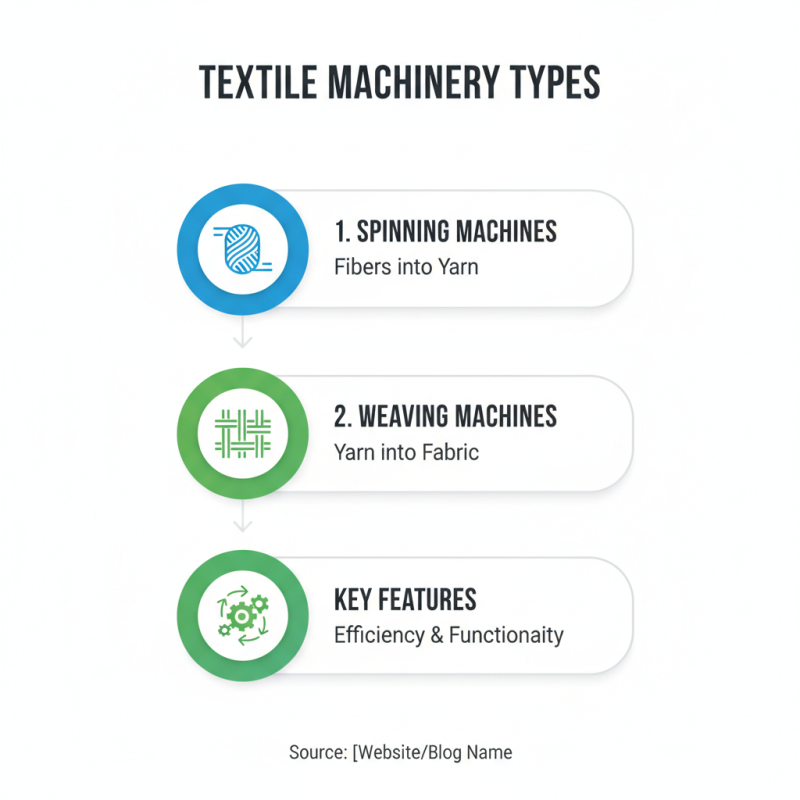
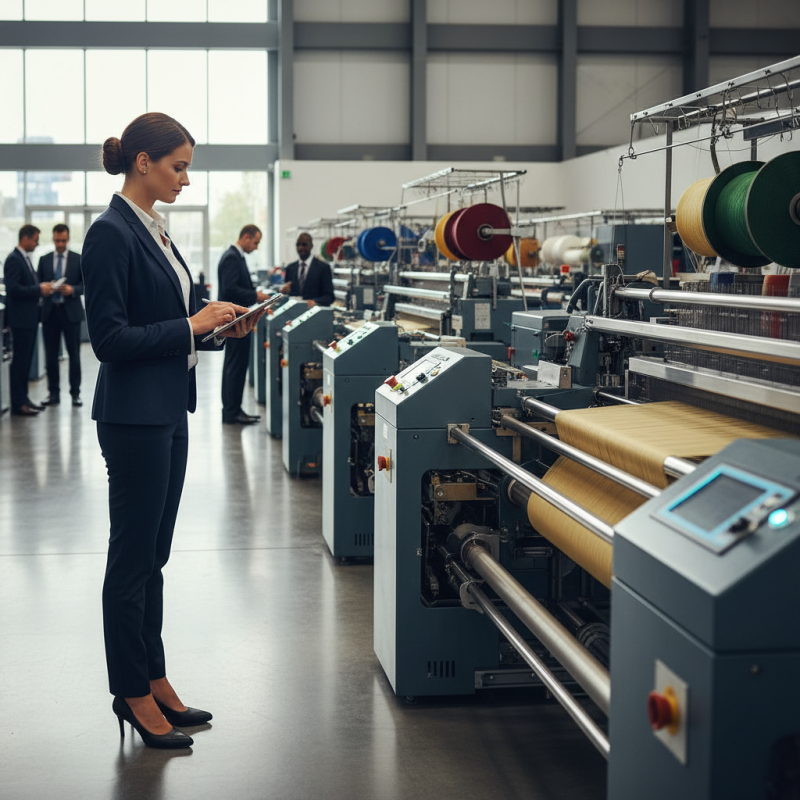
When exploring textile machinery, it's vital to understand the various types available. Different machines cater to distinct processes in production. Spinning machines turn fibers into yarn. Weaving machines interlace these yarns to create fabric. Each type has its unique features and functionalities, which can impact production efficiency.
Another important category is knitting machines. They produce knit fabrics by interlocking yarns. This method can be faster and more versatile than weaving. Additionally, finishing machines treat textiles to enhance their properties. Treatments can include dyeing, printing, or applying coatings. Understanding these types helps buyers choose the right equipment for their needs.
It's worth noting that evaluating machinery also demands consideration of the technology used. Some machines incorporate automation, leading to higher productivity. Others may still rely on manual operation, which might slow down the process. Buyers must balance these aspects with budget constraints. Reflecting on long-term maintenance costs is crucial too. Choosing machinery is not just about price, but about future reliability and performance.
Evaluating the Quality and Durability of Textile Equipment
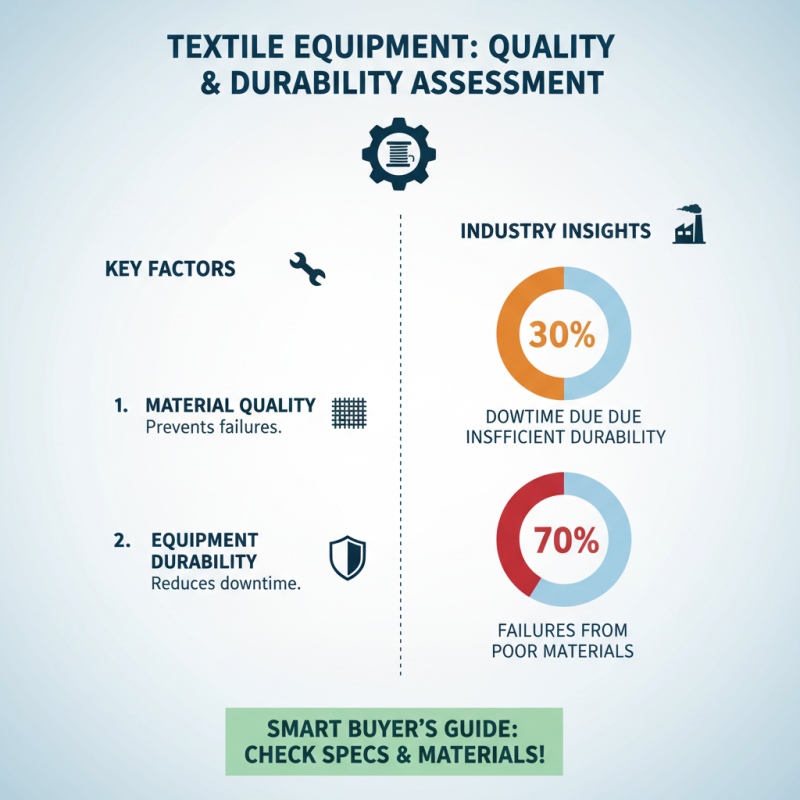
When evaluating textile machinery, quality and durability are crucial factors. A significant percentage of machinery failures stem from poor material choices. According to industry reports, nearly 30% of downtime is caused by insufficient equipment durability. This highlights the need for buyers to assess the specifications and materials used in manufacturing.
Tip: Check for certifications. Industry-standard certifications can indicate a level of quality assurance. This can help mitigate risks related to equipment performance. Additionally, understanding warranty terms can provide insight into the manufacturer's confidence in their product’s longevity.
Durability extends beyond the machinery’s initial quality. The environment plays a critical role in equipment lifespan. Machinery exposed to extreme conditions often experiences more wear and tear. Regular maintenance is essential yet often neglected. According to a survey, only 40% of companies adhere to a stringent maintenance schedule. Buyers should prioritize suppliers who offer comprehensive service agreements.
Tip: Look for feedback from other users. User reviews can highlight common issues and successes, serving as valuable information. Engaging with industry forums can provide insights about real-world performance. This can help make an informed purchasing decision, ultimately reducing the risk of costly replacements.
Analyzing Cost-Effectiveness: Initial Investment vs. Long-Term Savings
When purchasing textile machinery, examining the initial investment against long-term savings is crucial. Recent industry reports highlight that modern machinery can enhance efficiency, with some estimates showing a potential reduction in operational costs of up to 30%. This makes understanding cost-effectiveness vital for global buyers.
Investing in high-quality machinery may seem daunting at first. However, it often pays off over time. Companies that adopt energy-efficient machines report savings of approximately 25% on energy bills. Such data underscores the importance of considering long-term operational costs rather than just upfront expenses.
Tip: Research financing options available for new machinery. Flexibility in payment can ease initial financial strain. Additionally, consider total cost of ownership (TCO) metrics. Assess maintenance and uptime to determine the real value of your investment. A 2019 textile machinery report noted that machines with lower maintenance costs contribute significantly to overall profitability, sometimes by more than 15%. These insights invite reflection on how a balanced approach to spending can shape sustainable success.
Cost-Effectiveness Analysis of Textile Machinery
This chart illustrates the cost analysis associated with textile machinery, comparing initial investments and annual costs with long-term savings derived from energy efficiencies and reduced maintenance expenses.
Examining Supplier Credentials and After-Sales Support
When purchasing textile machinery, examining supplier credentials is crucial. Take the time to verify their industry experience and technical expertise. Look for suppliers with a track record of reliability and innovation. Research their partnerships with reputable manufacturers. This can serve as a testament to their capabilities. Supplier certifications can also offer insights into their compliance with safety and quality standards.
After-sales support is another vital factor. A good supplier should provide extensive technical support and readily available spare parts. Their ability to resolve issues swiftly can dramatically impact production efficiency. Many buyers face challenges in this area. Some suppliers may promise support but fail to deliver. Investigate their response times and customer feedback. Engage directly with previous clients to gain honest insights into their service quality. This diligence will help ensure you choose a supplier who stands by their products in the long run.
Staying Updated with Technological Innovations in Textile Machinery
Staying updated with technological innovations in textile machinery is crucial for global buyers. The textile industry is evolving rapidly, driven by advancements such as automation and artificial intelligence. According to Statista, global spending on textile machinery reached approximately $25 billion in 2022, indicating a significant investment trend. Buyers must understand this dynamic to remain competitive.
Embracing smart machinery can enhance productivity. Many manufacturers are integrating IoT technology into their machines, allowing real-time monitoring. Data from McKinsey highlights that companies adopting smart manufacturing can increase productivity by up to 30%. However, some buyers still rely on outdated equipment. This can lead to inefficiencies and increased operational costs.
Moreover, sustainability is becoming a key factor. The Global Sustainability Report suggests that 60% of buyers prioritize eco-friendly machinery. Buyers face challenges as not all suppliers provide adequate information on energy consumption and waste reduction. A lack of transparency can hinder their ability to make informed decisions. It's vital for buyers to seek suppliers committed to sustainable practices.