Top Tips for Choosing a Textile Making Machine for Your Needs?
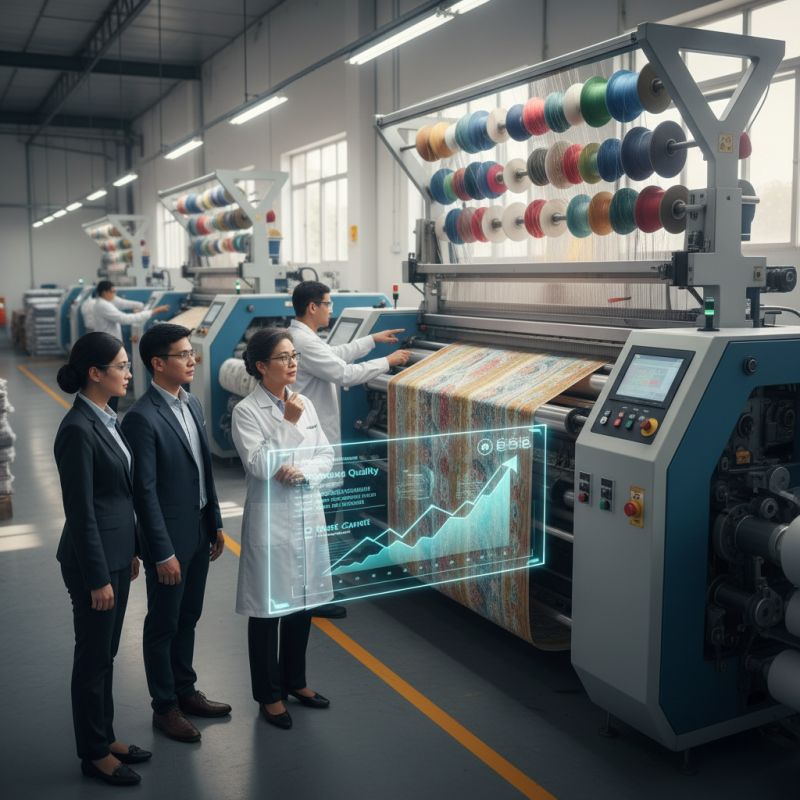
Choosing the right Textile Making Machine can impact production quality and efficiency. According to a report by Market Research Future, the textile machinery market is projected to reach $25 billion by 2025. This growth highlights the rising demand for innovative textile technology.
Renowned industry expert Dr. Emily Tan states, “Selecting the right machine is crucial for meeting production standards.” This emphasizes the need for careful evaluation. Various factors, such as machine specifications and production volume, come into play. A well-chosen Textile Making Machine can enhance product quality and reduce waste.
However, many manufacturers overlook these aspects, leading to inefficiencies. Understanding your unique requirements is essential. The market has many options, yet finding the best fit is often challenging. Investing time in research is necessary. Disregarding this step could lead to costly mistakes.
Understanding Your Textile Production Requirements
When choosing a textile making machine, it is crucial to understand your production needs. Identify the type of fabrics you want to create. Different machines serve different purposes. A spinning machine suits yarn production, while weaving machines are ideal for fabric creation. Consider the scale of your production. Are you creating small batches or large quantities? This difference affects the machine choice significantly.
Evaluate the specific features essential for your production. Look for machines that offer versatility. Automation could enhance efficiency, but manual options provide hands-on control. Think about the types of fibers you will work with. Natural fibers like cotton require different machinery compared to synthetic options. Additionally, reflect on your budget. Higher costs can lead to better quality, but sometimes more affordable choices meet basic needs.
It’s also important to consider the space you have available. Keep in mind that larger machines may require more floor space. Think about ease of use and maintenance as well. Some machines may seem user-friendly, yet can be complicated for beginners. As you weigh these factors, personal experiences and industry feedback can guide your decision. Balancing these aspects can be challenging but is vital for successful textile production.
Evaluating Different Types of Textile Making Machines
When evaluating different types of textile making machines, it’s essential to understand your specific needs. Consider the fabric types you will work with. Different machines handle various materials differently. For instance, a knitting machine is perfect for stretchy fabrics. However, it may not work well with heavier materials. Evaluating these aspects can save you time and frustration.
Another crucial factor is the machine's production capacity. Are you a small business or a large scale operation? A small unit may not keep up with high demand. Conversely, an oversized machine can be a significant investment with little return if your production needs are modest. It's a delicate balance and often leads to overthinking.
Maintenance requirements also play a significant role. Some machines need frequent servicing, which can disrupt production. Assessing your team’s skills is vital. If they lack technical expertise, a more complex machine might not be ideal. Knowing these limitations can lead to more informed choices. Ultimately, understanding your requirements can prevent costly mistakes and improve efficiency.
Top Tips for Choosing a Textile Making Machine
This chart compares three different textile making machines based on key factors that influence their performance. Evaluating these dimensions can help you make an informed decision.
Considering Machine Features and Specifications
Choosing the right textile making machine requires careful consideration of features and specifications. Think about the types of fabrics you will work with. Different machines are better suited for various materials. You may prioritize speed or precision depending on your needs.
Pay attention to machine durability. A robust build can save costs over time. Look for features like adjustable settings. They allow for greater versatility in your projects. Consider the machine's ease of maintenance. A complicated maintenance schedule might lead to frustrations and downtime.
Lastly, reflect on your production capacity. A high output machine might be tempting, but it could be overwhelming for a small operation. Ensure it fits your workflow. Sometimes, a slower machine may be more efficient in the long run. Evaluate all these aspects thoroughly to make an informed decision.
Top Tips for Choosing a Textile Making Machine for Your Needs
| Feature | Description | Importance | Recommended Value |
| Machine Type | Choose between weaving, knitting, or embroidery machines. | High | Based on your product requirements |
| Speed | The rate at which the machine produces fabric. | Medium | 100-200 meters/hour |
| Power Consumption | Energy required to operate the machine. | High | Less than 5 kW |
| Fabric Width | Maximum width of fabric the machine can handle. | Medium | 1.5 - 3.0 meters |
| User Interface | Ease of use, interface design for operators. | High | Touchscreen with intuitive layout |
| Maintenance Requirements | Frequency and complexity of machine upkeep. | High | Minimal with automatic lubrication functions |
Assessing Budget and Cost-Effectiveness
Choosing the right textile making machine requires careful consideration of your budget. The initial cost is only part of the equation. Operational expenses, maintenance, and potential downtimes can significantly impact long-term cost-effectiveness. According to a report from the Textile Machinery Association, machinery costs can vary widely. High-quality machines may cost more upfront but often provide better performance.
Operating costs remain a critical factor. A study revealed that energy-efficient machines can reduce electric bills by up to 30%. This adds up over time, making the initial investment worthwhile. Additionally, maintenance costs can fluctuate based on machine type. Regular upkeep is essential. Neglecting maintenance can lead to costly repairs or replacements.
Pricing comparison is vital. When reviewing options, consider not just the price tag but also warranties and service agreements. These can save money in the long run. An effective machine should balance cost and performance. Don't hesitate to gather quotes from multiple suppliers. Sometimes, hidden costs arise from expensive parts or inadequate support. Make informed choices to avoid potential pitfalls in your budget planning.
Researching Manufacturer Reputation and Support Services
When selecting a textile making machine, considering the manufacturer's reputation is crucial. Research shows that 70% of buyers prioritize manufacturer support when making their decisions. This is vital. A reputable manufacturer often offers excellent customer service and comprehensive support services. These can include training, troubleshooting assistance, and timely maintenance.
Buyer reviews and professional ratings can provide insights into a manufacturer's reliability. According to recent data, 65% of users reported better performance from machines backed by strong manufacturer support. Look for feedback about response times and the effectiveness of problem resolution. Engaging with current users can offer practical perspectives on the day-to-day operation of the machines.
Moreover, a manufacturer's ability to provide spare parts is essential. In fact, lack of accessible spare parts can lead to extended downtime. This can be detrimental for small businesses. A machine that is easy to maintain will ultimately save time and costs. However, not every manufacturer excels in this area, so careful evaluation is necessary.