Top 10 Tips for Choosing an Ultrasonic Fabric Cutting Machine?
Choosing the right ultrasonic fabric cutting machine can be a daunting task. With so many options available, it’s easy to feel overwhelmed. Industry expert Dr. Emily Carter emphasizes, “Investing in the correct ultrasonic fabric cutting machine can save time and resources." Her insights highlight the importance of making informed choices in this niche market.
An ultrasonic fabric cutting machine can greatly enhance productivity in various applications. These machines utilize high-frequency sound waves to cut through fabrics efficiently. This technology not only provides clean edges but also reduces fraying. However, not every model fits every business need. Pay attention to factors like power, frequency, and blade compatibility.
When selecting a machine, clarity on your specific requirements is crucial. Rushing the decision can lead to costly mistakes. Understanding your materials and production scale can prevent frustration later. Ultimately, the right choice can streamline your operations and improve overall quality.
Understanding Ultrasonic Fabric Cutting Technology
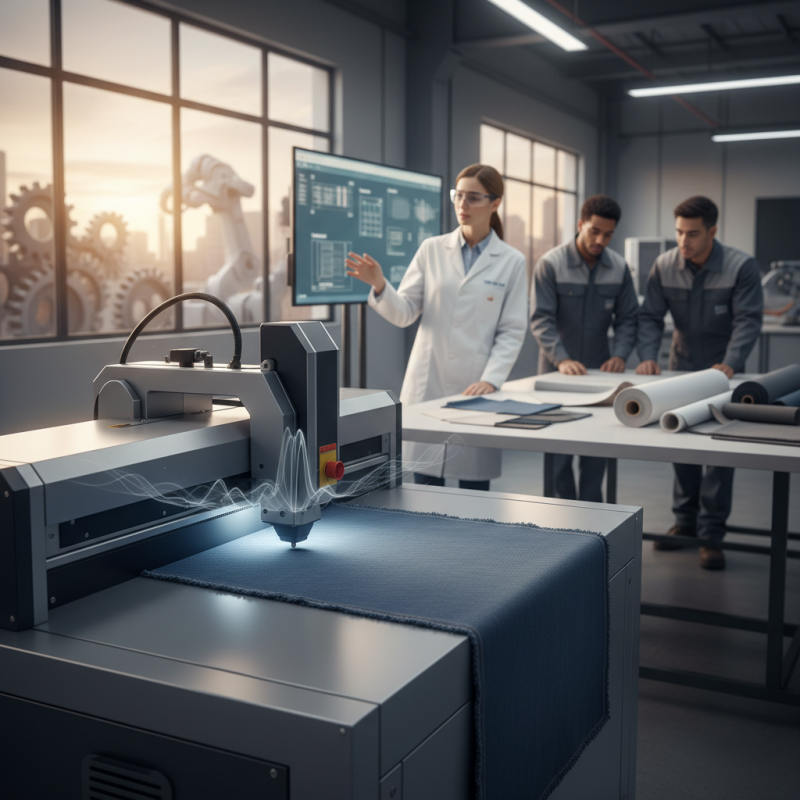
Understanding Ultrasonic Fabric Cutting Technology involves grasping how this innovative approach enhances textile processing. Ultrasonic cutting utilizes high-frequency sound waves to create heat. This heat melts the fabric edges, preventing fraying and ensuring clean cuts. Research reveals that ultrasonic systems can increase cutting speeds by up to 50%. This efficiency can significantly boost production rates.
Moreover, this technology reduces the need for additional finishing processes. Industries report a 30% decrease in material waste during ultrasonic cutting. This reduction contributes to more sustainable practices in fabric manufacturing. The precise nature of ultrasonic cutting allows for intricate designs that traditional methods cannot achieve. Manufacturers often face challenges when transitioning to this technology, including the need for specialized training and equipment.
Understanding these nuances can guide decisions about adopting ultrasonic machines. The performance of ultrasonic fabric cutters varies across different materials and thicknesses. Evaluating these factors is crucial for effective implementation. Data suggests that user experience plays a significant role in operational success. Regular feedback and training sessions can help users maximize the machine's capabilities.
Key Features to Consider in Ultrasonic Fabric Cutting Machines
When selecting an ultrasonic fabric cutting machine, specific features should be prioritized to ensure efficiency and effectiveness. A report by ResearchAndMarkets indicates that the ultrasonics industry will grow by 6% annually from 2021 to 2026. This growth is partly due to advancements in machine design and technology.
Key aspects to consider include cutting speed, precision, and blade wear. Ultrasonic machines often boast cutting speeds of up to 30 meters per minute. Precision of cuts can reach tolerances as small as ±0.1mm, which is vital for intricate designs. Blade wear is another critical factor. A high-quality ultrasonic cutting machine should maintain blade integrity longer than traditional cutting methods, minimizing downtime.
Moreover, user-friendly interfaces and programmable settings cannot be overlooked. An intuitive touchscreen allows operators to adjust settings quickly, enhancing productivity. However, some users report a learning curve with sophisticated features. Balancing advanced capabilities with simplicity is essential. Investing in a machine that blends these aspects can mitigate long-term risks and support continuous operation.
Top 10 Tips for Choosing an Ultrasonic Fabric Cutting Machine
| Key Feature |
Description |
Importance |
| Frequency Range |
Typically between 20 kHz and 40 kHz for effective cutting. |
High |
| Power Output |
Measured in watts, higher power provides better cutting efficiency. |
High |
| Weight |
Heavier machines tend to be more stable during operation. |
Medium |
| Cutting Speed |
Speed of cutting affects overall production rate. |
High |
| Ease of Use |
User-friendly interface and controls for smoother operation. |
High |
| Maintenance Requirements |
Regular maintenance needs can affect operational uptime. |
Medium |
| Safety Features |
Emergency stops and protective covers to ensure user safety. |
High |
| Versatility |
Ability to cut various fabric types increases usability. |
High |
| Warranty |
Length and coverage of warranty can indicate reliability. |
Medium |
| Price |
Cost considerations must align with budget and value. |
High |
Evaluating the Performance and Efficiency of Cutting Machines
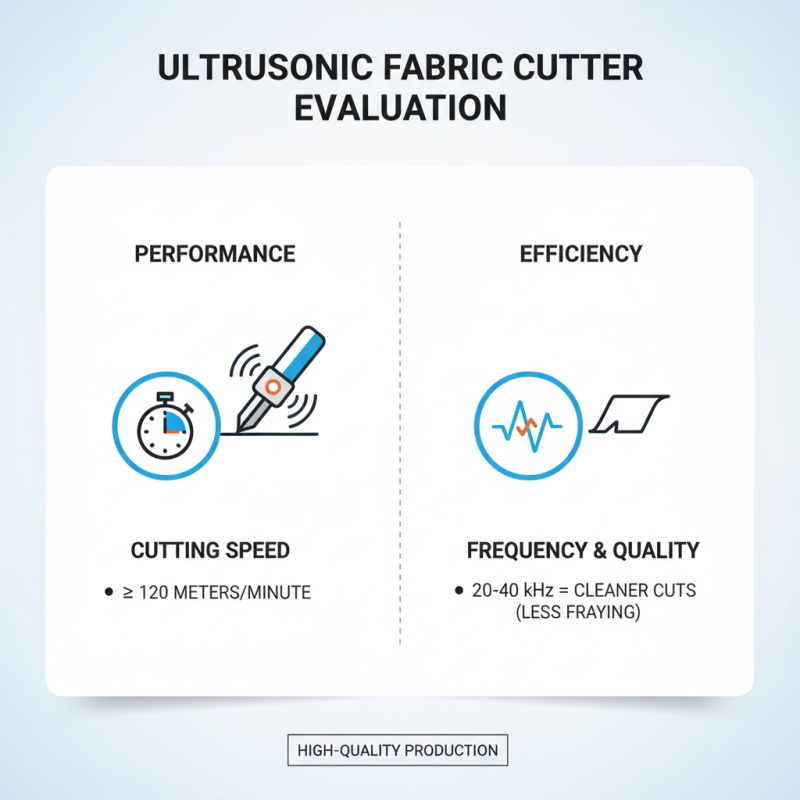
When evaluating the performance and efficiency of ultrasonic fabric cutting machines, several factors come into play. Speed is crucial; machines should operate at a cutting speed of at least 120 meters per minute. Recent reports indicate that machines with higher frequencies, ideally between 20 kHz and 40 kHz, achieve cleaner cuts. This frequency range minimizes fabric fraying, which is essential for high-quality production.
Accuracy also matters significantly. A machine’s ability to cut intricate designs without deviation impacts fabric waste and overall yield. According to industry research, an efficient ultrasonic cutter can reduce material waste by up to 30%. Maintenance frequency should not be overlooked either. Regular checks can prevent efficiency declines and unplanned downtime. In contrast, a lack of maintenance can lead to performance issues. It’s crucial to consider these factors to ensure that the machines align with the production goals of the fabric cutting operations.
Operators should also think about energy consumption. Machines consuming less than 5 kW per hour are generally more sustainable. However, some high-performance models may require more power. Balancing performance with operational costs remains a challenge. This requires careful analysis and reflection on operational needs. Consideration of these dimensions will guide better decision-making in selecting the right equipment.
Budgeting for Your Ultrasonic Fabric Cutting Machine Purchase
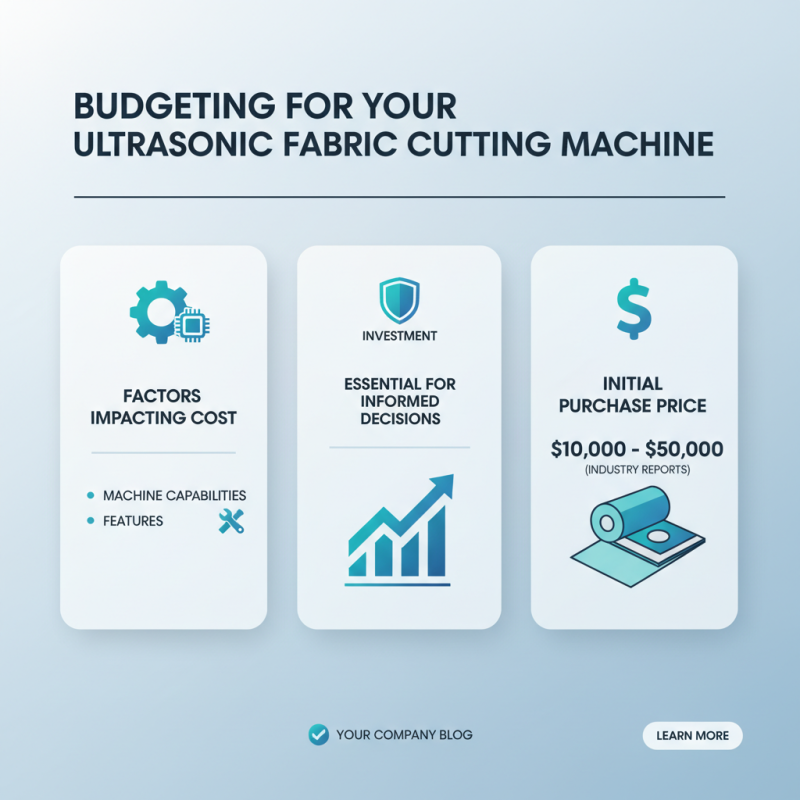
Budgeting for an ultrasonic fabric cutting machine can be challenging. Many factors impact the overall cost. As an investment, understanding these factors is essential for making informed decisions. Industry reports suggest that the initial purchase price ranges from $10,000 to $50,000. This range varies based on machine capabilities and features.
Maintenance is another critical aspect to consider. On average, maintenance can cost 10% of the machine's total price annually. This expense may include parts, labor, and potential downtime. Investing in machine training for staff is also advisable. Training costs can vary widely but should be factored into your budget. A well-trained operator can enhance productivity.
Many companies underestimate the cost of integration. Fabric handling and support equipment are often overlooked. Thorough integration can increase efficiency significantly. It may require additional funds, projecting a total investment beyond the initial machine cost. Balancing these factors is crucial. By doing so, you can ensure a more accurate budget for your ultrasonic fabric cutting machine.
Assessing After-Sales Support and Maintenance Options
When selecting an ultrasonic fabric cutting machine, after-sales support and maintenance options are crucial. A reliable support system can significantly reduce downtime. Investigate the availability of technical assistance. Quick responses to inquiries indicate a company’s commitment to service.
Consider the warranty and repair options offered. A longer warranty often reflects confidence in the machine’s durability. Ensure the company has local repair services or that parts are easy to obtain. This indicates a well-thought-out maintenance plan.
Tip 1: Research user reviews about after-sales service. Users often share their experiences about support response times. This can guide your decision-making.
Tip 2: Ask about training programs for operators. Proper training can minimize errors and shorten the learning curve. Well-trained staff tend to optimize the machine's performance.
Tip 3: Evaluate the maintenance schedule recommended by the manufacturer. Some machines may require more frequent check-ups. Regular maintenance can enhance the machine's lifespan and functionality, allowing for better productivity.