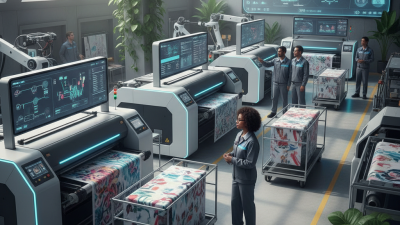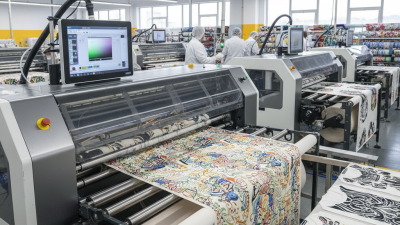
China has become a major manufacturing base for textile production equipment. This guide examines China’s top 10 fabric printing machine suppliers through practical and measurable criteria. These include machine performance, printhead options, ink compatibility, production speed, after-sales support, and documented export experience. Supplier websites alone are not enough. Factory visits, sample testing, and customer references often reveal more.
Market data explains why this comparison matters. Grand View Research valued the global digital textile printing market at approximately USD 2.49 billion in 2022. It also projected a compound annual growth rate of 12.1% from 2023 to 2030. Smithers has similarly reported continued expansion in digital textile printing, supported by shorter production runs, faster design changes, and reduced sampling waste. The numbers look impressive. Real purchasing decisions remain difficult.
Textile printing specialist Debbie McKeegan has stated, “Digital textile printing is the future of textile printing.” Her view reflects the shift from traditional screens toward flexible, data-driven production. However, not every fabric printing machine delivers the same results. A machine producing 600 square meters per hour may struggle with color consistency or maintenance. Another model may print more slowly but provide sharper details and stronger technical support.
This ranking considers both advertised specifications and practical usability. It also recognizes an unavoidable limitation: supplier information is not always independently verified. A ranking can never be completely neutral. Therefore, buyers should request printed samples, inspect nozzle-check patterns, and calculate ink, energy, labor, and maintenance costs before signing a purchase agreement. The best supplier is not always the cheapest one. It is the one that performs reliably on your fabric, workflow, and production volume.
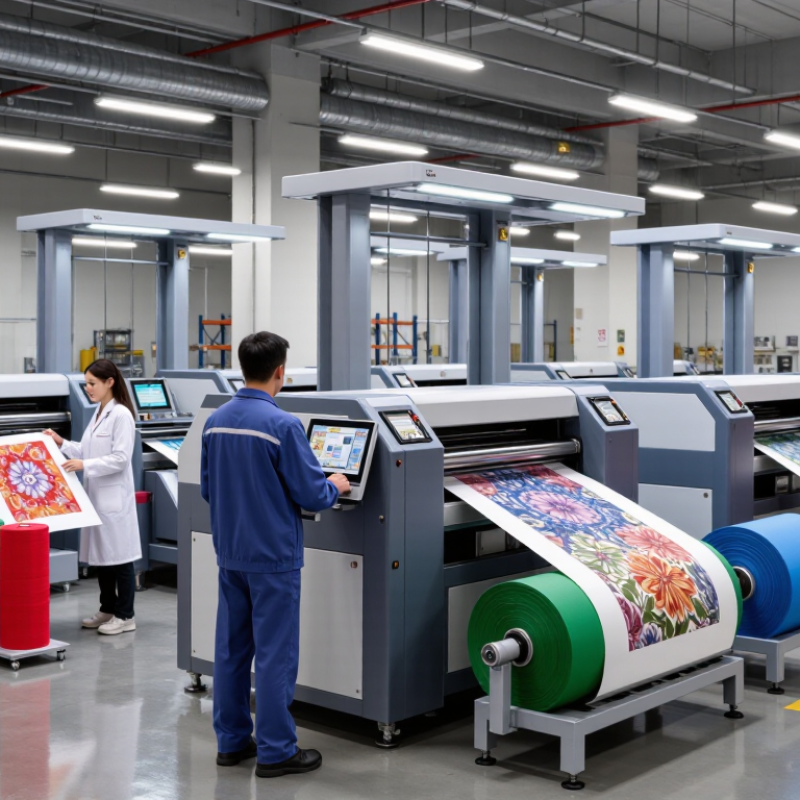
China’s top 10 fabric printing machine suppliers should be judged by performance, not visibility alone. Market research forecasts continued digital textile printing growth through 2028. Demand is rising for shorter production runs, customized patterns, and faster sampling. These changes favor machines that reduce setup time and material waste.
A reliable supplier should provide clear testing data. Check print speed, usable fabric width, color consistency, and drying stability. A machine producing 500 meters daily may slow sharply with dense patterns. Ask for samples using cotton, polyester, and blended fabric. Inspect small text, gradients, and repeated details under normal lighting. Printheads, ink systems, software, and maintenance access also deserve careful review.
Service quality often decides the real operating cost. Suppliers should offer installation training, remote diagnostics, spare parts, and documented maintenance schedules. Energy use matters too, especially when dryers run for long shifts. Environmental compliance must be verified through ink safety documents and responsible waste procedures. No supplier is perfect. A polished showroom can hide weak after-sales support. Buyers should compare machine performance over several weeks, not one impressive demonstration. Growth through 2028 may create more opportunities, but it may also expose suppliers with limited technical teams and inconsistent component quality. A detailed trial remains more trustworthy than a bold sales claim.
Anonymized supplier capability profiles based on commonly specified digital textile printing technologies and equipment configurations.
| Profile | Core Machine Category | Typical Print Width | Compatible Ink System | Primary Fabric Applications | Fixation or Finishing Method | Typical Production Role | Digital Growth Relevance Through 2028 |
|---|---|---|---|---|---|---|---|
| 01 | Industrial roll-to-roll reactive inkjet | 1.8–3.2 m | Reactive dyes | Cotton, viscose, linen and regenerated cellulose | Pre-treatment, steaming and washing | High-volume apparel and home textiles | Strong fit for customized cellulose fabrics and repeat production |
| 02 | Industrial pigment inkjet | 1.6–3.2 m | Water-based pigment inks | Cotton, polyester blends and mixed-fiber fabrics | Heat curing; often reduced washing demand | Short runs, sampling and multi-fiber orders | Supports lower-water workflows and flexible production |
| 03 | Dye-sublimation transfer printer | 1.6–3.2 m | Sublimation dyes | Polyester and polyester-rich fabrics | Calendar or heat-press transfer | Sportswear, flags, soft signage and décor | Well suited to on-demand polyester customization |
| 04 | Direct-to-fabric disperse inkjet | 1.6–3.2 m | Disperse dyes | Polyester woven and knitted fabrics | Drying and high-temperature fixation | Fashion, sportswear and interior textiles | Reduces transfer-paper handling in selected workflows |
| 05 | Acid inkjet textile printer | 1.6–2.6 m | Acid dyes | Nylon, silk, wool and polyamide blends | Steaming, washing and drying | Swimwear, scarves, silk goods and premium fashion | Enables high-detail printing on protein and polyamide fibers |
| 06 | Wide-format sublimation system | 3.2–5.0 m | Sublimation dyes | Polyester display fabric and event textiles | Large-format heat transfer | Flags, backdrops, exhibitions and retail graphics | Benefits from growth in flexible and reusable visual media |
| 07 | Compact textile sampling printer | 0.6–1.6 m | Pigment, reactive, acid or sublimation | Sample books and small fabric panels | Technology-dependent curing or steaming | Design studios, laboratories and product development | Supports faster sampling and reduced physical inventory |
| 08 | Hybrid screen and digital textile line | 1.8–3.2 m | Screen-print dyes or pigments plus digital inks | Cotton, polyester and blended fabrics | Line-specific curing, steaming or washing | Large repeats combined with variable digital effects | Bridges conventional volume printing and digital customization |
| 09 | UV-curable textile graphics printer | 1.6–3.2 m | UV-curable inks | Coated textiles, synthetic media and soft signage | Ultraviolet curing | Decorative graphics and specialty textile surfaces | Expands digital printing beyond conventional apparel fabrics |
| 10 | Automated industrial pigment line | 1.8–3.2 m | Water-based pigment inks | Natural, synthetic and blended fabrics | Inline pre-treatment and thermal curing | On-demand production and customized collections | Aligns with shorter lead times, smaller batches and lower setup waste |
A credible Top 10 list should measure suppliers against seven practical industry metrics. These include print resolution, production speed, color consistency, fabric compatibility, machine uptime, after-sales service, and total ownership cost. Resolution matters, but it cannot rescue unstable feeding or uneven ink absorption. During supplier evaluation, request test prints on cotton, polyester, and blended fabrics. Check fine lines, solid color areas, drying quality, and fabric distortion under normal production settings.
Supplier reliability needs evidence, not attractive brochures. Review installation records, technician response times, spare-parts availability, warranty coverage, and operator training. A strong supplier should explain maintenance intervals and expected consumable use clearly. Cost comparisons should include software, printheads, energy, ink, calibration, and downtime. A low purchase price may become expensive after repeated cleaning cycles. This is where many rankings become imperfect. They often reward visible specifications while underestimating factory support.
Tips: Ask for a live demonstration using your fabric. Measure output for at least four continuous hours. Speak with current users, but verify their production scale. Keep a scorecard for all seven metrics, using the same weights for every supplier. Do not ignore small details. A poorly designed access panel can waste hours during routine maintenance. Recheck the ranking after installation, because real performance may differ from showroom results.
China’s top ten fabric printing machine suppliers should be compared through evidence, not production claims. Their product ranges usually include direct-to-fabric inkjet printers, dye-sublimation systems, rotary machines, pigment printers, and heat-setting equipment. Grand View Research valued the global digital textile printing market at about USD 2.5 billion in 2022 and expects strong growth through 2030. That demand rewards suppliers with stable printheads, accurate color control, and serviceable drying units.
Technology reveals practical differences. Some suppliers focus on reactive printing for cotton, while others target polyester sportswear with sublimation systems. Pigment technology can reduce pretreatment needs, although wash durability still requires careful testing. Production speed matters, but so does downtime. A machine running at 80 meters per minute is less useful if calibration takes hours. This is where supplier experience becomes visible.
Market coverage also needs scrutiny. Export-oriented suppliers commonly serve garment, home-textile, signage, and customized fashion markets across Asia, Europe, and the Americas. Each supplier profile should identify installation records, spare-part availability, operator training, and verified customer references. Certifications may include ISO 9001 for quality management, ISO 14001 for environmental systems, and CE-related safety compliance for applicable markets. These labels are not interchangeable. Buyers should request current certificates, test scopes, and issuing-body details. ITMF industry surveys continue to show pressure for shorter runs and flexible production, but supplier brochures often simplify this reality. Testing real fabric samples remains essential.
China Top 10 Fabric Printing Machine Suppliers?
Comparing fabric printing equipment requires more than reading headline specifications. Many machines advertise 1,200–2,400 dpi resolution and speeds from 30 to 100 m/min. In production, usable speed often falls below the advertised figure. Ink type, fabric tension, drying capacity, and pass settings can change results quickly. A 2,400 dpi setting may sharpen small lettering, but it can also increase ink use and reduce output. I have seen faster settings create banding on lightweight polyester. That detail is easy to miss.
Tips: Request a sample test using your own fabric, artwork, and drying profile. Measure color consistency, registration accuracy, ink consumption, and completed rolls per hour. Ask whether the stated speed applies to draft mode or saleable quality. Check maintenance records, printhead access, software stability, and operator training. A clear service response matters as much as resolution.
For a fair comparison, test 30, 60, and 100 m/min under identical conditions. Inspect gradients, fine lines, dark areas, and fabric edges under standard lighting. Record stoppages, cleaning time, and curing performance. Reliability is not always dramatic. It appears in fewer interruptions during a long shift. Some supplier data may be optimistic, so independent testing remains essential. I would also leave room for doubt: one successful sample does not prove consistent production quality.
When comparing a top-ten shortlist of fabric printing machine suppliers, calculate total cost beyond the invoice. A 2024 Grand View Research report estimated the digital textile printing market at about USD 2.7 billion in 2023. Growth attracts buyers, but fast growth does not guarantee fast payback. Record machine price, installation, software, pretreatment, drying, labor, electricity, maintenance, wastewater handling, and rejected fabric.
Ink deserves a physical test. Ask each supplier to print the same fabric, image, and coverage. Measure ink consumption in milliliters per square meter, color accuracy, drying time, and wash resistance. Request production records from comparable users. A useful trial includes a full shift, not one attractive sample. Small differences matter. A 2 ml/m² saving can become substantial at monthly volumes above 20,000 m².
Service quality often decides uptime. Check technician response times, local spare-parts stock, remote diagnostics, training hours, and preventive-maintenance schedules. The 2023 Smithers report, The Future of Digital Textile Printing to 2028, identified productivity and shorter delivery cycles as major adoption drivers. Calculate payback with conservative output, not the supplier’s maximum speed: payback period equals total investment divided by monthly incremental gross profit. Include downtime and financing costs. My spreadsheet still feels optimistic sometimes. That discomfort is useful; test weaker assumptions before signing.