What Are the Top 10 Long Sleeve Types for Buyers?
Choosing the right Long Sleeve style is not a simple matter of comparing photographs. Buyers must examine fabric weight, cuff construction, shoulder movement, climate, and expected use. A soft cotton jersey may suit daily layering, while a structured poplin sleeve can support office wear. Small details matter. Cuffs reveal quality.
Joanne Entwistle, a leading dress studies scholar, writes, “Dress is the boundary between the body and the social world.” Her observation helps explain why sleeve design affects more than appearance. It influences comfort, mobility, warmth, and personal presentation. For buyers, this means evaluating Long Sleeve products through real wearing conditions, not attractive descriptions alone. A sleeve that looks elegant online may twist at the elbow or restrict reaching. That problem is easy to miss.
This guide examines ten important Long Sleeve types, including raglan, dolman, bishop, bell, batwing, and fitted sleeves. Each type serves a different practical and visual purpose. Some work well for active movement. Others create volume or formal structure. There is no universal winner. That is worth remembering.
The comparison considers material behavior, seasonal suitability, sizing, care requirements, and likely customer expectations. It also recognizes a common weakness in buying guides: they often praise style without measuring performance. We will question that habit. A useful Long Sleeve choice should look appropriate, feel comfortable, and remain reliable after repeated washing. That standard may sound demanding. It should be.
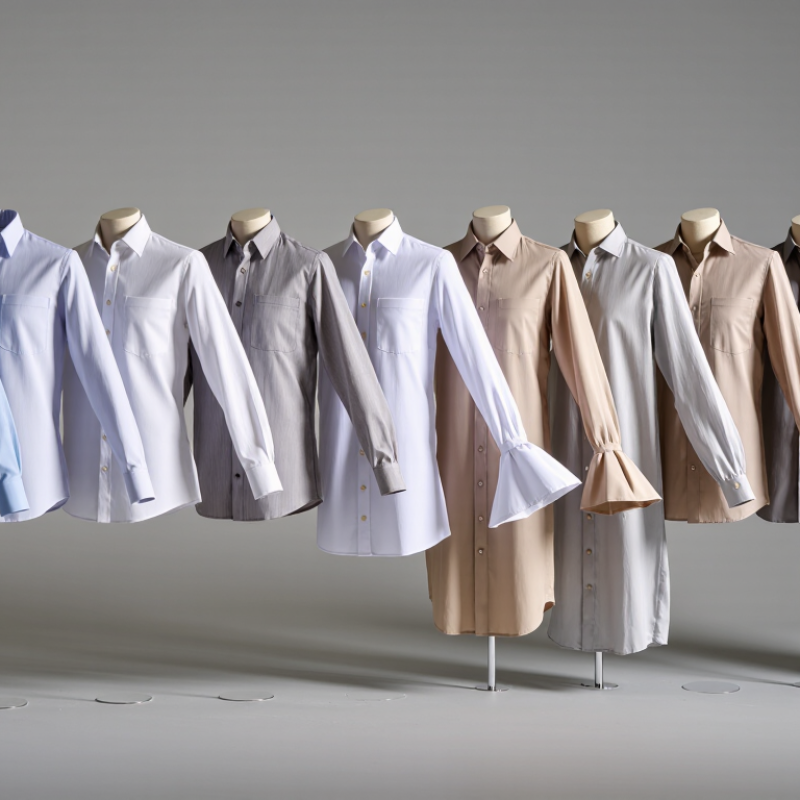
What Defines a Long-Sleeve Type and How Buyers Compare Them
A long-sleeve type is more than a sleeve reaching the wrist. Buyers should examine the neckline, cuff, cut, fabric weight, and construction. A crew-neck shirt has a simple round collar and layers easily. A turtleneck covers the neck, while a henley uses a short button placket. Raglan sleeves angle from the collar, allowing broader shoulder movement. Thermal styles use textured knits, while compression styles rely on close stretch. These details shape different buying decisions.
When comparing the top ten types, buyers should match design with task, climate, and washing routine. Measure sleeve length with the arm relaxed, not stretched. Check whether the cuff stays flat during repeated movement. For workwear, reinforced seams and stable fabric may matter more than decoration. For active use, moisture control, stretch recovery, and smooth seams deserve closer inspection. A soft fabric can still fail if it pills quickly. Ask for fiber content, size tolerance, care instructions, and production samples. Supplier claims need evidence.
In practical purchasing, I compare at least three samples after washing and air-drying them. Small differences become obvious. One shirt may fit well but twist at the side seam. Another may feel warm yet restrict the wrists. Price alone is a weak guide. Bulk orders can expose grading errors between sizes, which are easy to miss from one sample. No type wins every test. I would record comfort, durability, shrinkage, and appearance before choosing. This method still has limits because real users move differently.
Top 10 Long-Sleeve Types Buyers Compare
Typical fabric weight is a practical comparison point because it affects warmth, drape, durability, and layering comfort.
The figures show representative fabric-weight midpoints in grams per square metre (gsm) for commonly sold garment constructions. Lightweight base layers and button-up shirts are generally easier to layer, while sweatshirts, cardigans, rugby shirts, and thermal styles typically provide more warmth and structure. Actual weight varies by material, knit density, fit, and finishing.
The Top 10 Long-Sleeve Types by Design, Fabric, and Function
For buyers, “long sleeve” describes more than extra coverage. The best choice depends on design, fabric, and intended use. During fitting reviews, I check shoulder movement, cuff recovery, seam comfort, and shrinkage after washing. Fit still wins.
Four design-led options remain practical: the classic crew neck, buttoned Henley, sporty raglan sleeve, and protective mock neck.
A crew neck layers easily, while a Henley offers adjustable ventilation. Raglan seams support arm movement, although they may look less structured on narrow shoulders. Mock necks retain warmth, but some wearers dislike pressure around the throat.
Fabric changes the garment’s character. Cotton jersey feels familiar, breathable, and easy to maintain. Merino wool regulates warmth well, yet it needs careful washing and can exceed budget expectations. Thermal waffle knit traps air through its textured surface, making it useful for cold conditions.
I once assumed heavier fabric meant better insulation. That judgment was too quick. Moisture, fit, and wind exposure also matter.
Function creates the final three types: compression sleeves, UV-protective shirts, and moisture-wicking performance tops.
Compression styles support a close, stable fit, but overly tight panels can reduce comfort. UV-protective fabric helps during outdoor exposure when its rating is tested and clearly stated. Moisture-wicking tops move sweat away from the skin, though they may retain odor without proper washing.
Buyers should inspect fiber content, seam quality, care labels, and return measurements. Test the fabric in motion. Small details often decide long-term satisfaction.
Key Factors Buyers Should Check Before Choosing a Long-Sleeve Style
What Are the Top 10 Long Sleeve Types for Buyers?
When buyers compare long-sleeve garments, style should not be the only decision. The ten common options include crew neck, V-neck, henley, turtleneck, mock neck, raglan, thermal, compression, button-down, and dolman sleeves. Each suits a different body shape, activity, or temperature. A thermal layer may help outdoors, while compression fabric needs careful sizing. Check the sleeve opening. Loose cuffs trap air, but tight cuffs can restrict movement. Good choices begin with intended use, not a product photograph.
Fabric deserves practical testing. Cotton feels familiar, yet it can hold moisture during long wear. Merino regulates temperature well, though some buyers dislike its texture. Synthetic blends often dry faster and resist wrinkles. Look at seam density, stretch recovery, collar shape, and care instructions. A dense stitch pattern can improve durability, but it may add weight. Buyers should check measurements for chest, shoulder, arm length, and garment length. Do not trust size labels alone. Sizing varies, even within similar cuts.
I once selected a slim raglan shirt by shoulder width alone. After several hours, the underarm felt restrictive. That mistake changed my fitting process. I now raise both arms, sit down, and inspect fabric tension before purchasing.
For button-down styles, check button spacing and gaping across the chest. For turtlenecks and mock necks, assess neck comfort and heat retention. Care costs matter too. A garment requiring delicate washing may not suit frequent workwear. Buyers should record what failed after use, not just what looked attractive online. That evidence is imperfect, but it is more useful than polished claims.