Top 10 Benefits of Using Automatic Fabric Inspection Machines?
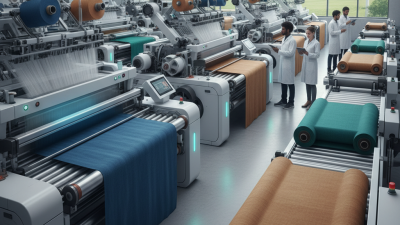
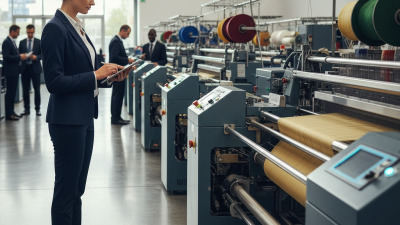
In the fast-paced textile industry, quality control plays a crucial role. Manufacturers constantly seek efficient solutions to ensure fabric integrity. One innovation that stands out is the automatic fabric inspection machine. This technology revolutionizes how factories assess fabric quality.
Automatic fabric inspection machines detect defects with remarkable precision. They identify issues like stains, holes, and misprints. By utilizing advanced algorithms, these machines provide consistent results, minimizing human error. Companies can save time and reduce waste, leading to improved profitability.
However, implementing these machines is not without challenges. Initial investment costs can be significant. Additionally, staff training is essential to maximize operation effectiveness. Despite these hurdles, the advantages of using automatic fabric inspection machines often outweigh the drawbacks. Ultimately, they represent a transformative shift in quality assurance practices within the fabric production process.
Understanding Automatic Fabric Inspection Machines
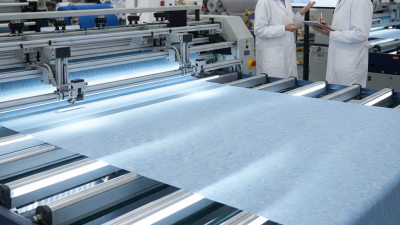
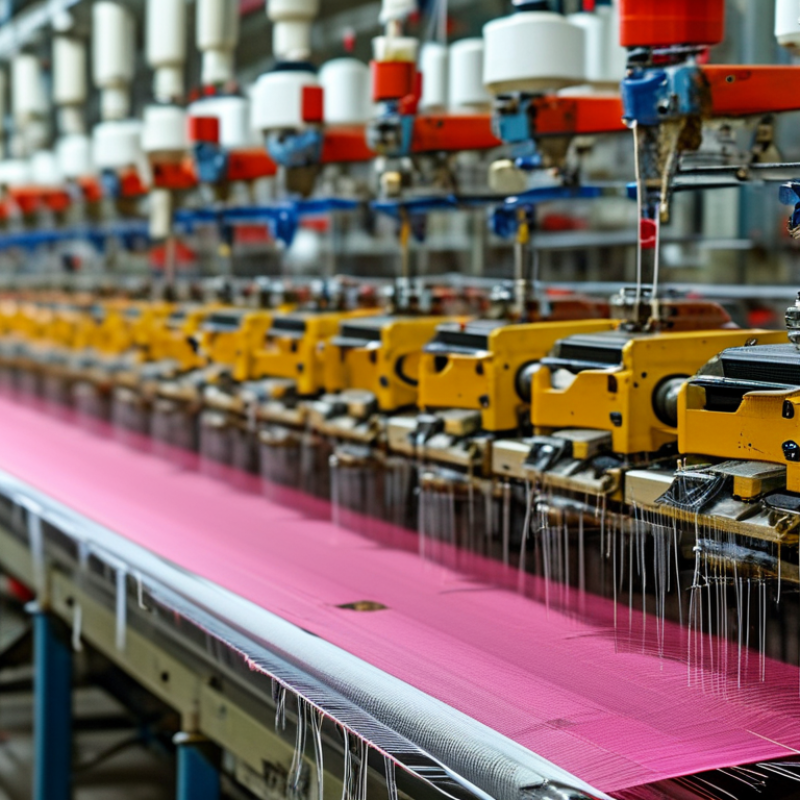
Automatic fabric inspection machines represent an essential advancement in textile quality control. These machines streamline the inspection process, ensuring each roll of fabric meets industry standards. They are equipped with high-resolution cameras that detect imperfections such as holes, stains, and color inconsistencies. With automatic inspections, manufacturers can reduce the risk of human error significantly. This technology allows for consistent assessments, fostering trust among stakeholders.
Integrating these machines into production lines offers environmental benefits too. Automated systems can help minimize waste by promptly identifying defective materials. However, reliance on technology may create challenges. For instance, machines might overlook minor defects that trained human inspectors could catch. Moreover, the initial cost of installation can be a barrier for smaller manufacturers. Balancing efficiency with quality assurance remains crucial. Relying solely on machines without supplementary human checks can lead to oversights. As the industry evolves, finding a synergy between automation and skilled labor will be vital for maintaining high standards.
Key Features of Automatic Fabric Inspection Technology
Automatic fabric inspection technology offers several key features that significantly enhance quality control in the textile industry. One prominent benefit is its ability to detect defects in real time. According to recent industry reports, over 70% of textile defects can be detected through automated systems, resulting in fewer resource waste and increased revenue. The technology employs advanced algorithms and machine learning to identify issues like color mismatches, weaving errors, and stains.
Another critical feature is the integration of data analytics. These machines collect vast amounts of data during inspections. This data can reveal patterns and trends in fabric quality, enabling manufacturers to adjust processes proactively. Research indicates that companies using automated inspection systems have improved their defect detection rates by nearly 40% compared to manual methods. This increase can lead to more efficient production cycles and higher customer satisfaction.
Lastly, the user-friendly interfaces of these machines allow for easy operation. Operators require minimal training to utilize these advanced technologies effectively. However, it's essential to note that technology isn't infallible. Occasionally, complex fabric patterns may still pose challenges. Thus, while 90% accuracy is common, some limitations can occur, prompting continuous evaluation. The balance between automation and human oversight remains crucial for achieving optimal quality results.
Top 10 Benefits of Using Automatic Fabric Inspection Machines
Enhanced Accuracy in Defect Detection
In the textile industry, accuracy is vital. Automatic fabric inspection machines bring a new level of precision. They utilize advanced algorithms and high-resolution cameras to detect defects. This technology identifies issues like color variations, tears, and misalignments quickly. Human inspectors may miss subtle flaws, but machines do not. Enhanced accuracy in defect detection minimizes waste and improves production quality.
Traditional methods of inspection are often time-consuming and prone to human error. Machines continuously scan fabric with meticulous attention. This leads to more reliable outcomes and higher customer satisfaction. Companies experience fewer returns due to defective products. In a competitive market, maintaining quality is essential.
However, implementing these systems can come with challenges. Initial setup costs may be significant. Staff training is also necessary to ensure smooth operation. While machines enhance defect detection, they are not infallible. Some issues may still escape the algorithm's notice. It is crucial for businesses to regularly review and refine their processes. Embracing technology is beneficial, but vigilance is still key.
Time and Cost Efficiency in Fabric Production
In the fast-paced world of fabric production, efficiency is essential. Automatic fabric inspection machines provide a significant boost. They can detect defects quickly, saving time compared to manual inspections. This speed reduces downtime on production lines. When efficiency increases, so do profit margins. Workers can focus on more critical tasks instead of tedious inspection.
Cost savings also play a vital role. Manual inspections require a dedicated workforce. Training and personnel costs can add up quickly. Automatic machines cut down on labor expenses. They can inspect vast amounts of fabric without fatigue, offering consistency in quality control. Yet, initial investment costs can be daunting for many businesses.
Despite the advantages, potential users should weigh their options carefully. Not all machines are perfect for every type of fabric. Different materials may require different inspection techniques. Fabric producers should consider their specific needs before purchasing. The transition to automation might involve a learning curve. Adopting new technology isn't always seamless. It requires commitment and a willingness to adapt.
Improved Quality Control Processes with Automation
Automatic fabric inspection machines enhance quality control processes significantly. They offer accurate detection of fabric defects, ensuring each roll meets high standards. Visual inspections are prone to human error. Automation minimizes this risk, allowing teams to focus on critical tasks.
Implementing these machines saves time. They can analyze fabrics in real-time, drastically reducing inspection time. This swift feedback loop aids manufacturers in adjusting production quickly. Additionally, consistent inspections lead to a more reliable output. However, reliance on automation demands regular maintenance and calibration to avoid malfunctions.
Using these machines can also lead to overconfidence in the processes. Teams might neglect manual checks altogether, thinking automation is flawless. A balanced approach is essential. Integrating both manual and automatic methods might yield the best results, ensuring no defects slip through. Regular training and reviews can help maintain high standards in quality control.
Top 10 Benefits of Using Automatic Fabric Inspection Machines
| Benefit |
Description |
| Enhanced Quality Control |
Improves the detection of fabric defects during production, ensuring only high-quality products reach consumers. |
| Reduced Labor Costs |
Reduces the need for manual inspection, allowing staff to focus on more complex tasks, thus lowering labor expenses. |
| Increased Efficiency |
Automated inspection processes are faster compared to manual evaluation, increasing overall production rates. |
| Consistent Results |
Machines provide a standardized inspection process, minimizing variability and human error. |
| Real-time Data Analysis |
Offers immediate feedback on fabric quality, allowing for quick adjustments in production processes. |
| Better Traceability |
Maintains detailed records of inspections which aids in tracking quality over time. |
| Improved Safety |
Reduces the risk of workplace injuries associated with manual inspection tasks. |
| Scalability |
Easily adjustable to handle varying production scales without compromising quality. |
| Cost-effectiveness |
Long-term savings on quality compliance and returns due to defects can outweigh initial equipment costs. |
| Enhanced Customer Satisfaction |
Higher quality products lead to improved customer experiences and loyalty. |