Top 10 Box Die Cutting Options at China Import and Export Fair?
Box Die Cutting is a vital process in many industries, especially in packaging and manufacturing. As companies look for efficient production methods, the demand for high-quality die-cutting solutions continues to grow. Reports indicate that the global die-cutting machines market is expected to reach **$4.5 billion** by 2027, reflecting a steady growth rate of **4.2%** annually. This growth presents numerous opportunities for suppliers to showcase their latest innovations at events like the China Import and Export Fair.
The upcoming **139th Canton Fair** will highlight top Box Die Cutting options among advanced manufacturing trends. This event will take place from **April 15 to May 5, 2026**, divided into three phases, spanning a massive **155,000 square meters**. Notably, the introduction of AI technology will enhance the experience for buyers, allowing them to find certified suppliers efficiently. However, with so many options available, how do buyers discern quality amid the competitors?
Moreover, while die-cutting technology advances, challenges remain. Suppliers must address issues like precision and material compatibility. Potential buyers may face uncertainty regarding sourcing. As the industry grows, understanding these dynamics is crucial for stakeholders to navigate the evolving landscape effectively, ensuring they make informed decisions about Box Die Cutting technologies and partners.
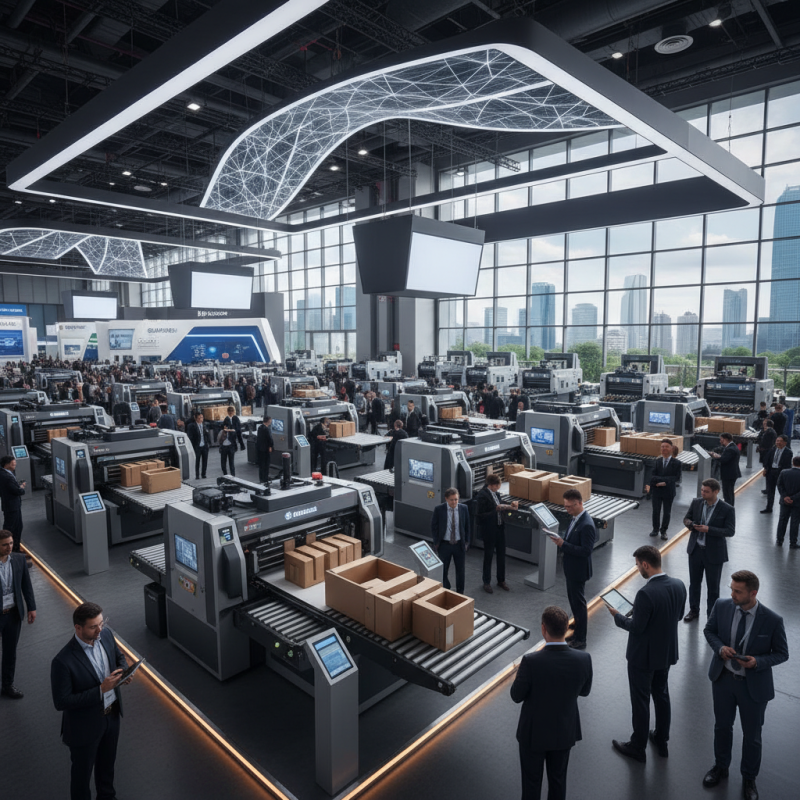
Overview of Box Die Cutting Techniques
Box die cutting has become essential in the packaging industry. It creates various custom shapes from cardboard and other materials. This process allows businesses to produce unique boxes tailored to their needs. Many techniques are available, each with unique advantages and disadvantages.
Choosing the right die cutting method can be tricky. Techniques range from flatbed to rotary die cutting. Flatbed die cutting offers precision for intricate designs, while rotary methods provide speed for larger runs. Consider the order size and design complexity when deciding. Each option has its learning curves, making it vital to understand limitations.
**Tips:** Test your die designs on smaller batches first. This approach helps refine your design. It also saves costs and time. Also, keep in mind that not all materials hold the same level of detail. Experiment with various stocks to find the best fit for your project.
Remember, quality checks are crucial. Inspect cuts for any defects or inconsistencies. It is easy to overlook details during production. Regular evaluations ensure that each batch meets your standards and keeps your brand image intact.
Top 10 Box Die Cutting Options at China Import and Export Fair
| Technique | Material Type | Application Area | Speed (units/hour) | Cost (USD) |
| Flatbed Die Cutting | Paperboard | Packaging | 500 | 800 |
| Rotary Die Cutting | Corrugated Board | Shipping Boxes | 1200 | 1500 |
| Laser Die Cutting | Plastic | Custom Shapes | 300 | 2000 |
| High-Speed Die Cutting | Cardboard | Mass Production | 1800 | 2500 |
| Digital Die Cutting | Vinyl | Short Runs | 100 | 1200 |
| Steel Rule Die Cutting | Paper | Labels | 800 | 700 |
| Water Jet Die Cutting | Composite Materials | Industrial Parts | 200 | 3000 |
| Kiss Cutting | Adhesive Sheets | Stickers | 1000 | 600 |
| Embossing Die Cutting | Specialty Papers | Greeting Cards | 400 | 1500 |
| Multi-Process Die Cutting | Mixed Materials | Custom Products | 600 | 2500 |
Key Features of Box Die Cutting Options
Box die cutting is an essential process in packaging and design. At the China Import and Export Fair, various options are showcased. These options prioritize efficiency and precision. Different machines offer unique features suited for various needs.
One notable feature is the adjustable cutting height. This allows customization for different box sizes. Another important detail is the speed of the machines. Some can produce hundreds of boxes per hour. However, it's crucial to consider the trade-off between speed and quality. A fast machine may not always deliver perfect results.
Sustainability is also a focus. Many options use eco-friendly materials and technologies. This leads to a positive impact on the environment. Yet, not all manufacturers prioritize this aspect. It raises questions about long-term practices in the industry. Quality assurance is vital, yet sometimes overlooked during mass production. Balancing cost and quality remains a common challenge for many buyers.
Top Manufacturers of Die Cutting Machines at the Fair
The China Import and Export Fair showcases various die cutting machines. This event highlights top manufacturers providing innovative solutions for businesses. Attendees can find a diverse selection of die cutting options to meet their needs. These machines vary in size, speed, and precision.
When exploring options, consider functionality first. Different manufacturers offer various features. Some machines handle thicker materials better. Others are designed for precision cutting of smaller items. Think about what fits your production needs best. Take time to evaluate each machine closely. Test their capabilities when possible.
Tips: Check for after-sale service when choosing a machine. Reliable support can save time and money. Also, keep an eye on energy consumption. Efficient machines can lower operating costs significantly. Planning is crucial. Reflect on your specific requirements before making a purchase.
Comparison of Different Box Die Cutting Materials
When looking at box die cutting materials, the choices can be overwhelming. Commonly used materials include cardboard, paperboard, and corrugated sheets. Each material has its unique characteristics that affect performance. Cardboard is lightweight and cost-effective, often preferred for standard packaging needs. Paperboard offers a smoother finish, appealing for high-quality prints. Corrugated sheets provide strength and durability, ideal for heavier items.
However, the decision isn't always clear-cut. Some may choose cardboard for its affordability but sacrifice quality. Others may opt for high-end paperboard, leading to higher costs without significant benefits. Corrugated sheets might be overkill for lighter products, pushing expenses up unnecessarily. It's important to balance functionality and budget.
In the end, testing different materials can reveal unexpected outcomes. A well-chosen material enhances packaging quality. But even the best choices may have limitations. Frequent revisions and adjustments might be necessary to achieve the desired results. Understanding specific needs is key. Careful evaluation ensures the right material is chosen, avoiding pitfalls in the process.
Future Trends in Box Die Cutting Technology
Box die cutting technology is evolving rapidly. Innovative methods are being introduced to enhance efficiency and reduce waste. Automation plays a significant role in these advancements. Machines are now capable of handling multiple materials and designs at once. This flexibility allows businesses to cater to diverse client needs. As a result, the ability to create custom boxes faster than ever is crucial.
There is a growing trend towards sustainability in this industry. Many manufacturers are exploring eco-friendly materials. Reducing the carbon footprint is a priority for many companies. However, transitioning to greener practices can be challenging. The initial investment may deter some. Additionally, not all eco-materials perform well under high-speed production settings. This is an area where further experimentation is needed.
Another trend to watch is digital die cutting. It offers precision and customization, which are essential for modern packaging. Unlike traditional methods, digital die cutting can easily adapt to changes. Yet, this technology requires skilled operators. The learning curve can be steep for some. Training staff on new systems takes time and resources, leading to potential delays. Balancing innovation with practical capabilities is crucial for success.
Top 10 Box Die Cutting Options at China Import and Export Fair