Top Fabric Inspection Machine Solutions for Global Buyers?
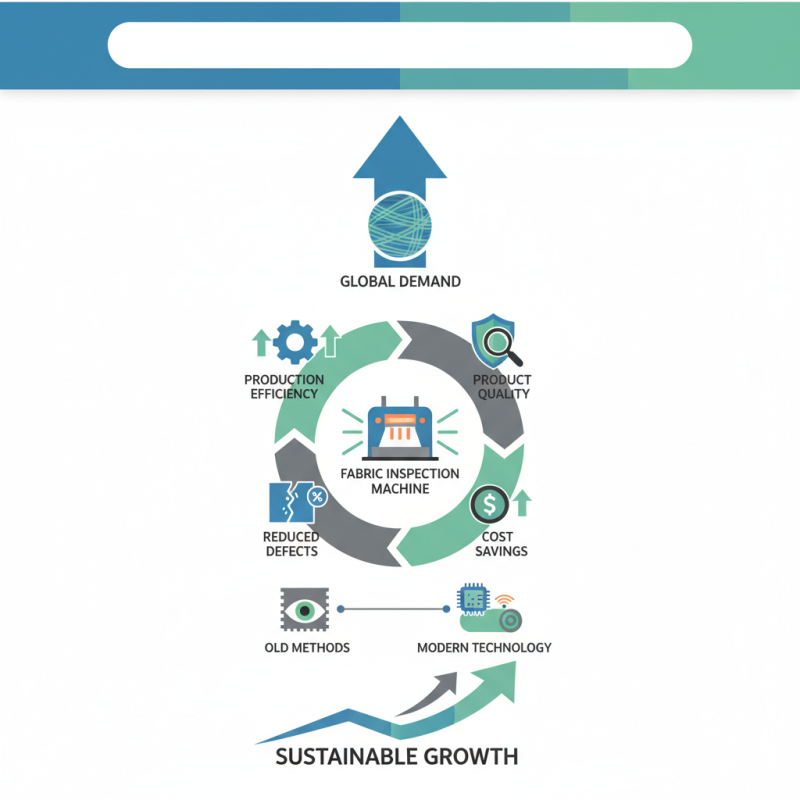
The demand for fabric inspection machines has surged in recent years. According to a report by Market Research Future, the global textile inspection machine market is projected to grow at a compound annual growth rate (CAGR) of 4.5% from 2021 to 2027. As the textile industry expands, ensuring quality becomes paramount. Fabric inspection machines are critical for identifying defects in textiles, which affects production efficiency and product quality.
In the competitive landscape of fabric manufacturing, these machines play a vital role. They help detect flaws such as uneven dyeing, weaving errors, and surface damages. A study by TechNavio indicated that about 30% of fabric defects can be identified through automated inspection processes. However, many manufacturers still rely on outdated methods, which can lead to costly errors and waste. The evolution of fabric inspection technology is crucial, yet the industry faces challenges in adapting to these advancements.
Investing in fabric inspection machines not only improves quality but also enhances operational efficiency. Some buyers may hesitate due to high initial costs. This creates an opportunity for improvement. Manufacturers need to evaluate the long-term benefits of quality control versus short-term expenditures. In this dynamic market, staying informed about the latest fabric inspection solutions is key for achieving sustainable growth.
Top Fabric Inspection Machine Solutions for Global Buyers
When sourcing fabric inspection machines, global buyers face various challenges. These machines play a vital role in maintaining quality standards. Ensuring consistency in fabric quality can impact overall production efficiency. Choosing the right machine involves considering different factors. Features, price, and technology all influence decision-making.
Experience is essential in selecting an inspection solution. Buyers should understand the diverse needs of different textiles. Some fabrics require specific testing methods, which not all machines provide. Seeking expert insights can help buyers navigate the options available. Evaluating the technology behind each solution is crucial. Advanced automation can enhance accuracy and reduce labor costs. However, investing in overly sophisticated machines may lead to operational difficulties.
Reliability is another key factor. A machine that frequently breaks down can cause significant delays. It's important to review maintenance requirements and after-sales support. Flexibility in machine functions is beneficial for adapting to various fabrics. However, machines that try to do too much may compromise on quality for each function. This balance is vital for a sustainable investment in quality control.
Overview of Fabric Inspection Machines in the Textile Industry
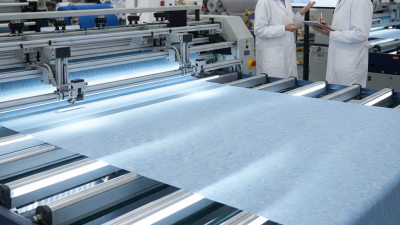
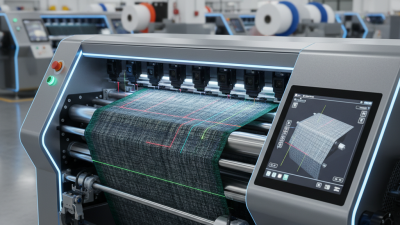
Fabric inspection machines play a critical role in the textile industry. These machines help ensure the quality of fabrics before they are used in production. They identify defects such as tears, stains, or inconsistencies in texture. This quality control step is vital for maintaining standards.
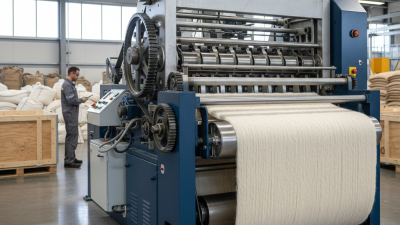
Different types of fabric inspection machines exist, each designed for specific tasks. Some machines are automated, while others require manual operation. The choice often depends on the scale of production and the types of fabrics being inspected. For example, lightweight fabrics may need different handling than heavier materials. Despite advancements, some flaws can still slip through the cracks. This highlights the importance of human oversight in the inspection process.
Moreover, integrating advanced software can enhance the accuracy of inspections. This technology assists in data collection, trend analysis, and error detection. Yet, reliance on technology introduces new challenges like potential malfunctions or software bugs. Balancing technology and human expertise is crucial for optimal results. As the industry evolves, ongoing training and adaptation will be essential for all operators.
Key Technologies Driving Fabric Inspection Machine Efficiency
The efficiency of fabric inspection machines is largely driven by key technologies that enhance their performance. Advanced imaging systems play a crucial role. High-resolution cameras allow for detailed inspection, identifying even the smallest defects in fabric. These systems can operate at varying speeds, accommodating different production requirements. However, there are still challenges in achieving consistent lighting, which can affect detection accuracy.
Another notable technology is artificial intelligence. AI algorithms analyze images in real-time, improving defect classification and reducing false positives. This reduces the need for manual inspections, saving time and labor costs. Yet, as often seen, the integration of AI can sometimes lead to over-reliance. Machines may misinterpret data without proper training data.
Moreover, automation in fabric inspection enhances workflow. Automated systems can quickly pivot between fabrics, adapting to diverse inspection criteria. This flexibility can be beneficial, but it requires ongoing adjustments and monitoring to maximize potential. Continuous innovation is needed to keep up with evolving fabric types and inspection needs. Despite advancements, the industry's journey toward flawless inspection technology continues.
Top Fabric Inspection Machine Solutions for Global Buyers
| Solution Type |
Key Technologies |
Efficiency Improvement (%) |
Key Features |
| Automatic Optical Inspection |
Image Processing, AI Algorithms |
30% |
Real-time detection, high accuracy |
| Ultrasonic Testing |
Ultrasonic Waves |
25% |
Non-destructive testing |
| Laser Inspection |
Laser Scanning Technology |
28% |
High resolution, fast processing |
| Color Analysis Systems |
Spectrophotometry |
20% |
Accurate color matching |
| Fabric Stretch Testers |
Force Gauges, Load Cells |
22% |
Durability assessment |
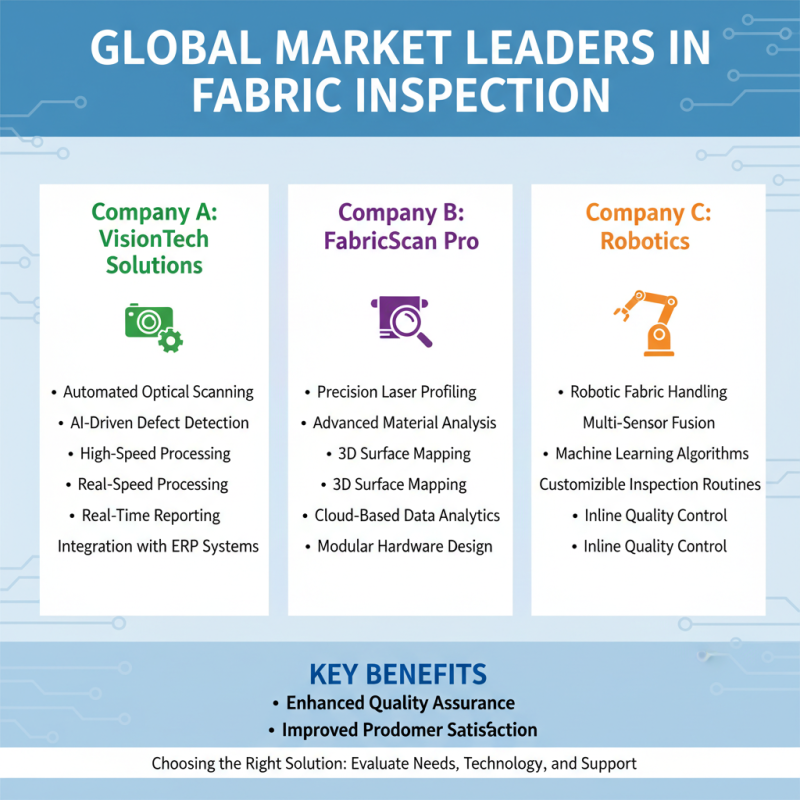
Comparison of Global Market Leaders in Fabric Inspection Solutions
In the competitive landscape of fabric inspection solutions, numerous global market leaders offer advanced technologies to meet diverse needs. Each company presents unique features, making it imperative for buyers to evaluate their options carefully. Quality assurance is crucial in the textile industry, where even minor flaws can affect production and customer satisfaction.
When comparing these market leaders, consider key factors like machine accuracy, speed, and the versatility of fabric types they can handle. User-friendly interfaces empower operators to perform inspections efficiently. Reliability should not be overlooked; a machine that frequently malfunctions leads to costly delays.
Tip: Look for machines that provide real-time data analytics for informed decision-making. This feature enhances productivity and allows for swift quality control adjustments. Additionally, weigh maintenance costs against the initial investment. Sometimes, a cheaper option may incur higher operational expenses, ultimately affecting your bottom line. Ensure thorough research and site visits if possible, to gauge performance firsthand. A well-informed choice will lead to long-term benefits in both quality and efficiency.
Statistical Analysis of Fabric Defect Reduction Through Automation
The evolution of fabric inspection has been spurred by the need for efficiency and quality control in textile production. Statistical data indicates that automation can lead to a significant reduction in fabric defects, with studies showing a decrease of up to 30% in defects when advanced inspection machines are employed. These machines utilize high-resolution imaging and artificial intelligence to detect anomalies with precision.
Moreover, a report by the Textile Industry Association reveals that companies implementing these technologies report higher customer satisfaction rates. This often correlates with enhanced brand loyalty. However, challenges remain. Many factories still rely on manual inspection, which can be inconsistent and prone to human error. There is a growing need to bridge this gap by integrating automated solutions more widely.
While the benefits of automated fabric inspection are clear, not all buyers are ready to invest in these solutions. Cost and the complexity of integration into existing systems can be barriers. A careful analysis of the return on investment is essential. The experience of those who have adopted these innovations underscores the importance of a gradual transition. Balancing automation with skilled labor may hold the key to achieving optimal results in fabric quality.
Statistical Analysis of Fabric Defect Reduction Through Automation
This chart illustrates the reduction of fabric defects through various automated inspection solutions over a span of five years. The percentage of defect reduction is measured as an average across multiple implementations, showcasing the effectiveness of automation in quality control.
Conclusion
The article "Top Fabric Inspection Machine Solutions for Global Buyers" provides an in-depth exploration of the critical role that fabric inspection machines play in the textile industry. It begins with an overview of the machines, highlighting their importance in ensuring fabric quality and performance. Key technologies that enhance the efficiency of these machines are discussed, revealing how innovations contribute to more accurate inspections and streamlined operations.
Additionally, the article examines the competitive landscape by comparing global market leaders in fabric inspection solutions, providing insights into their strengths and technological advancements. Statistical analysis indicates significant reductions in fabric defects attributed to automation, showcasing the transformative impact of these machines. Lastly, the article outlines future trends in fabric inspection technology, emphasizing increased international demand driven by the evolving needs of the textile market.