Top 10 Fabric Inspection Machines for Quality Control?
In the textile industry, quality control is crucial. A fabric inspection machine plays a vital role in ensuring that fabric meets standards. Without proper inspection, defects may go unnoticed. This can lead to significant losses for manufacturers.
Choosing the right fabric inspection machine is challenging. Numerous options are available, and each varies in features and performance. Understanding what to look for in a machine is essential for effective quality control. The ability to detect even minute flaws can save companies from costly errors.
This article explores the top 10 fabric inspection machines on the market. These machines are designed to enhance efficiency and accuracy in inspection processes. Investing in reliable equipment boosts a company’s reputation. Each machine on the list is evaluated based on features, user feedback, and industry standards. A well-informed choice leads to better product quality.
Overview of Fabric Inspection Machines and Their Importance
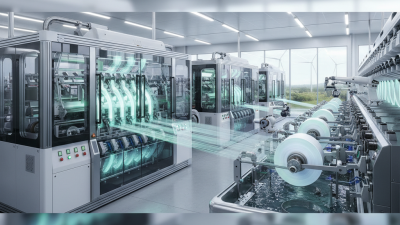
Fabric inspection machines play a crucial role in maintaining the quality of textiles. They help identify defects that might go unnoticed during manual inspection. These machines can detect issues such as color inconsistencies, fabric tears, and weaving errors. By automating this process, manufacturers can ensure a high standard of quality control.
The importance of fabric inspection machines cannot be overstated. Quality assurance directly affects customer satisfaction and brand reputation. If a product arrives with defects, it can lead to returns and damage trust. However, reliance on machines means we must continuously evaluate their effectiveness. Sometimes, they may miss subtle faults, which prompts a need for human oversight. Balancing automation with human intuition could be key for future improvements.
Investing in advanced technology is essential. Companies must ensure that their inspection systems adapt to new fabric types and production methods. The evolving textile landscape demands flexible solutions. Regular maintenance and updates to inspection machines are necessary to sustain performance. Without proper care, even the best machines can fall short of expectations.
Key Features to Consider When Choosing a Fabric Inspection Machine
When selecting a fabric inspection machine, several key features must be carefully considered. One crucial aspect is the inspection speed. A high-speed machine can significantly enhance productivity. However, faster machines might miss defects, so a balanced speed is essential. Ensure the machine has adjustable settings to cater to varying fabric types and thicknesses.
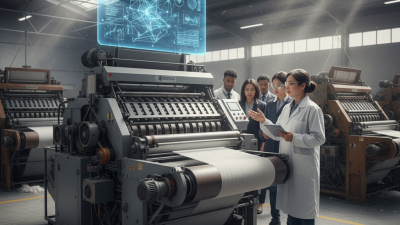
Another important feature is the automation level. Fully automated machines typically reduce human error, but they can be complex to operate. Training staff on these machines is vital to maximize efficiency. Manual machines offer flexibility, but they require more hands-on time, raising the risk of oversight. Evaluate your team’s skills when choosing.
Additionally, consider the machine's detection technology. Advanced imaging systems can identify small defects invisible to the naked eye. Yet, relying solely on technology can lead to complacency. It's essential to incorporate regular manual checks into the quality control process. By integrating both automated and manual methods, you can create a robust inspection strategy that minimizes risks and ensures fabric quality.
Top 10 Fabric Inspection Machines Recommended for Quality Control
When it comes to fabric inspection machines,
quality control is essential in the textile industry. These machines ensure that fabrics meet
specific standards before they reach consumers. They detect defects like uneven dye, holes,
or miswoven threads. Each machine offers unique features that can significantly improve
efficiency and accuracy.
Many companies face challenges during inspections. Some machines might struggle with delicate
materials or thick textiles. The inspection process can be time-consuming,
often requiring manual input. However, the right fabric inspection machine can streamline operations.
Many workers report increased productivity when these machines are integrated. They provide
detailed reports that help in understanding fabric quality.
It's important to remember that no machine is perfect. Regular maintenance and calibration are
necessary for accurate results. Each model has its limitations,
necessitating careful selection by your team. Understanding these intricacies can lead to
better decision-making in quality control processes. Investing in an appropriate fabric inspection machine
means fewer defects in the final product and higher customer satisfaction.
Comparative Analysis of Fabric Inspection Machine Brands and Models
When selecting fabric inspection machines, various brands and models stand out. Each has its unique strengths and weaknesses. A comparative analysis reveals important factors to consider. For instance, some machines offer advanced imaging technology. This can enhance defect detection. However, these models might have steeper learning curves.
Another critical aspect is the machine's throughput capacity. Some may process large volumes quickly. Yet, speed can compromise precision. Users must evaluate whether speed or accuracy is the priority. Price is often a significant factor in decision-making. Some high-end machines may seem daunting. Their features might not justify the cost for smaller operations.
User feedback plays a crucial role in this comparative analysis. Often, reviews highlight specific issues. For example, service support may lag behind expectations. Additionally, maintenance costs can be underappreciated. It's essential to reflect on these elements before choosing a machine. Making an informed decision requires balancing various aspects.
Future Trends in Fabric Inspection Technology and Quality Assurance
The future of fabric inspection technology is rapidly evolving. Innovations are emerging that enhance quality assurance processes. These advancements are driven by automation, machine learning, and enhanced imaging systems. Machines now can identify defects with precision and speed, reducing human error.
Emphasis is on real-time feedback. Inspecting fabrics in real time allows for immediate adjustments in production. However, the reliance on technology raises questions. Can machines fully replace human expertise? While they improve efficiency, some intricate inconsistencies may still elude detection.
Sustainability is another trend shaping this industry. Eco-friendly materials are becoming the standard. Inspection machines must adapt to handle these new fabrics. This shift challenges existing systems that may not accommodate unusual textures or compositions efficiently. As technology progresses, the industry must reflect on its adaptability. Balancing innovation with quality remains a complex task.
Top 10 Fabric Inspection Machines for Quality Control
| Machine Model |
Type |
Inspection Speed (m/min) |
Detection Accuracy (%) |
Features |
| Model A |
Automated |
100 |
98 |
Real-time monitoring |
| Model B |
Manual |
50 |
95 |
User-friendly interface |
| Model C |
Semi-automated |
75 |
97 |
Integrated camera system |
| Model D |
Automated |
120 |
99 |
Data analysis capabilities |
| Model E |
Automated |
90 |
96 |
AI-powered analysis |
| Model F |
Manual |
45 |
94 |
Portable design |
| Model G |
Semi-automated |
85 |
97 |
User customizations |
| Model H |
Automated |
110 |
99 |
Multi-fabric detection |
| Model I |
Manual |
40 |
90 |
Affordable option |
| Model J |
Automated |
130 |
98 |
High-tech sensors |