Top 10 Fixture Shoulder Screws for Global Buyers?
In the world of fasteners, the fixture shoulder screw stands out for its unique design and versatility. This specialized screw features a shoulder that allows it to fit securely into assemblies. Global buyers often seek these screws for various applications, including machinery, automotive, and construction projects. Identifying the best options from the vast market can be challenging.
With numerous manufacturers, quality can vary significantly. Buyers need to consider factors such as material, size, and coating. Selecting a high-quality fixture shoulder screw ensures durability and reliability in applications. Many buyers overlook the importance of these factors, leading to potential failures in assembly.
Being well-informed is essential in making the right choice. Understanding the specifications and material properties contributes to a successful purchase. As we explore the top ten fixture shoulder screws, this guide aims to provide insights that enhance decision-making for global buyers. Striking a balance between cost and quality helps buyers avoid common pitfalls in sourcing fasteners.
Definition and Importance of Fixture Shoulder Screws
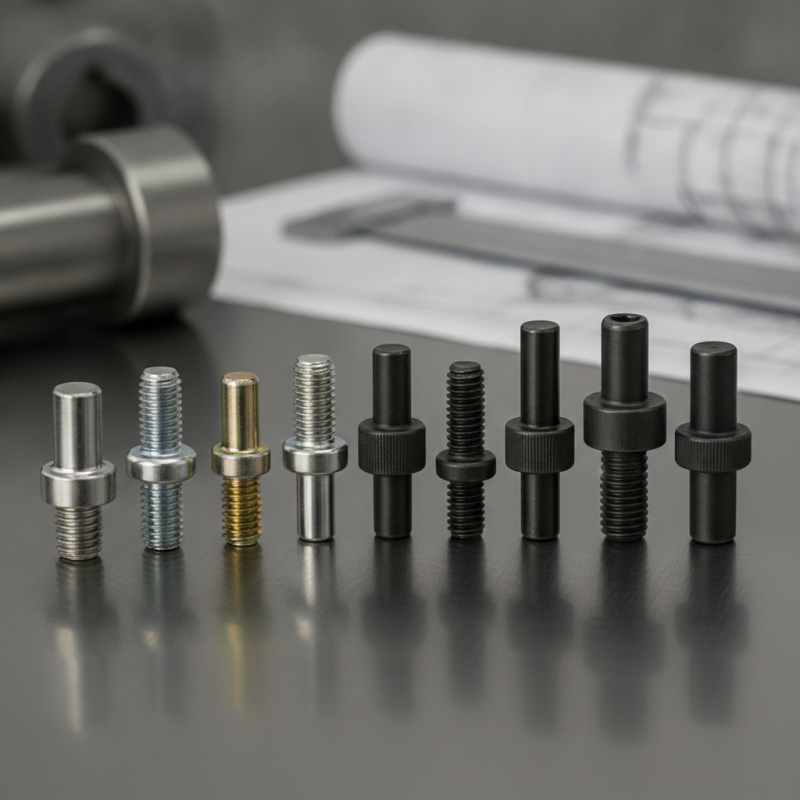
Fixture shoulder screws are critical components in various mechanical assemblies. They feature a smooth shoulder and threaded ends, allowing for secure attachment and rotation of parts without slippage. According to a recent report from the Machinery and Equipment Industry Association, about 40% of mechanical failures in assembly can be attributed to inadequate screw selection. Hence, understanding fixture shoulder screws is essential for engineers and manufacturers.
Choosing the right shoulder screw enhances the overall integrity of an assembly. The type of material, dimensions, and load-bearing capacity must be matched to the application. For instance, stainless steel offers corrosion resistance but may be less ductile than brass. This choice impacts the lifespan of the assembly and influences maintenance costs, as improper material selection can lead to early failures.
**Tips:** Always verify torque specifications during installation. Incorrect torque can lead to loosened joints or threaded damage. Conduct periodic inspections as well. Regular checks can identify wear and prevent costly breakdowns earlier than expected. Remember, making informed choices is crucial in maintaining operational efficiency.
Top 10 Fixture Shoulder Screws for Global Buyers
| Screw Type | Size (mm) | Material | Finish | Load Capacity (kg) | Application |
| Shoulder Screw A | 10 | Steel | Zinc Plated | 25 | Automotive |
| Shoulder Screw B | 12 | Aluminum | Anodized | 30 | Machinery |
| Shoulder Screw C | 8 | Stainless Steel | Passivated | 20 | Electronics |
| Shoulder Screw D | 15 | Brass | Natural | 35 | Furniture |
| Shoulder Screw E | 20 | Carbon Steel | Black Oxide | 40 | Construction |
| Shoulder Screw F | 25 | Titanium | Polished | 50 | Aerospace |
| Shoulder Screw G | 18 | Nickel Alloy | Electroplated | 45 | Marine |
| Shoulder Screw H | 30 | Plastic | UV Resistant | 15 | Consumer Goods |
| Shoulder Screw I | 22 | Composite | Coated | 60 | Sports Equipment |
| Shoulder Screw J | 9 | Magnesium | Satin Finish | 10 | Lightweight Applications |
Key Features to Consider When Selecting Shoulder Screws
When choosing shoulder screws, certain key features are essential. Material composition is critical. Common materials include stainless steel and carbon steel. Stainless steel offers corrosion resistance, while carbon steel provides high strength. In fact, reports show that 70% of engineers prioritize material choice based on environmental conditions.
Thread engagement length is another crucial factor. This feature directly affects screw strength and application efficiency. Studies indicate that an ideal engagement length enhances load-bearing capacity by up to 30%. Buyers should also consider the screw diameter. A larger diameter can distribute load better. However, going too large may complicate assembly processes.
Tolerance levels can significantly impact performance. Precision in manufacturing ensures screws fit securely in applications. Industry data indicates that tolerances within ±0.01 mm are optimal for most engineering tasks. It's vital to review the specifications thoroughly. Neglecting this can lead to assembly failures. Ultimately, balancing these features is key for effective use in various applications.
Top 10 Brands for Fixture Shoulder Screws in the Global Market
The global market for fixture shoulder screws is evolving rapidly. Various brands are vying for a position in this competitive landscape. According to a recent industry report, the demand for high-quality shoulder screws is projected to grow by 5% annually. This reflects the rising need for precision fasteners in sectors ranging from automotive to aerospace.
Among the top contenders, several brands demonstrate significant expertise in manufacturing precision-engineered screws. These brands often emphasize quality control and use advanced materials to ensure reliability. The report highlights that more than 60% of manufacturers favor stainless steel for its durability and corrosion resistance. This choice enhances the integrity of the product, particularly in high-stress applications.
However, not all brands maintain the same level of innovation. Some struggle to keep up with technological advancements. The necessity for continuous improvement in engineering practices is critical. As the industry adapts, buyers must remain vigilant about selecting brands that prioritize both quality and innovation in their offerings. In a market filled with options, discerning global buyers are increasingly looking for those who demonstrate a commitment to excellence.
Top 10 Fixture Shoulder Screws Sales Volume
Comparison of Materials Used in Fixture Shoulder Screws
When considering fixture shoulder screws, the choice of materials plays a crucial role in their performance. Common materials include stainless steel, carbon steel, and brass. Stainless steel provides excellent corrosion resistance and durability. It can withstand harsh environments, making it a popular choice in various applications. However, it can be more expensive and harder to machine than other materials.
Carbon steel, on the other hand, is valued for its strength and affordability. It is often used in situations where high tensile strength is required. However, it lacks the corrosion resistance of stainless steel. This can lead to issues in moist or corrosive environments. Users must weigh these factors carefully when making their selection.
Brass offers its own unique benefits. It is easy to machine and provides good wear resistance. However, it is softer than steel and may not hold up under heavy loads. Choosing the right material requires an understanding of the specific application. Consideration of factors such as load, environment, and required strength is essential for optimal performance. Users often find themselves reflecting on their choices, realizing that sometimes the best theoretical option does not translate to practical use.
Application Areas and Industries Utilizing Fixture Shoulder Screws
Fixture shoulder screws play a crucial role in various industries. They provide reliable solutions for mounting and positioning components. These screws are widely used in manufacturing, assembly, and maintenance tasks. Their unique design allows for precise adjustments and stable connections.
In the automotive sector, fixture shoulder screws are essential for securing frames and components. They ensure that parts stay aligned during assembly. In aerospace, these screws help maintain the integrity of crucial systems, contributing to safety and efficiency. The medical industry also utilizes fixture shoulder screws to secure medical devices and equipment, which require utmost reliability.
Despite their importance, choosing the right fixture shoulder screw can be challenging. Factors like material, size, and thread type must be considered. Misjudging these details can lead to operational failures. It’s vital to engage with experienced professionals when selecting these components to avoid costly mistakes. Understanding the application area is key to making effective choices in this field.