Top 10 Gear Motors for Efficient Industrial Applications?
In the rapidly evolving industrial landscape, selecting the right Gear Motor is crucial. Industry expert Dr. Emily Carter states, "A well-chosen gear motor can enhance efficiency significantly." Gear motors play a vital role in automation, driving machinery and processes across various sectors.
Not all gear motors perform the same. Each application has unique demands. You might find that what works for one situation fails in another. The performance varies depending on design, size, and load capabilities. Understanding these differences can prevent costly mistakes.
Choosing the top gear motors requires knowledge and experience. It is essential to evaluate specifications carefully. Often, unexpected challenges arise when integrating gear motors into existing systems. This complexity underscores the need for thorough research. Investing time in understanding your options can yield benefits later. Strive for optimal efficiency; the right gear motor makes a difference.
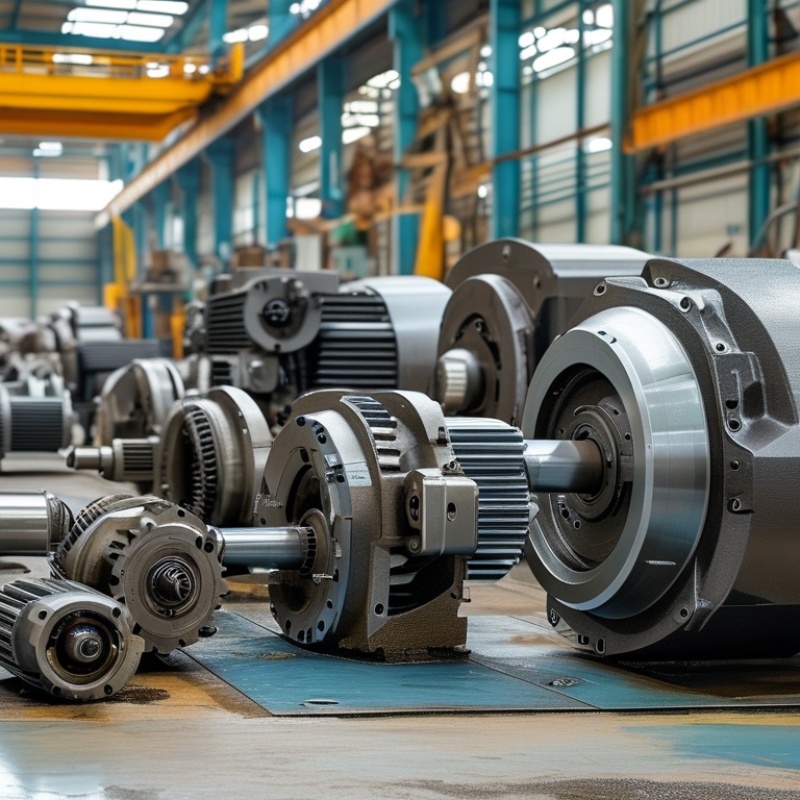
Overview of Gear Motors and Their Importance in Industrial Applications
Gear motors play a crucial role in industrial applications. Their efficiency and adaptability make them vital for various sectors, including manufacturing, automation, and robotics. According to a report by MarketsandMarkets, the global gear motor market is projected to reach $13.5 billion by 2025, growing at a CAGR of 5.7%. This trend highlights the increasing reliance on gear motors in enhancing operational efficiency.
In industrial settings, gear motors convert electrical energy into mechanical energy. They provide higher torque and reduce speed, which is essential for machinery like conveyors and drills. For instance, a gear motor can deliver 10 times more torque than a conventional motor at the same input. This efficiency translates into less energy consumption and lower operational costs.
However, it's essential to consider potential issues, such as overheating and noise in gear systems, which can affect performance.
The selection of a gear motor is not straightforward. Each application has unique requirements. Factors such as load characteristics, speed, and environmental conditions are critical. Making the wrong choice can lead to inefficiencies. A thorough understanding of these variables can prevent costly mistakes and ensure optimal performance in industrial operations.
Key Factors to Consider When Selecting Gear Motors for Efficiency
Selecting gear motors for efficiency in industrial applications involves several critical factors. Efficiency ratings, typically measured in terms of torque and speed, are paramount. A report by the International Electromechanical Commission indicates that a gear motor's efficiency can significantly impact operational costs. Motors with higher efficiency ratings can reduce energy consumption by up to 30%. It's essential to assess load requirements. Oversized motors waste energy, while undersized ones may lead to operational failures.
When evaluating gear motors, consider their thermal performance. Heat dissipation is crucial for maintaining efficiency. Regular monitoring of operating temperatures can prevent overheating and prolong motor lifespan. Think about maintenance schedules too. Frequent checks reduce downtime and ensure consistent performance. Interestingly, data from the Electric Power Research Institute finds that companies can save up to 15% in costs through proper maintenance.
Tip: Always match the motor size to your application needs to avoid inefficiency. A small motor may struggle, causing wear, while a large one can waste power. Think about the gear ratio. It affects efficiency and output torque. A well-matched gear ratio can enhance performance, making your motor system more effective.
Top 10 Gear Motors for Efficient Industrial Applications
| Model | Power (HP) | Efficiency (%) | Torque (Nm) | Speed (RPM) | Weight (kg) |
| Model A | 2 | 90 | 15 | 1500 | 24 |
| Model B | 1.5 | 92 | 20 | 1800 | 20 |
| Model C | 3 | 88 | 25 | 1200 | 30 |
| Model D | 5 | 85 | 30 | 1000 | 50 |
| Model E | 0.75 | 95 | 10 | 2000 | 15 |
| Model F | 4 | 87 | 35 | 800 | 40 |
| Model G | 1 | 93 | 12 | 1600 | 18 |
| Model H | 2.5 | 89 | 22 | 1400 | 22 |
| Model I | 6 | 86 | 40 | 600 | 60 |
| Model J | 3.5 | 91 | 28 | 1200 | 35 |
Top 10 Gear Motors: Features, Benefits, and Technical Specifications
Selecting the right gear motor is crucial for efficiency in industrial applications. Features like torque output, efficiency ratings, and durability are primary considerations. For instance, gear motors with a high torque rating can reduce energy consumption by up to 30%. This efficiency translates into cost savings, making them essential in competitive markets.
Technical specifications play a vital role. Many gear motors are designed to operate under various operating conditions. A recent industry report indicated that 75% of professionals prefer gear motors with advanced heat dissipation techniques. This feature not only extends motor life but also enhances overall system performance.
However, no gear motor is perfect. Maintenance is often a challenge, with wear rates varying widely across applications. Users frequently report that unexpected downtime can negate efficiency gains. This highlights the necessity of routine inspections and updates to operational protocols. While advancements in technology are promising, real-world reliability must still be evaluated continuously.
Comparative Analysis of Gear Motor Brands and Their Performance
When evaluating gear motors for industrial applications, performance metrics reveal significant differences among brands. Efficiency plays a crucial role; for instance, a report from the International Energy Agency notes that high-efficiency gear motors can reduce energy consumption by up to 30%. This energy savings not only cuts costs but also aligns with sustainability goals.
Vibration levels are another critical factor. Industrial benchmarks suggest that motors producing less than 2.5 mm/s of vibration significantly prolong equipment lifespan. In applications with strict operational criteria, brands capable of maintaining low noise levels and minimal vibration are often favored. Surprisingly, user feedback indicates that even slight deviations in these metrics can lead to operational inconveniences.
Variability in torque performance is essential to understand. Some motors may exhibit consistency under load, while others perform reliably across a wider RPM range. A recent study revealed that gear motors with a high torque-to-weight ratio can enhance productivity in demanding settings. However, the trade-off may include weight and bulkiness, prompting the need for thoughtful integration into existing systems. This complexity underscores the importance of detailed analysis before selection.
Future Trends in Gear Motor Technology for Industrial Use
The future of gear motor technology is evolving to meet the demands of modern industrial applications. With increasing energy efficiency requirements, new gear motor designs are leveraging innovative materials and advanced engineering. These changes lead to motors that are lighter yet more powerful.
A notable trend is the integration of smart technology in gear motors. Sensors collect real-time data. This data helps in predictive maintenance, reducing downtime significantly. Industries can benefit from increased productivity through timely interventions.
Tips: When selecting a gear motor, consider its energy consumption alongside torque and speed. An efficient motor in small sizes can reduce operational costs. Additionally, regular maintenance is crucial. Simplifying the upkeep can prevent major failures down the line.
As sustainability gains focus, energy-efficient gear motors will become essential. Motors tailored for renewable energy sources are gaining traction. However, challenges remain, such as balancing performance with eco-friendliness. Addressing these issues can propel industry towards a sustainable future.
Top 10 Gear Motors for Efficient Industrial Applications