Top Textile Machinery Manufacturers in the World
Textile machinery shapes how fibers become yarn, fabric, and finished products. Its influence is visible on factory floors: in the speed of a spinning frame, the precision of a loom, and the energy used by a finishing line. Choosing a manufacturer is therefore not just a purchasing decision. It can affect product quality, maintenance needs, output, and a mill’s ability to adapt.
The International Textile Manufacturers Federation’s International Textile Machinery Shipment Statistics (ITMSS) tracks shipments across equipment categories and destination markets. Its 2023 report offers useful evidence of investment patterns, but shipment volumes alone cannot rank manufacturers. They do not show machine uptime, service quality, operating costs, or customer experience. Important limits.
This overview of the top textile machinery manufacturers in the world considers product range, engineering capability, global service networks, and documented industry presence. It also recognizes that a company strong in spinning may not lead in weaving or finishing. That distinction matters. Buyers should compare specifications against their own fibers, production targets, and maintenance resources, then verify claims with current technical documents and references. No single ranking fits every mill. And the market changes.
Textile Machinery and Its Role in Modern Manufacturing
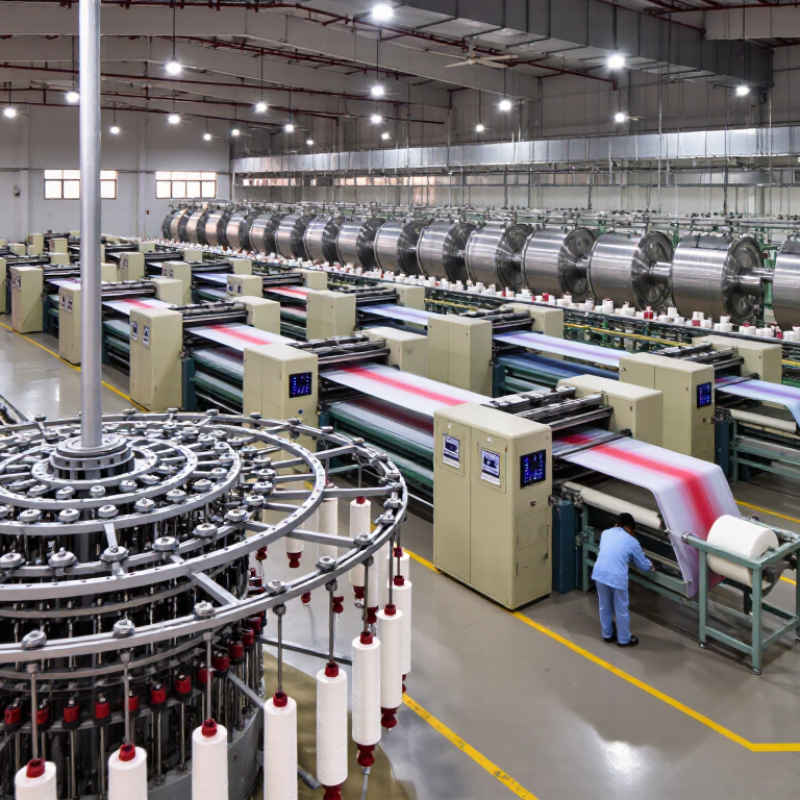
Textile machinery turns fiber, yarn, and fabric into repeatable production. In modern plants, spinning frames, looms, knitting machines, and finishing lines shape output quality and speed. A sensor can flag uneven yarn tension before it becomes a costly fabric defect. Operators also watch vibration, heat, and machine noise, because small changes can reveal wear. These details matter. Better process control can reduce rework, material waste, and unplanned stops. Yet equipment alone cannot guarantee quality; skilled setup and routine maintenance remain essential.
Digital controls link production data with machine settings, helping teams adjust speed, tension, and temperature more precisely. A technician might compare loom stoppages across shifts and inspect a worn component before replacing parts unnecessarily. Energy use matters, too. Efficient motors and planned idle times can lower consumption while meeting fabric requirements. The gains depend on the material and process: a system suited to lightweight knitwear may not fit heavy woven cloth. Automation can also make faults harder to notice when workers rely only on dashboards. Hands-on checks still matter. The most useful machinery supports skilled operators, adapts to changing orders, and produces reliable fabric without concealing the limits of the process.
Cotton Production and the Demand for Textile Machinery
Cotton-growing regions supply raw material for spinning, weaving, and finishing. Production volumes provide context for the scale of textile processing that machinery supports.
Cotton production by country, 2022/23 season (million 480-lb bales). Source: USDA Foreign Agricultural Service, Production, Supply and Distribution database.
Major Types of Textile Machinery
Top Textile Machinery Manufacturers in the World
Textile machinery covers several stages, from loose fiber to finished fabric. Spinning machines clean, draw, and twist fibers into yarn. Operators monitor tension and spindle speed because small changes can affect yarn strength and evenness. The process is precise, but not effortless. Dust buildup and worn parts can still cause uneven results.
Weaving machines interlace lengthwise and crosswise yarns, while knitting machines form connected loops. Their fabrics behave differently: woven cloth often holds its shape, while knitted cloth can stretch more readily. Dyeing and finishing equipment adds color, softness, or functional treatments. Temperature, water flow, and processing time need close control; a slight mismatch may leave visible shade variations.
Other equipment includes carding machines for aligning fibers, fabric inspection systems for spotting flaws, and cutting machines for preparing garment pieces. Choosing machinery depends on fiber type, fabric design, production volume, and available maintenance skills. A fast machine is not automatically the best fit. Noise, energy use, spare-part access, and operator training matter too. In practice, production plans sometimes overlook changeover time, which can make a supposedly efficient line less productive.
Leading Textile Machinery Manufacturers Around the World
Leading textile machinery manufacturers are judged by more than production speed. Mills need stable output, accessible parts, operator training, and equipment that fits local power and water conditions. A loom running smoothly on a showroom floor may behave differently in a humid, dusty mill. That detail matters.
MARKET CONTEXT
Grand View Research estimated the global textile machinery market at about US$27.12 billion in 2023, with growth expected through 2030. The estimate signals sustained investment, but market size alone does not reveal which manufacturers deliver dependable service. ITMF’s 2023 International Textile Machinery Shipment Statistics recorded lower shipments in several major equipment categories, including short-staple spinning and shuttle-less weaving. Demand shifts quickly. Buyers therefore compare lifecycle costs, energy use, retrofit options, and regional service coverage—not just purchase prices.
Manufacturers across Europe and Asia compete in spinning, weaving, knitting, dyeing, and finishing systems. Strong suppliers increasingly integrate sensors and controls that help operators spot tension changes or heat irregularities before defects spread. Still, digital features are not automatically useful; staff need time and training to interpret alerts. One limitation remains: industry market estimates vary by scope, so comparisons should be treated carefully. A practical assessment also checks spare-part lead times and performance under a mill’s actual production mix.
Regional Hubs of Textile Machinery Production
Textile machinery production follows more than national borders. It clusters near skilled engineers, component suppliers, ports, and textile mills. In eastern China, provinces such as Jiangsu and Zhejiang support broad manufacturing networks, from spinning equipment to weaving and finishing systems. A short drive between workshops can reveal specialized suppliers for motors, controls, and machine frames. The map is uneven.
Europe’s established engineering centers are known for precision design and process control, particularly in spinning, weaving, and finishing equipment. Japan also contributes advanced machinery and automation expertise. These regions often focus on reliable operation and consistent fabric quality, rather than sheer production volume. Details matter. A machine’s real performance depends on installation, operator training, and maintenance—not only its specifications.
India and Türkiye are important production and textile-processing centers, with local demand shaping equipment suited to regional mill needs. Their strengths vary by product type and investment level. Buyers should compare service access, spare-part lead times, energy use, and support for different fibers. Regional labels can be misleading; capabilities often differ between neighboring factories. That gap remains worth investigating. Visiting a production site, where possible, can reveal practical details that catalogs leave out.
How Manufacturers Compete and Innovate in the Global Market
Competition in textile machinery is increasingly decided by operating costs, not headline speed. Mill managers compare energy use per kilogram, fabric defects, changeover time, and access to technicians. Small gains matter. Fewer rejected rolls can outweigh a faster nominal cycle. Buyers also need machines that process recycled and blended fibers with fewer stoppages. This pushes manufacturers to improve sensors, adjustable settings, and maintenance access.
Market figures show why product strategies diverge.
The International Textile Manufacturers Federation’s 46th International Textile Machinery Shipment Statistics reported that 2023 shipments of short-staple spindles fell 8%, while open-end rotor shipments rose 7%. Demand is uneven. Textile Exchange’s Materials Market Report 2024 estimated global fiber production at 124 million tonnes in 2023, underscoring the scale and resource pressure behind equipment decisions.
Manufacturers compete through automation, process control, energy monitoring, and modular upgrades to existing lines. Yet sensors cannot fix poor operator training or inconsistent fiber inputs. Not a simple upgrade. In practice, mills often need trials with their own yarns before committing. These tests reveal whether a machine can maintain quality across shifts and changing materials.