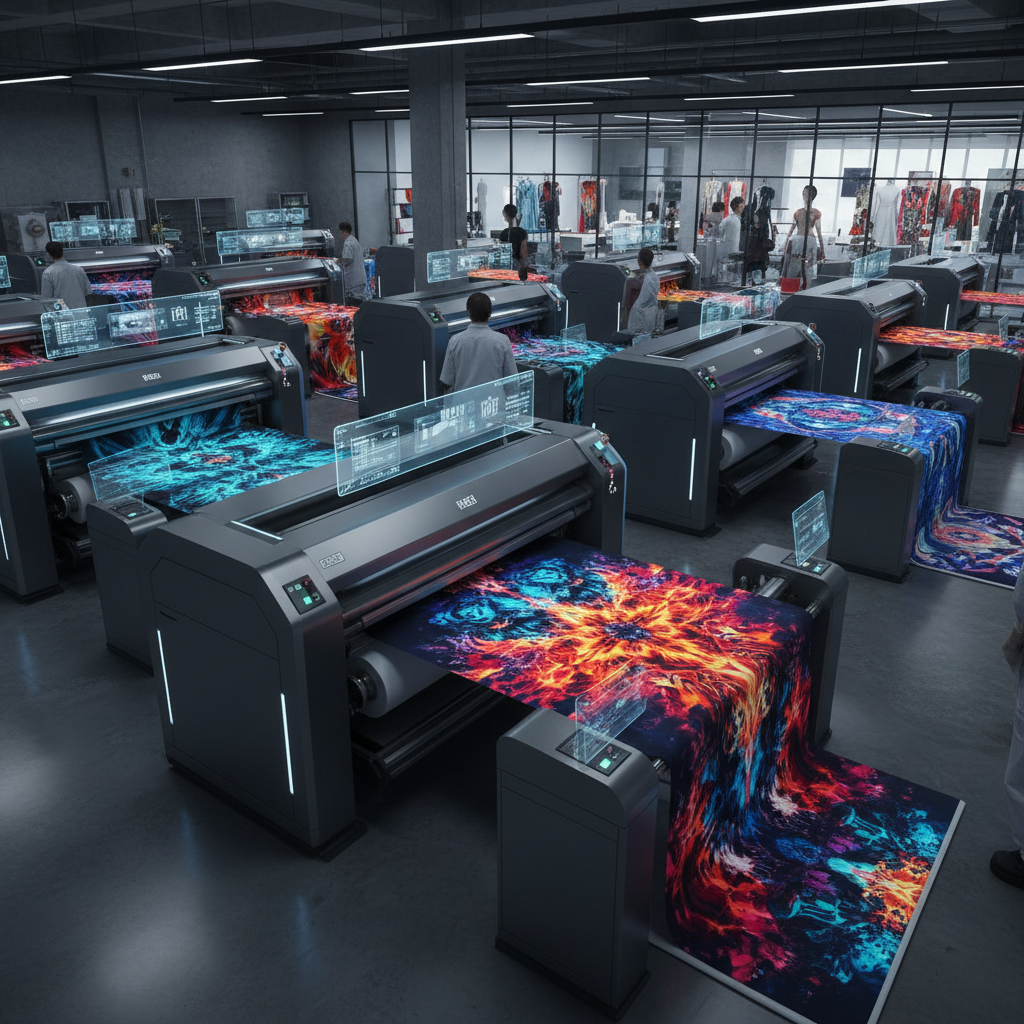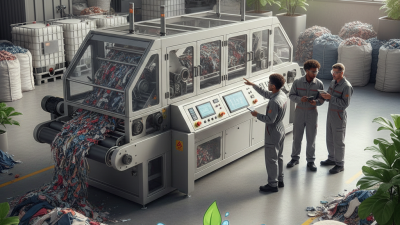
As the textile printing industry continues to evolve, the introduction of cutting-edge technologies is more critical than ever. According to a recent report by Smithers Pira, the global digital textile printing market is projected to reach $4 billion by 2025, driven by innovations that enhance fabric quality and increase production efficiency. This growth underscores the significance of advanced textile printing machines in meeting the rising demand for customized and sustainable textile solutions.
Renowned industry expert Dr. Emily Chen states, "The advent of high-speed and versatile textile printing machines is redefining how we approach textile manufacturing. With the ability to produce intricate designs on various materials, these machines are not only enhancing creative possibilities but also promoting sustainable practices through reduced waste." As we delve into the top 10 textile printing machines set to revolutionize the industry by 2025, it becomes evident that their technological advancements are pivotal in shaping the future of textile printing, offering significant benefits to manufacturers and consumers alike. This exploration will showcase how these machines are transforming the market, making it crucial for industry players to stay informed and adapt to these emerging trends.
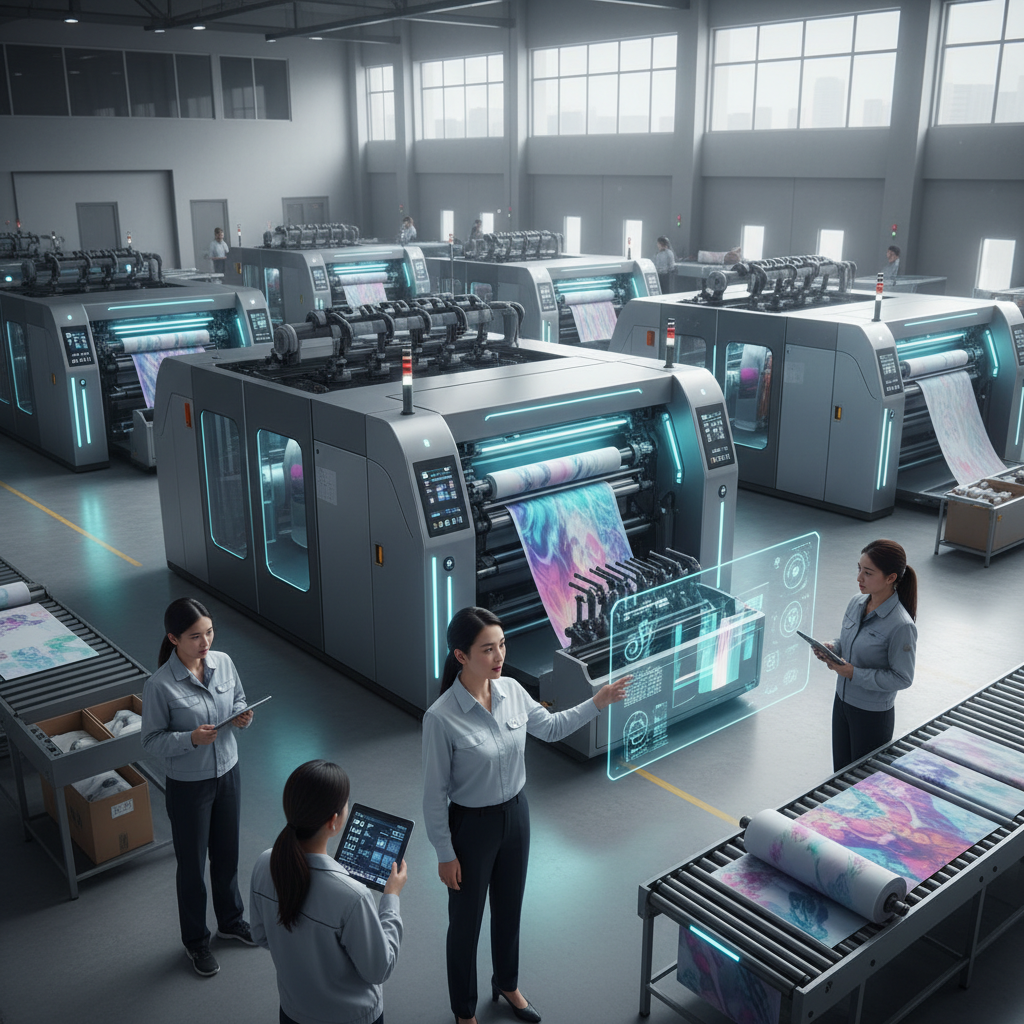
As we approach 2025, the textile printing industry is witnessing a transformative shift with the rise of digital textile printing machines. These innovative machines are not only enhancing production efficiency but also allowing for greater design flexibility. By utilizing advanced digital technologies, these printers can produce intricate patterns and vibrant colors on a variety of fabrics, meeting the evolving demands of fashion and interior design sectors.
Tips for choosing the right digital printing machine include evaluating your production needs, considering the types of fabrics you will be working with, and analyzing the machine's ease of use and maintenance. Additionally, look for a model with robust software compatibility that can handle complex design files seamlessly.
Moreover, the adoption of eco-friendly inks in many digital textile printers is gaining momentum. This shift not only contributes to sustainability but also aligns with consumer preferences for environmentally responsible products. As the industry evolves, staying informed about the latest digital advancements and incorporating them into your business strategy will be crucial for success.
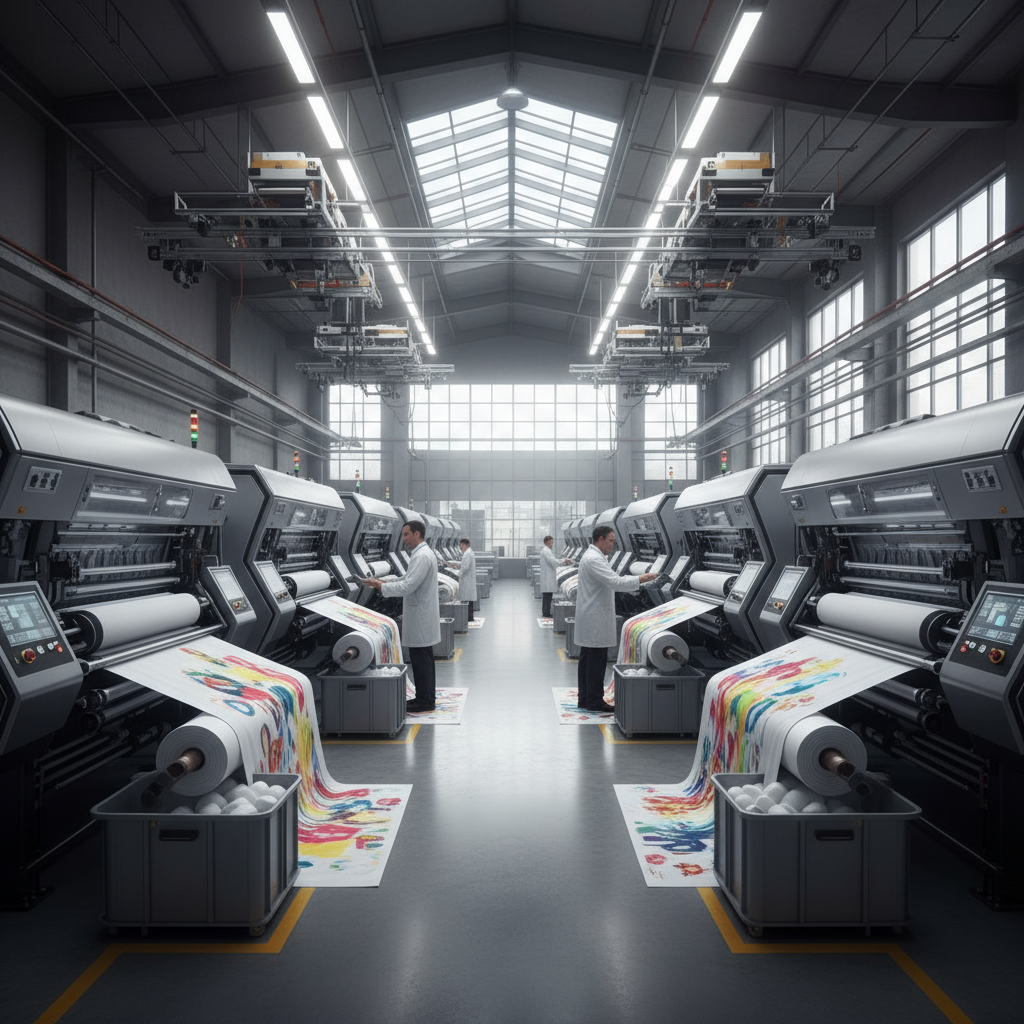
The textile printing industry is undergoing a remarkable transformation with the advent of eco-friendly printing technologies. These innovations not only enhance print quality but also significantly reduce environmental impact. Machines equipped with water-based inks, for instance, utilize fewer hazardous chemicals, leading to a safer production environment. Furthermore, advancements in digital printing technology allow for on-demand production, minimizing waste by ensuring that only required quantities are printed.
Additionally, many of the top textile printing machines in 2025 are designed with energy efficiency in mind. Features such as advanced drying systems and low-energy consumption components contribute to lowering the overall carbon footprint. Moreover, some machines now incorporate recycling systems that repurpose waste materials from the printing process, aligning production with sustainable practices. These revolutionary features are not just beneficial for the environment but also cater to the growing consumer demand for ethically produced textiles, paving the way for a greener future in the fashion and textile industry.
| Rank | Machine Model | Printing Technology | Max Resolution (dpi) | Eco-Friendly Feature | Production Speed (m²/h) |
|---|---|---|---|---|---|
| 1 | Model A | Digital Inkjet | 2400 | Water-based Inks | 150 |
| 2 | Model B | Sublimation | 3000 | Sustainable Sourcing | 120 |
| 3 | Model C | Direct-to-Fabric | 1200 | Non-Toxic Inks | 100 |
| 4 | Model D | Eco-Solvent | 1600 | Biodegradable Inks | 130 |
| 5 | Model E | Hybrid Printing | 1800 | Low VOC Emissions | 140 |
| 6 | Model F | Laser Printing | 2400 | Energy Efficient | 170 |
| 7 | Model G | Flatbed Printing | 1200 | Recyclable Materials | 110 |
| 8 | Model H | Roll-to-Roll | 1500 | Plant-Based Inks | 160 |
| 9 | Model I | Screen Printing | 2000 | Minimal Waste Technology | 90 |
| 10 | Model J | Textile Direct Printing | 1600 | Solar Power Compatible | 180 |
The textile machinery market is on a promising trajectory, with a projected growth from $55.28 billion in 2025 to $83.49 billion by 2032, translating to a CAGR of 6.1% during this forecast period. This growth signals significant advancements and innovations within the industry, positioning key players as leaders in the textile machine manufacturing sector. Companies at the forefront are adapting quickly to changes, including the rapid digitalization of the market, which is empowering e-tailers to respond swiftly to consumer demands.
In regions like Coimbatore, recognized as India's Manchester, numerous textile manufacturing firms are catalyzing development, capitalizing on technology to enhance production efficiency. The Indian textile industry is not only a crucial component of the economy but also plays a vital role in embracing sustainability and innovation. As the market evolves, companies that focus on sustainable practices and cutting-edge technologies are expected to thrive, especially amidst the challenges faced in neighboring markets such as Bangladesh. This creates unique opportunities for Indian manufacturers to expand their share in the global textile machinery landscape.
This chart illustrates the market share of the top 10 textile printing machines in 2025, highlighting the leading innovations and their impact on the textile printing industry.
The textile printing industry is experiencing a significant transformation in 2025, with new machines enhancing both speed and efficiency. This year's top ten machines are designed to meet the insatiable demand for high-quality prints while ensuring rapid production times. Notably, innovations in inkjet technology and automated processes have led to machines that can produce up to twice the output of their predecessors without compromising print quality.
When selecting a printing machine, consider the speed-to-efficiency ratio. Look for models that offer quick changeovers and minimal downtime, as these factors significantly impact overall productivity. Additionally, be aware of the machine's maintenance requirements; a user-friendly design will save time and resources in the long run.
Another crucial tip is to evaluate the compatibility of the printing technology with various fabrics. The best machines for 2025 not only excel in speed but also adapt easily to different materials, ensuring versatility in product offerings. This adaptability can provide a competitive edge, allowing businesses to meet diverse customer needs swiftly.
The textile printing industry is experiencing a significant transformation driven by smart technology. The global market for digital textile printing is projected to grow from $1.591 billion in 2021 to approximately $3.117 billion by 2028, showcasing a robust shift towards advanced printing solutions. Furthermore, the demand for digital textile printing machines is set to reach $3.5 billion by 2024, with expectations to escalate to $6.8 billion by 2033, reflecting an annual growth rate of 8.1% from 2026 to 2033. This shift is largely propelled by technological advancements and a rising demand for customized textile products.
Tips: When investing in new textile printing technology, consider those that integrate AI and automation features for enhanced efficiency and precision. Staying updated with market trends can also provide insights into potential returns on investment.
Moreover, the rise of smart technology is influencing various aspects of textile printing, from faster production times to improved sustainability practices. As reported, the electrostatic equipment market is estimated to value approximately $497.69 million by 2024, with a growth forecast of 5.4% reaching $752.89 million by 2032. Implementing smart textile printing processes is not only a strategic move for businesses to remain competitive but also aligns with global sustainability goals.