How to Use a Wool Carding Machine for Perfectly Fluffy Wool
Using a wool carding machine can transform raw wool into a fluffy and usable fiber. This process begins with preparing your workspace and gathering essential tools. After that, the machine plays a crucial role, simplifying the carding process.
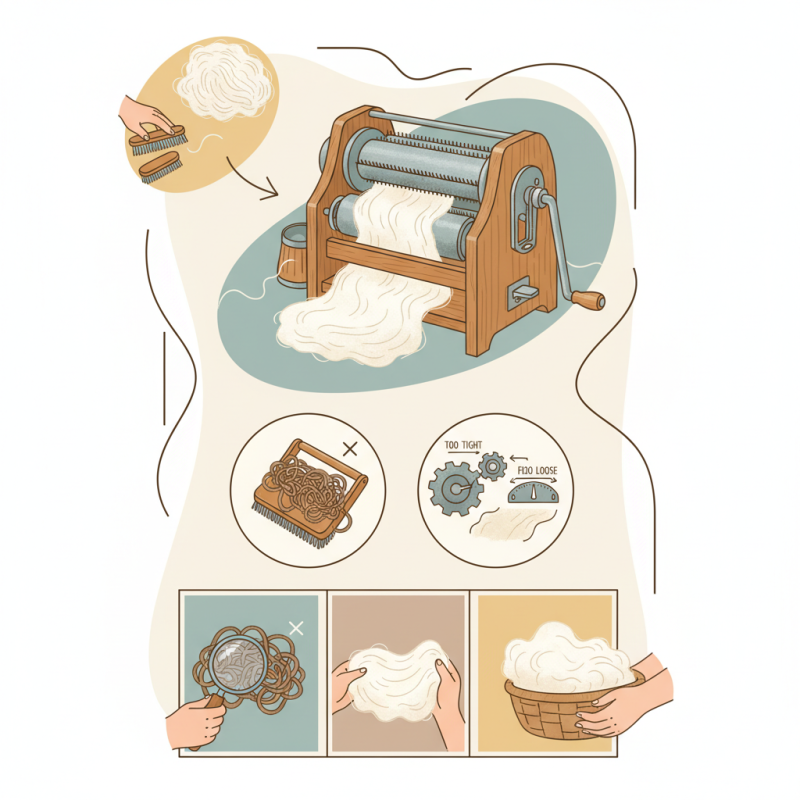
Operating a wool carding machine might seem straightforward, yet challenges often arise. For example, not all wool fibers will cooperate, and some may tangle or break. Patience is key. It's important to adjust the machine settings correctly; too tight or too loose can lead to unsatisfactory results.
Every crafter makes mistakes while learning. Sometimes, the wool won't be as fluffy as expected. Observing the output helps refine your technique. With practice, you'll achieve that perfect, airy wool that makes crafting enjoyable. Embrace the journey, and let your wool carding machine guide you.
Understanding Wool Carding: An Overview of the Process and Equipment
Wool carding is a crucial step for preparing fibers. It transforms raw wool into fluffy, soft material, ready for spinning. A wool carding machine can help streamline this process. Understanding the equipment is vital for success.
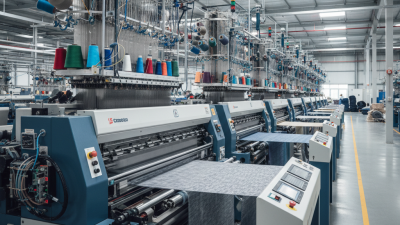
The wool carding machine has drums covered in varying types of needles. These needles work to separate and align the fibers. Pay attention to the settings. The tension on the drum impacts the outcome. If too tight, the wool may not fluff properly. Monitor your results closely.
Tips: Always clean your machine regularly. Dust and debris can affect performance. Experiment with different wool types. Each has unique qualities that may alter your results. It’s okay if your wool doesn’t turn out perfect. Learning through trial and error is part of the process. Practice makes progress.
Wool Carding Process: Efficiency Over Time
Choosing the Right Wool Carding Machine for Your Needs and Budget
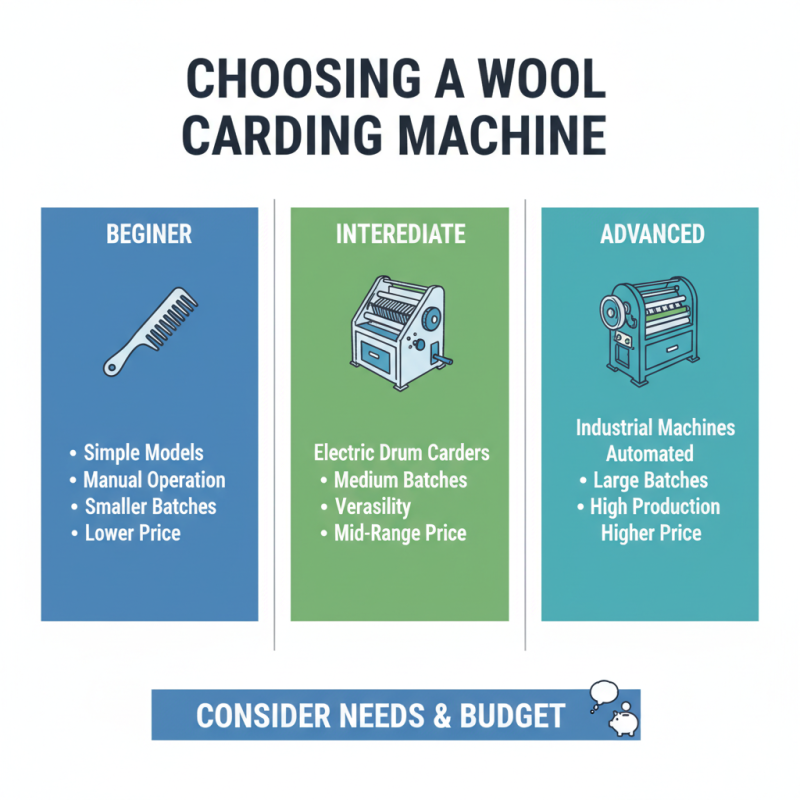
Choosing the right wool carding machine can be a daunting task. Different machines come with various features and price points. When considering your needs and budget, it’s vital to assess what you intend to create. If you're a beginner, a simple model may suffice. More experienced users might require advanced features.
Think about the type of wool you'll be working with. Certain machines are better suited for fine fibers, while others handle coarser types. Ask yourself how often you plan to use it. If you card wool frequently, investing in a higher-quality machine could be worthwhile. Conversely, for occasional use, a budget option might be more appropriate.
Many users find their first choice isn’t perfect. It can be frustrating when the machine doesn’t meet expectations. Adjusting your approach, like changing carding techniques, can yield better results. It allows for exploration and learning. Each carder has its quirks, and it may take time to find the right balance between your skills and the machine. Embrace the imperfections, as they lead to unique outcomes.
Preparing Wool for Carding: Tips for Optimal Results
Preparing wool for carding is an important step for achieving the best results. Start by washing your wool thoroughly. Use lukewarm water and a gentle detergent. Avoid hot water, as it can felt the fibers. Rinse well and let the wool air dry. Overworking the wool can lead to tangles, so be gentle during this process.
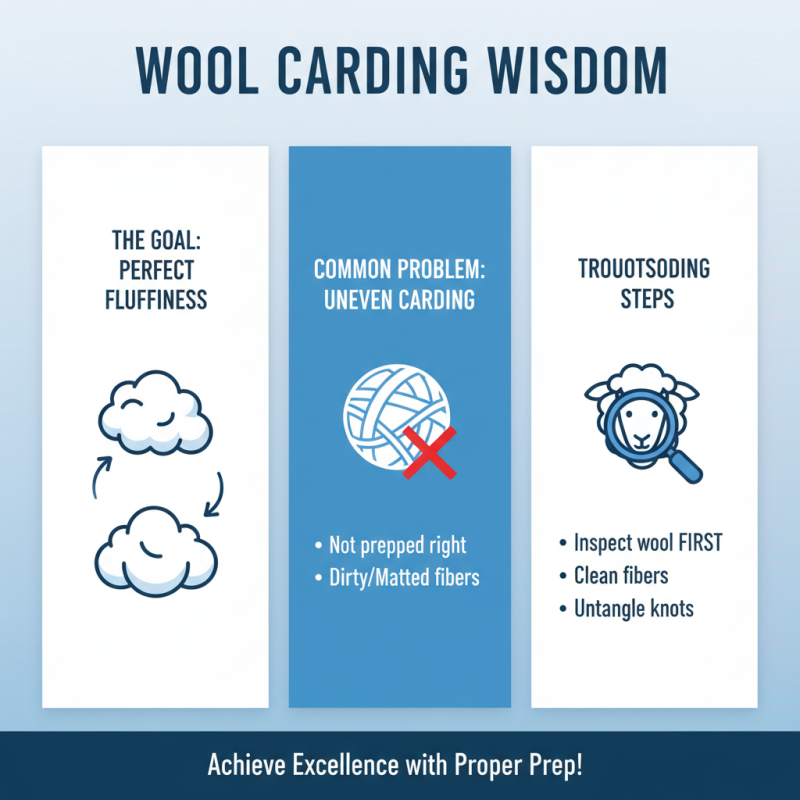
Here are a few tips to ensure optimal preparation. Card in small batches to prevent overwhelming yourself. Inspect the wool for debris or matting. Trim away any knots to enhance carding efficiency. Consider separating the wool by fiber length. This helps create an even blend while carding.
After washing, fluff the dried wool gently. It’s okay if it doesn’t look perfect immediately. Take your time to untangle fibers. Remember, the goal is not an immaculate wool bundle but a suitable starting point for carding. A little imperfection can lead to unique textures later on. Embrace the process and enjoy the journey of carding your wool!
How to Use a Wool Carding Machine for Perfectly Fluffy Wool
| Step |
Description |
Tips |
| 1 |
Select the Right Wool |
Choose clean, unprocessed fleece for best results. |
| 2 |
Wash the Wool |
Use lukewarm water and a gentle detergent to remove dirt and grease. |
| 3 |
Dry Thoroughly |
Make sure the wool is completely dry before carding. |
| 4 |
Prepare the Carding Machine |
Ensure the machine is clean and set up properly. |
| 5 |
Card the Wool |
Feed small amounts of wool into the carding machine evenly. |
| 6 |
Check for Consistency |
Make sure the wool is evenly fluffed and carded. |
| 7 |
Store or Use Carded Wool |
Store in a dry place if not using immediately to maintain fluffiness. |
Step-by-Step Guide to Operating a Wool Carding Machine Effectively
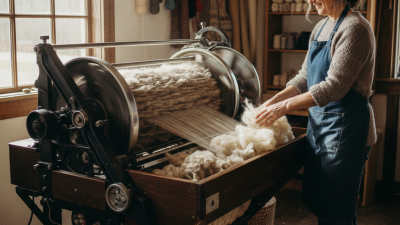
Operating a wool carding machine can seem daunting at first. However, breaking it down into manageable steps helps. Start by preparing your wool. Make sure it is clean and free from debris. Use scissors to trim any tangled fibers. This will make the carding process smoother.
Next, adjust the machine’s settings. Ensure the rollers are clean and move freely. Feeding the wool too quickly can create a mess. Take your time, and watch the wool as it passes through the rollers. If it clumps, you’re feeding it incorrectly. Adjust the amount you feed until you find the right balance.
After carding, carefully remove the fluffy wool. Fluff it up with your hands to enhance its texture. But don’t rush. Carefully inspect the carded wool. Look for any areas that might need more attention. This is a learning process, and perfection comes with practice. Each session teaches you something new. Embrace the imperfections and enjoy the journey of creating fluffy wool.