
What Is Weaving Yarn and Which Type Is Best for Buyers?

Choosing the right Weaving Yarn begins with understanding how fiber, twist, weight, and finishing affect the final fabric. Cotton may create a cool, stable cloth, while wool offers warmth, elasticity, and a softer surface. Linen brings crisp texture and strength, but it can feel less forgiving during weaving. No single yarn suits every buyer.

Anni Albers, the influential textile artist and educator, wrote, “The thread knows the way.” Her words capture an important truth: yarn behavior often becomes clear only on the loom. A sample can reveal more than a product label. Watch how the yarn passes through the heddle, handles tension, and settles after washing. Small details matter.

This guide examines Weaving Yarn from a buyer’s practical perspective. It considers fiber content, yarn size, twist, durability, colorfastness, and intended use. A yarn for wall art may tolerate irregular texture. A yarn for towels needs strength, absorbency, and reliable washing performance. Budget also matters, though the cheapest cone may create more waste through breakage.

There is room for uncertainty. Product descriptions can sound precise, yet yarns from different mills may behave differently. Even experienced weavers sometimes choose poorly. That is not failure; it is useful evidence. Buyers should compare samples, ask suppliers about batch consistency, and test a small woven square before purchasing large quantities. The best choice is not always the softest or most expensive. It is the yarn that performs honestly for the project.
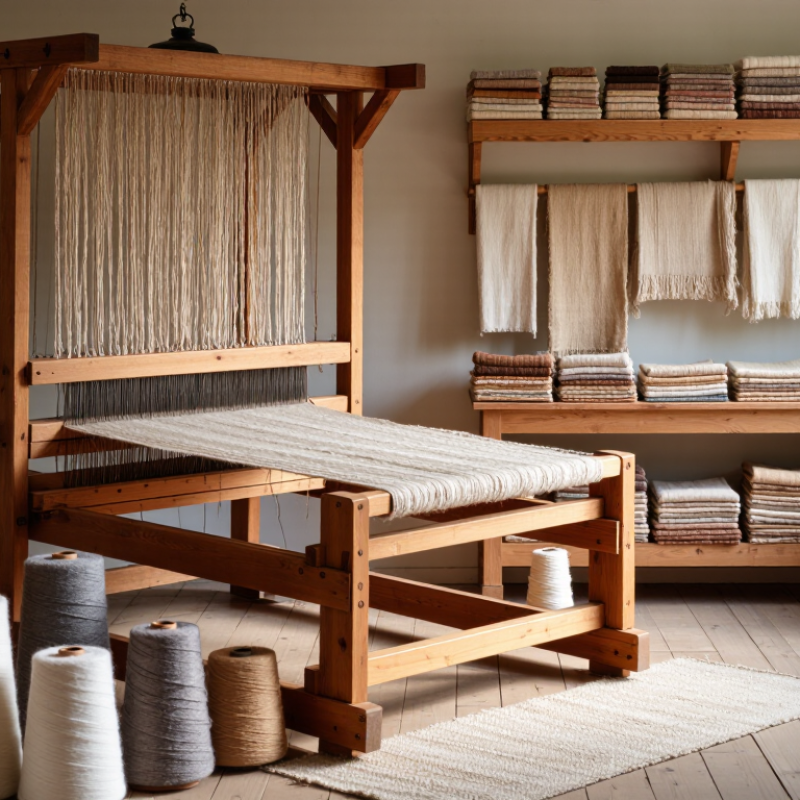
What Is Weaving Yarn and Which Type Is Best for Buyers?

What Is Weaving Yarn? Definition and Core Characteristics

Weaving yarn is a textile yarn designed to cross with other yarns on a loom. It forms either the lengthwise warp or the crosswise weft. Unlike ordinary knitting yarn, it must tolerate repeated tension, friction, and movement during weaving. The difference can be easy to miss.

Warp yarn usually needs higher strength and better abrasion resistance. It passes through heddles and may rub against guides many times. Weft yarn can be softer, depending on the fabric structure and loom settings.

Both types should have consistent thickness, controlled twist, and low hairiness. Uneven yarn can create stripes, weak spots, or visible texture changes.

Fiber choice also shapes performance. Cotton offers a familiar hand and good absorbency. Linen can feel crisp but may have natural irregularities. Wool adds warmth and resilience, while synthetic fibers often improve strength and dimensional stability. Moisture content matters too. Very dry yarn may become brittle, while excess moisture can affect tension and handling. A sizing treatment may protect warp yarn, but its quality must be checked carefully.

In practical purchasing, I examine yarn samples under steady tension. I look for slubs, thin sections, loose fibers, and inconsistent winding. A stronger yarn is not automatically better; excessive twist can make fabric feel harsh or distort the weave. I have also found that test results can change with loom speed and humidity. Small trials remain necessary. Labels help, but they never replace testing.

How Weaving Yarn Differs from Knitting and Sewing Yarns

What Is Weaving Yarn and Which Type Is Best for Buyers?

Weaving yarn forms a stable fabric through crossing warp and weft threads. It usually needs high tensile strength, controlled stretch, and strong abrasion resistance. Warp yarn faces repeated tension on the loom, so uneven twist can cause breaks. Weft yarn has more flexibility, but it still needs consistent thickness. Textile Exchange’s 2024 Materials Market Report recorded global fiber production at 124 million tonnes in 2023. That scale makes yarn selection a technical purchasing decision, not a color choice.

Knitting yarn behaves differently. It must bend into loops, so softness, elasticity, and balanced twist matter more than rigid strength. Sewing thread serves another purpose. It passes through a needle repeatedly and must resist friction, heat, and seam stress. A smooth, compact thread can outperform ordinary weaving yarn in stitching, yet fail to create a comfortable knitted surface. The U.S. Department of Agriculture’s 2024 cotton market report places global cotton output near 25 million metric tonnes annually. Cotton remains important, but fiber content alone cannot identify the correct yarn.

Buyers should check yarn count, twist, elongation, finish, and breaking strength. Ask for loom or machine trials. A practical mistake is judging yarn only by touch. I have seen a soft yarn appear attractive, then snap during warping. Not every “all-purpose” yarn is truly universal. Supplier test sheets help, but small-batch testing is still necessary. There is room for error, especially when recycled fibers vary between lots.

Which Yarn Properties Matter When Choosing for Weaving?

What Is Weaving Yarn and Which Type Is Best for Buyers?

Yarn choice starts with the fabric’s job, not its appearance. Weaving yarn needs consistent thickness, suitable strength, and controlled twist. Uneven yarn can create stripes, weak spots, or frequent loom breaks. The Materials Market Report 2024 from Textile Exchange recorded 124 million tonnes of global fiber production in 2023. That scale shows why responsible selection matters, even for small orders.

Strength and Performance

Strength is essential for warp yarn because it faces repeated tension and friction. Abrasion resistance also matters when yarn passes through heddles and reeds. Weft yarn can tolerate more flexibility, but excessive fuzz may reduce fabric clarity. Check yarn count, twist level, elongation, and breaking force before purchasing. A yarn that feels soft may still perform poorly. Softness can hide weak fibers.

Moisture, Fiber, and Testing

Moisture regain affects handling, drying, and dimensional stability. Natural fibers often feel comfortable, while synthetic fibers may offer stronger abrasion resistance. Textile Exchange reported that recycled fibers represented about 7.6% of global fiber output in 2023, but recycled content alone does not prove weaving performance. Ask for test results, not attractive claims. ASTM and ISO test methods can help compare strength, unevenness, and colorfastness. I once treated smoothness as a quality shortcut. That was incomplete. Small sample tests reveal more than touch. Use the intended sett, washing method, and loom tension before approving bulk yarn.

What Are the Main Types of Weaving Yarn?

Weaving yarn is generally divided into spun, filament, blended, and fancy yarns. Spun yarn is made from short fibers, such as cotton, wool, or flax. Its slightly irregular surface creates a warm, natural texture. It suits towels, apparel, and home textiles. Filament yarn uses continuous fibers, including silk and synthetic fibers. It feels smoother and usually offers better strength, drape, and reduced fuzz.

Blended yarn combines different fibers to balance comfort, durability, price, or moisture control. Cotton-polyester blends are common, but their different shrinkage rates require careful testing. Fancy yarns, such as slub, boucle, and core-spun yarns, add visible texture. They can make a fabric distinctive. They can also expose weaving faults more easily. The International Textile Manufacturers Federation repeatedly identifies yarn quality and process control as key production concerns.

Market scale also affects buyer decisions. Textile Exchange’s Materials Market Report 2024 estimates global fiber production reached about 124 million tonnes in 2023. Polyester represented roughly 57%, while cotton accounted for about 19%. These figures show availability, but not automatic suitability.

Buyers should check yarn count, twist, tensile strength, elongation, moisture behavior, and shrinkage before ordering. A small loom trial is valuable. It reveals problems that a specification sheet may hide.

No yarn is perfect. The best choice depends on fabric purpose, machine settings, handling expectations, and the buyer’s tolerance for texture variation.

How Can Buyers Select the Best Yarn for Their Projects?

Choosing the best weaving yarn begins with the project, not the label.
Decide whether you are making a wall hanging, scarf, rug, or household textile. A soft wool yarn can create warmth and gentle texture. Cotton offers clearer edges and steadier tension. Linen feels crisp, but it may seem stubborn during the first few rows. For a smooth, even fabric, choose yarn with consistent thickness. Uneven yarn can produce beautiful texture, but it may make detailed patterns harder to control.

Check the yarn’s fiber, weight, twist, and care requirements. A tightly twisted yarn usually resists abrasion better, which matters for rugs or frequently used items. For delicate garments, test its softness against your skin. Always make a small sample before buying a large quantity. Measure its width, drape, and shrinkage after washing. This small step prevents expensive mistakes. I once selected a beautiful thick yarn without checking loom spacing. The result was bulky and difficult to beat into place.

Color also deserves practical attention. View the yarn in natural light, because indoor bulbs can hide subtle changes. Buy enough from the same dye lot when color consistency matters. Still, there is no universal best yarn. A beginner may prefer stable cotton, while an experienced weaver may enjoy irregular wool or blended fibers. Compare the yarn with your tools, skill level, budget, and care routine. The most attractive option is not always the most workable one. Be willing to revise your choice.

Go to Top
Translate »