What is Wet Spinning Machine and How Does It Work?
The wet spinning machine is a vital component in the textile industry. This machine plays a key role in producing fibers from polymer solutions. Experts emphasize its importance, including Dr. Anna Fischer, who stated, "The efficiency of the wet spinning machine determines the quality of the final product."
In the process of wet spinning, a polymer solution is extruded through spinnerets. The solution is then coagulated in a bath, resulting in solid fibers. This method is crucial for creating materials such as rayon and certain synthetic fibers. However, the complexity of the process can lead to challenges. Factors like temperature, bath composition, and spinning speed must be carefully controlled.
Despite advances in technology, the wet spinning machine requires constant optimization. Manufacturers often face pressure to increase efficiency while ensuring quality. Small alterations in the process can result in poor fiber quality. Therefore, continuous improvement and expert insights are essential in this field.
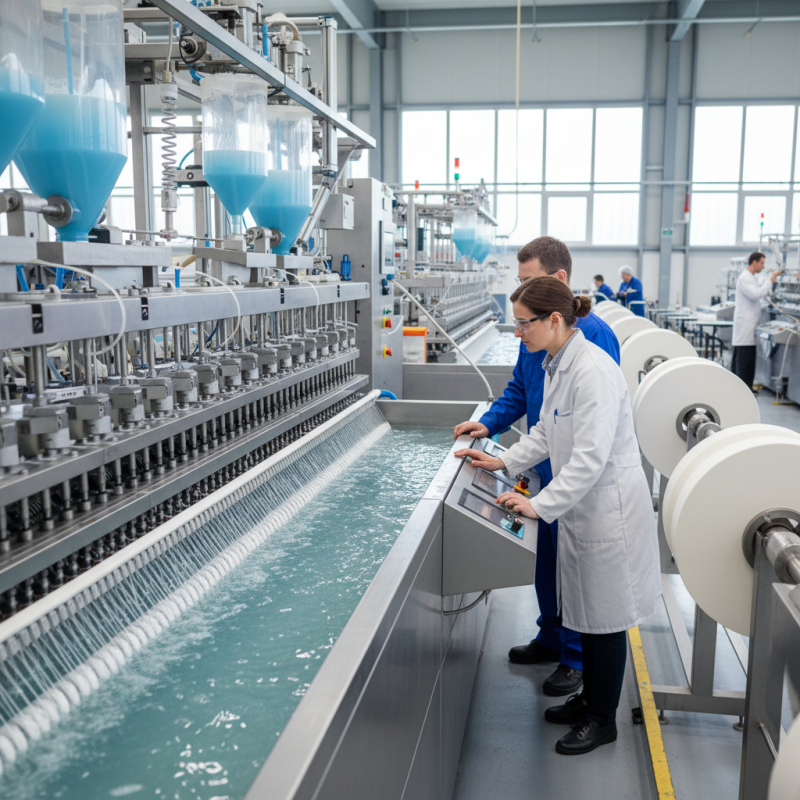
What is a Wet Spinning Machine? An Overview of Its Functionality
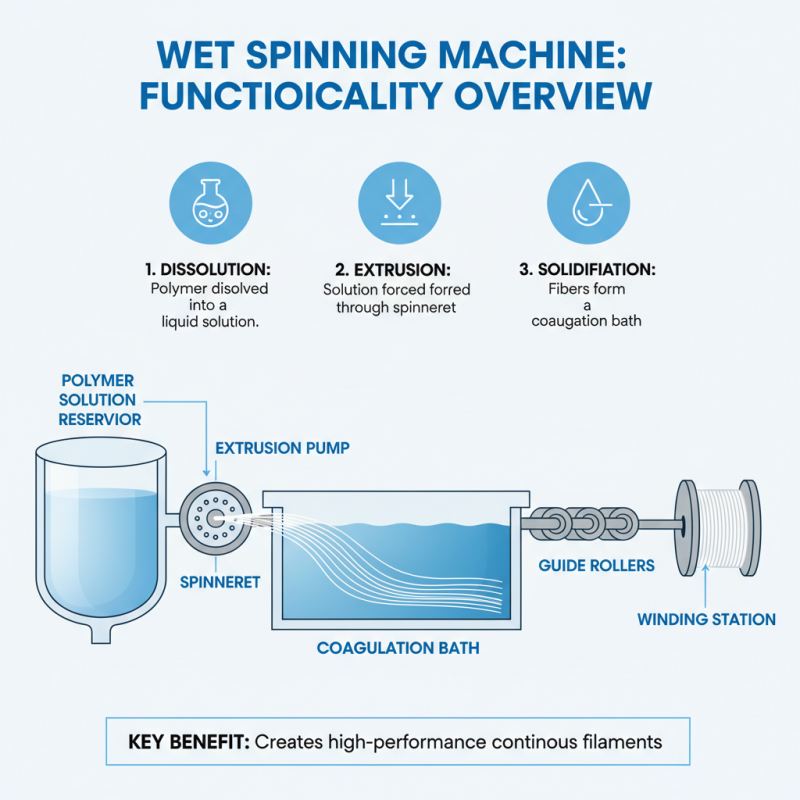
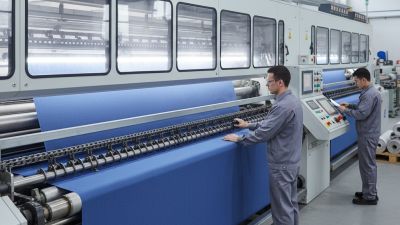
Wet spinning is a crucial method in fiber production, utilized primarily to create high-performance materials. This technique transforms raw polymers into continuous filaments through a series of steps involving dissolution and solidification. The wet spinning machine plays a vital role by extruding a polymer solution through spinnerets into a coagulation bath, where the fibers form.
The technology behind wet spinning has advanced significantly. According to industry reports, the global synthetic fibers market is projected to reach approximately $44 billion by 2025. This growth is driven by innovations in wet spinning machinery that improve efficiency and output quality. Notably, the process yields polymers that exhibit superior characteristics, such as increased tensile strength and durability.
Precision in the wet spinning process is critical. Minor variations in temperature or composition can lead to defects in fiber quality. It’s essential for manufacturers to closely monitor these parameters. The need for ongoing optimization makes this machinery both powerful and challenging to master. Despite advances, the quest for perfect fiber consistency remains a work in progress in many facilities.
The Principles of Wet Spinning: Key Processes and Techniques
Wet spinning is a unique fiber production method used for creating materials like rayon and certain types of nylon. It mainly involves dissolving polymers in a solvent and then extruding the solution through a spinneret into a coagulating bath. This process allows the polymer to regenerate into solid fibers while being immersed in the liquid. A key aspect of wet spinning is the control of concentration and temperature in the coagulation bath, which directly affects the fiber's properties.
In practice, the temperatures and concentrations must be balanced carefully. Too high or low can lead to poor-quality fibers. It's essential to monitor these conditions closely. Regular testing can help catch issues before they escalate. Maintain proper equipment to ensure reliable results.
Tips for success include ensuring that the spinning solution is homogenous before extrusion. Any inconsistencies can affect the final product. It's also advisable to refine your coagulation bath regularly. A well-maintained bath can enhance fiber quality significantly. Remember, small adjustments can lead to big improvements.
Wet Spinning Process Overview
This chart illustrates the key processes involved in the wet spinning technique. The data shows the average duration of each step in the wet spinning process, measured in minutes.
Materials Used in Wet Spinning: A Focus on Fiber Types
Wet spinning is a pivotal process in the fiber manufacturing industry, primarily focusing on the creation of synthetic fibers. It utilizes specific materials that are critical in determining the ultimate properties of the produced fibers. Key materials include polymers such as polyacrylonitrile (PAN), which is the precursor for acrylate fibers. PAN's properties, including high strength and excellent chemical resistance, make it a preferred choice for various applications. A recent study highlighted that the global demand for polyacrylonitrile is expected to reach 1.5 million tons by 2025, emphasizing its importance in the industry.
Another crucial fiber type used in wet spinning is viscose. Derived from regenerated cellulose, viscose offers breathability and softness, making it popular in textiles. The production of viscose fibers accounts for over 6% of all manufactured fibers globally. However, the process comes with environmental concerns, such as chemical waste and resource utilization. Companies are progressively seeking more sustainable practices in viscose production, including improved recycling methods and reduced chemical usage.
Despite advancements, challenges remain in the wet spinning process. Achieving a balance between cost-efficiency and quality is often difficult. Several manufacturers struggle with maintaining consistent fiber properties while minimizing production costs. This ongoing challenge highlights the need for further research and development in wet spinning technologies.
Efficiency Metrics: Production Capacity and Yield Rates in Wet Spinning
Wet spinning is a widely used method in the textile industry. Its efficiency depends on several key metrics. Two significant factors are production capacity and yield rates.
Production capacity measures how much fiber a wet spinning machine can produce over a set period. Factors influencing capacity include machine design and operational speed. The design can restrict or enhance output. Operators must regularly assess these elements to maximize efficiency. This process often involves trial and error. Adjustments may be necessary after initial runs.
Yield rates refer to the amount of usable product obtained from raw materials. A high yield rate signifies effective resource use. Challenges in achieving high yield include the quality of raw materials and processing techniques. Variability in these inputs can lead to waste. Continuous monitoring and improvement efforts are essential. Operators should remain adaptable in their approach. They must analyze performance data frequently to identify areas for advancement. Efficiency metrics like these directly impact the profitability of wet spinning operations.
Future Trends in Wet Spinning Technology: Innovations and Sustainability
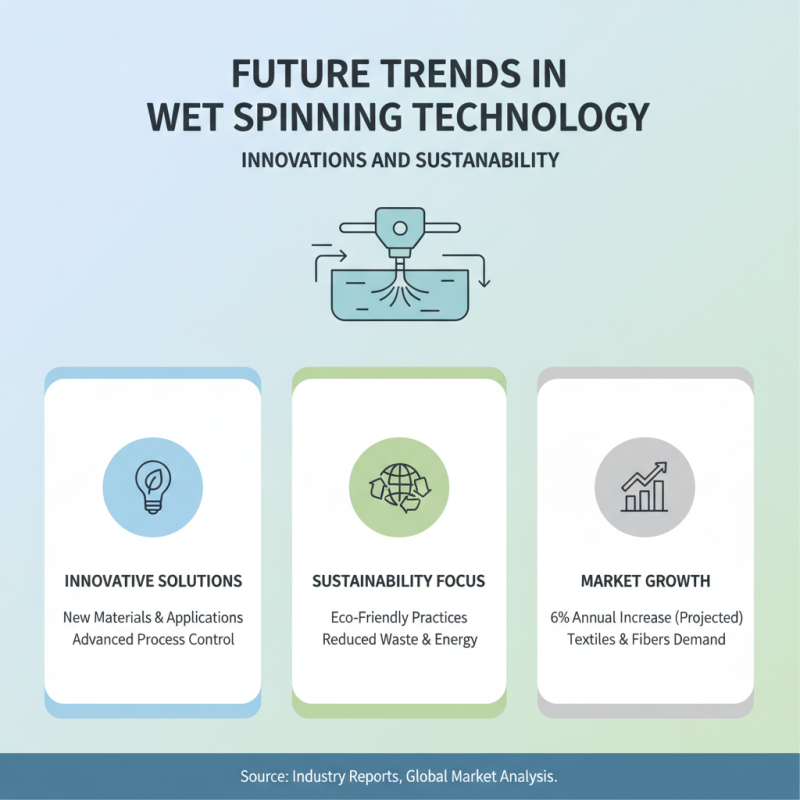
The wet spinning process has evolved significantly, focusing on innovative solutions and sustainability. Recent reports indicate that the global market for wet spinning technology is projected to grow by 6% annually. This growth reflects increased demand in textile and fiber production, driven by the need for eco-friendly practices.
Emerging technologies are at the forefront of wet spinning advancements. One notable trend is the integration of recycling methods. According to the International Textile Recycling Association, up to 30% of textile waste can be repurposed within wet spinning processes. This not only reduces material waste but also promotes circular economy principles, enhancing the industry's sustainability profile.
However, challenges remain. Energy consumption in wet spinning operations is high, and companies must innovate to streamline this. For example, studies suggest that implementing regenerative heating systems could cut energy use by 15%. The focus on reducing environmental footprints is becoming crucial. New standards are being established, demanding greater transparency in production methods. Companies may face tough scrutiny as they navigate these changes.