What Is a Weaving Machine and How Does It Work?
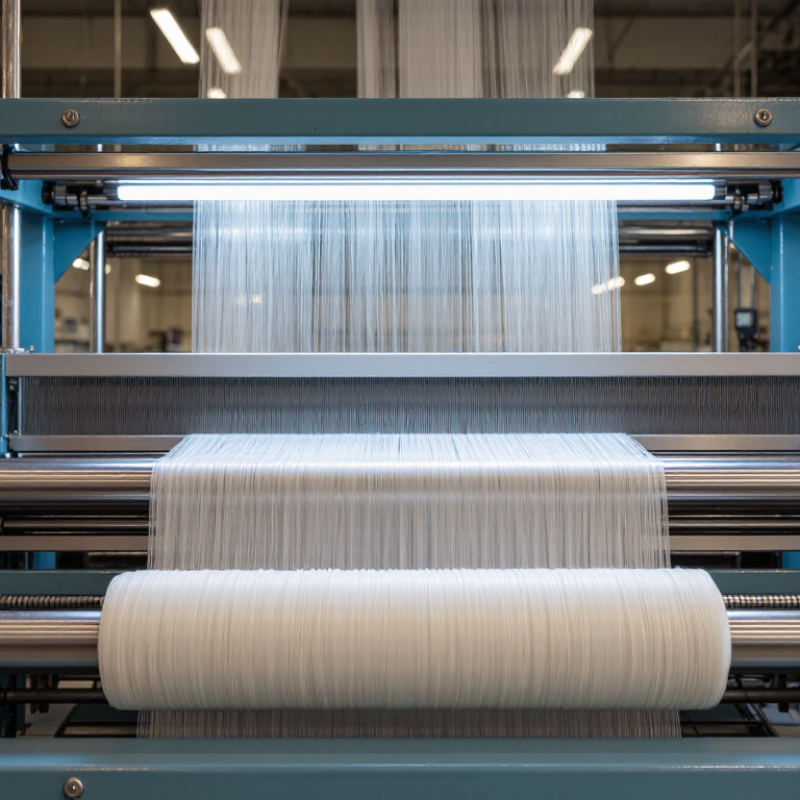
A weaving machine is an engineered system that interlaces two yarn groups into stable fabric. The lengthwise yarns are called the warp, while the crosswise yarn is the weft. During operation, the machine lifts selected warp threads, creating a temporary opening called the shed. A shuttle, rapier, or air jet then carries the weft through that space. The reed pushes each inserted yarn into position, forming a compact fabric edge.
The process appears simple when viewed slowly. In practice, it requires careful timing between several moving parts. The warp beam releases yarn at a controlled tension. Harnesses or heddles raise and lower selected threads. The take-up roller gradually winds the finished cloth. Sensors monitor broken yarns, speed, and tension. An experienced operator still matters, because vibration, humidity, and uneven yarn quality can change the result. Small adjustments often prevent visible lines or weak areas.
This guide explains what a weaving machine does and how its main mechanisms work together. It also compares common machine types, including rapier, air-jet, water-jet, and projectile looms. Technical descriptions can make weaving seem perfectly predictable. It is not. Real production involves noise, dust, maintenance, and occasional defects. Understanding those details creates a more reliable view of textile manufacturing. Readers will see why machine design affects fabric strength, surface texture, production speed, and energy use. Clear knowledge supports better equipment choices and more consistent results.
What Is a Weaving Machine?
A weaving machine is equipment that interlaces yarns to create fabric. It holds lengthwise yarns, called warp yarns, under controlled tension. A second yarn, called the weft, passes across them repeatedly. This crossing pattern gives fabric its structure, strength, and surface appearance.
The machine opens a temporary space between warp yarns. This opening is called the shed. A shuttle, gripper, or air stream carries the weft through it. Then, a reed pushes the new yarn against the finished fabric. The cycle repeats many times each minute. Sensors monitor yarn tension, speed, and thread breaks. Small changes can affect the fabric noticeably.
In practical operation, workers check the warp beam, guides, and yarn path before production. They also listen for unusual sounds. A sharp tap may indicate poor alignment or a broken thread. Clean surroundings matter because lint can disturb sensors and moving parts. No machine runs perfectly. Humidity, yarn quality, and tension may still cause uneven edges or loose areas. Skilled adjustment remains important, even with modern controls.
How Yarns Are Prepared for Weaving
What Is a Weaving Machine and How Does It Work?
How Yarns Are Prepared for Weaving
Before a weaving machine forms fabric, yarns need careful preparation. Warp yarns run lengthwise and face repeated tension, friction, and movement. They are wound onto packages, arranged during warping, and often coated with sizing. Sizing adds a thin protective film. It can reduce hairiness and limit abrasion at the heddles and reed. The process is practical, not decorative. A weak yarn will expose its problems quickly.
Weaving teams check yarn count, twist, moisture, and strength before production. ISO 2060 defines methods for measuring yarn linear density, while ISO 2061 covers twist measurement. These checks help technicians match yarn behavior with machine settings. During sizing, temperature and concentration must stay controlled. Too little size may increase breakage. Too much can make yarns stiff and difficult to separate. That balance is easy to disturb.
The scale of this work is growing. Textile Exchange’s Materials Market Report 2024 estimated global fiber production at 124 million tonnes in 2023. It projects about 160 million tonnes by 2030. More fiber does not automatically mean better weaving. Preparation still depends on clean equipment, stable humidity, and experienced adjustment. A tiny tension error can create a long streak in the cloth. Sometimes, the operator must slow the machine and inspect the yarn by hand. That slower decision may prevent larger waste.
How a Weaving Machine Creates Fabric
A weaving machine turns separate yarns into fabric through a controlled crossing process. Lengthwise yarns, called warp yarns, remain under steady tension. Crosswise yarns, called weft yarns, pass between them. This simple structure creates strength, texture, and pattern.
The machine first lifts selected warp yarns, forming a temporary opening called a shed. A carrier then moves the weft yarn through that opening. The reed pushes the new yarn firmly against the finished fabric. This action is known as beating. The cycle repeats many times each minute, while rollers guide the fabric forward and maintain even tension.
Small adjustments matter. If the warp tension changes, the fabric may show gaps, ridges, or uneven density. Skilled operators monitor yarn movement, machine sounds, and the cloth surface during production. A faint vibration can reveal a loose thread before a visible defect appears. Modern systems can control patterns electronically, but they still depend on accurate setup and careful inspection. The process looks simple, but it is not. Different yarn thicknesses, moisture levels, and weave designs can react unexpectedly. Even experienced technicians sometimes need to slow the machine, examine the cloth, and correct the settings. That practical judgment remains essential.
Common Types and Uses of Weaving Machines
What Is a Weaving Machine and How Does It Work?
A weaving machine interlaces two yarn systems to form fabric. The lengthwise yarns are called the warp, while the crosswise yarns are called the weft. During operation, the machine lifts selected warp threads, creates a temporary opening, and inserts the weft through it. A reed then pushes the new yarn into place. The result is fabric.
Common types include shuttle, rapier, air-jet, and water-jet weaving machines. Shuttle machines use a solid shuttle and can produce durable, traditional fabrics, although they usually operate more slowly. Rapier machines carry the weft with a small gripper, making them suitable for delicate yarns and varied fabric widths. Air-jet machines use compressed air and work efficiently with lightweight materials. Water-jet machines use fine water streams, but they require yarns that tolerate moisture.
Each type serves different production needs. Clothing factories may choose rapier machines for patterned fabrics and frequent design changes. Air-jet models often produce smooth fabrics for shirts, linings, and household textiles. Heavy industrial cloth may require stronger machine frames and careful tension control. Small errors matter. A loose warp thread can create a visible line across the fabric. Even experienced operators adjust speed, tension, and yarn settings during production. No machine performs perfectly with every material. This is where practical testing remains essential.
What Is a Weaving Machine and How Does It Work?
Representative weft-insertion speeds of common weaving machine types
A weaving machine interlaces lengthwise warp yarns with crosswise weft yarns to form fabric.
Shuttleless looms generally operate faster than traditional shuttle looms. Air-jet and water-jet
machines use fluid to insert the weft, while rapier and projectile machines use mechanical insertion.
The values shown are representative operating speeds in picks per minute; actual performance varies
with fabric type, yarn properties, width, and machine settings.