
Why Choose Safety Lockout Padlocks for Industrial Safety?
Why Choose Safety Lockout Padlocks for Industrial Safety?
Industrial maintenance often begins beside a machine that looks quiet but still holds dangerous energy. A conveyor may stop moving while electrical, hydraulic, or pneumatic power remains present. Safety Lockout Padlocks help workers secure energy-isolating devices during maintenance and repair. Their purpose is simple: keep equipment from being restarted before authorized work is complete.
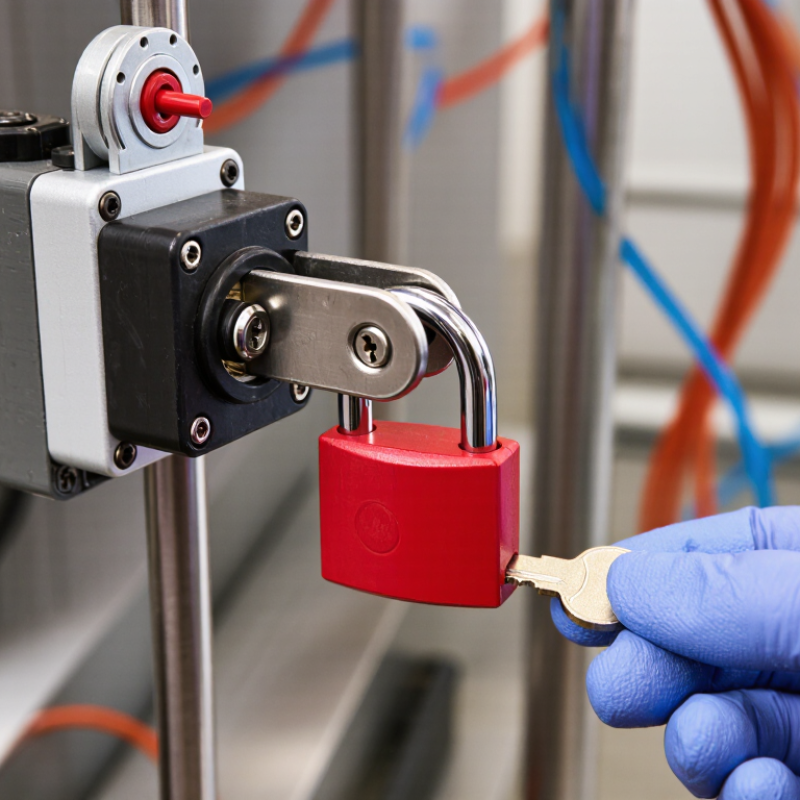
A durable lock, a clearly marked keyway, and an individual key assignment can make a real difference on a busy factory floor. Picture a technician fitting a red padlock to a disconnect switch, then checking the attached identification before stepping away. That visible barrier supports a controlled process. It does not replace training, written procedures, or careful verification. No lock can correct a rushed handoff.
As no verifiable quotation from a named lockout-padlock specialist was provided, this introduction avoids presenting an invented statement as a real expert quote. A useful principle to examine is: “A lockout device is only effective when the worker can trust the process behind it.” Treat that as an editorial framing, not a sourced quotation. The distinction matters.
This outline explores how Safety Lockout Padlocks support personal accountability, help reduce accidental re-energization, and fit into broader energy-control practices. It also considers practical details, including shackle dimensions, key management, environmental durability, and clear identification. There is no perfect device for every site. Selection should reflect the equipment, work conditions, and the people who rely on the procedure every day.
What Safety Lockout Padlocks Are and How They Work
Why Choose Safety Lockout Padlocks for Industrial Safety?
What Safety Lockout Padlocks Are and How They Work
Safety lockout padlocks are dedicated devices used during equipment servicing and maintenance. They secure an energy-isolating device, such as a breaker, valve, or disconnect switch. Their purpose is simple: prevent unexpected operation while a worker is exposed to danger.
A personal padlock normally has one assigned user and one controlled key. After shutting down equipment, the worker applies the lock to a compatible lockout device and adds an identification tag. The tag shows who applied it and why. This creates a visible barrier, not just a verbal warning. A strong shackle, corrosion-resistant body, and clear color can help the lock remain identifiable in dusty or wet areas.
In real workplaces, details matter. Before each use, workers should inspect the shackle, body, and keyway. Damaged locks should not remain in service. Color coding helps, but color alone can mislead when lighting is poor. A name or identification number is more reliable. For group maintenance, a hasp or lockbox allows each authorized worker to apply a personal lock. Equipment should not return to service until every assigned lock is removed through the site’s verified procedure. The padlock is small. The process is not foolproof. A rushed handover, an unclear tag, or a misplaced key can still create risk.
Why Choose Safety Lockout Padlocks for Industrial Safety? - What Safety Lockout Padlocks Are and How They Work
| Dimension | What It Means | How It Supports Safe Work | Selection or Use Consideration |
|---|---|---|---|
| Purpose | A safety lockout padlock is a dedicated lock used as part of a lockout/tagout (LOTO) procedure to help prevent equipment from being operated while work is underway. | It helps keep an energy-isolating device in its safe position and makes the lockout visible to workers. | Use it with the correct energy-isolating device and the site’s documented LOTO procedure; a padlock alone does not make equipment safe. |
| How It Works | An authorized worker applies the lock to a suitable isolation point or lockout device and controls the key while the equipment is being serviced. | The locked device helps prevent the isolator from being moved back to an operating position without removing the lock. | Before work begins, follow the required shutdown, isolation, stored-energy control, and verification steps. |
| Personal Control | In group work, each authorized worker may apply a personal lock to a group lockbox or an approved hasp arrangement, according to the site procedure. | Personal locks help ensure that equipment is not returned to service while a worker’s lock remains in place. | Only the worker who applied a personal lock should remove it, except under a documented, authorized exception procedure. |
| Keying Options | Locks may be keyed differently, so each lock has its own key, or keyed alike, so a designated set can share a key. | Keying plans can support individual control or organized group lockout practices. | Choose a keying system that supports accountability and prevents unauthorized access; do not assume one arrangement suits every site. |
| Key Retention | Many lockout padlocks are designed so the key cannot be removed while the shackle is open. | This feature can help reduce the chance of a worker leaving an unlocked padlock at an isolation point. | Check the product’s operating instructions, since key-retention features vary by model. |
| Materials and Design | Lockout padlocks are available with bodies and shackles made from different materials, including nonconductive options for some applications. | Purpose-designed construction can help the lock suit the isolation point and the surrounding work environment. | Consider electrical hazards, corrosion, temperature, chemicals, and the required shackle dimensions. Confirm suitability with the manufacturer’s specifications. |
| Identification | Locks can be labeled or otherwise identified with worker or department information; color may also be used as a site identification aid. | Clear identification can help workers recognize who applied a lock and support communication during maintenance. | Use colors only according to a consistent site system. Color alone should not replace clear identification or training. |
| Compatibility | A padlock may be used with hasps, valve lockout devices, circuit-breaker lockouts, and other compatible isolation accessories. | Compatible devices help secure different types of energy-isolating equipment in the intended position. | Check that the shackle diameter, clearance, and device design fit the isolation point and cannot be easily defeated. |
| Regulatory Context | In the United States, OSHA’s general industry lockout/tagout standard, 29 CFR 1910.147, addresses control of hazardous energy and requirements for energy-control devices. | The standard calls for devices used in lockout/tagout to be durable, standardized, substantial, and identifiable, among other requirements. | Applicable rules differ by jurisdiction and industry. Employers should consult current regulations and their written energy-control procedures. |
| Inspection and Removal | Locks and accessories should be checked for damage, wear, legibility, and correct operation, and removed according to the established procedure. | Routine checks help identify equipment that may no longer provide reliable lockout control. | Do not use damaged or unsuitable equipment. Verify the work area is clear and follow the required steps before restoring energy. |
Important: A safety lockout padlock is one element of a complete hazardous-energy-control program. Proper training, correct isolation, control of stored energy, and verification are also essential.