2026 Best Wet Spinning Machine for Global Buyers?
In the rapidly evolving textile industry, the demand for advanced wet spinning machines is on the rise. Experts like Dr. Emily Chen, a leading authority in textile engineering, emphasizes, "The future of sustainable fabrics hinges on innovative wet spinning technology." This statement highlights the critical role of wet spinning machines in producing high-quality fibers while minimizing environmental impact.
As manufacturers seek competitive advantages, the global market for wet spinning machines is becoming increasingly diverse. Buyers must consider factors such as efficiency, durability, and technological integration. The optimal wet spinning machine can drastically enhance production efficiency while ensuring consistency in fiber quality.
However, not all machines meet the growing standards of sustainability and performance. It is crucial for buyers to conduct thorough research and analysis. Investing in the right wet spinning machine can be a game changer, but the challenges of choice and adaptation cannot be overlooked. An informed decision will reflect both the expertise of the buyer and the capacity of the chosen technology.
Overview of Wet Spinning Technology in Textile Industry
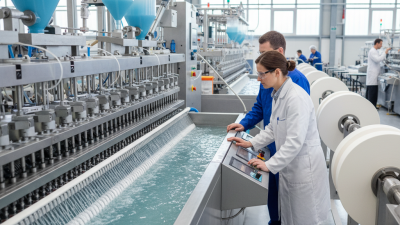
Wet spinning technology plays a significant role in the textile industry. This method involves dissolving polymers in a solvent to create a viscous solution. The solution is then extruded through a spinneret into a coagulation bath, solidifying fibers. This process is essential for producing various synthetic fibers like nylon and rayon.
The technology has evolved over the years. Today, wet spinning offers improved efficiency and environmental sustainability. New solvents are being explored to minimize ecological impact. However, challenges remain in managing waste and energy consumption. Industry professionals must continually assess these issues to align with sustainable practices.
Yet, not every aspect of wet spinning is flawless. For instance, the quality of fibers produced can sometimes vary. Factors include polymer properties and bath composition. Regular monitoring is crucial to ensure consistency. Despite advancements, ongoing research is necessary to refine processes and balance productivity with environmental responsibilities.
2026 Best Wet Spinning Machines: Global Market Overview
This chart illustrates the projected market share of various wet spinning technologies in the textile industry for 2026. The data reflects the increasing adoption of eco-friendly and efficient technologies.
Key Features to Look for in Wet Spinning Machines
When selecting a wet spinning machine, buyers should consider crucial features that enhance efficiency and output. First, assess the machine's fiber handling capabilities. Advanced models are equipped to handle various fiber types. This versatility allows manufacturers to meet diverse production needs.
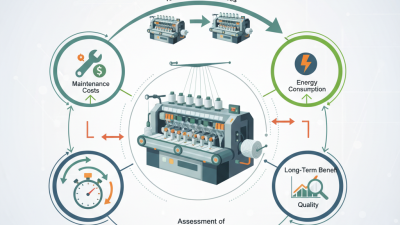
Energy consumption is another vital factor. Reports indicate that energy-efficient machines can reduce operational costs by up to 30%. A wet spinning machine with lower energy requirements not only cuts expenses but also supports sustainable practices. Manufacturers are increasingly focusing on reducing their carbon footprint.
Moreover, reliability in performance is essential. A machine that operates smoothly minimizes downtime. Some machines feature automated processes that help maintain consistent quality. However, it is critical to note that not all machines perform as claimed. Buyers must research user experiences and industry reviews to avoid dissatisfaction. Balancing innovation with practical insights will lead to smarter purchases.
Top Manufacturers of Wet Spinning Machines for 2026
As global demand for high-quality fibers continues to rise,
choosing the right wets spinning machine becomes crucial. In 2026, manufacturers are focusing on
innovation to meet these needs. Recent industry reports indicate a growth potential of over
5% annually in the wet spinning market. This growth reflects
increased usage across textiles and technical applications.
Leading players in this field are investing in advanced technology. Data shows that machines now
feature smart control systems, enhancing precision and efficiency. However, while these advancements offer many
benefits, they also present challenges. Companies must adapt to rapid changes and the evolving expectations of their
customers. Balancing innovation with operational stability is essential.
Tip: When selecting a wet spinning machine, consider its
adaptability to various raw materials. Also, evaluate the manufacturer's support services. Efficient communication
channels can significantly impact machine performance and longevity.
Investing in the right machine is vital, yet risks remain in an evolving market. It’s essential to analyze long-term
performance and potential return on investment before making a decision. Keeping an eye on industry trends can provide valuable insights for
future purchases.
Factors Influencing Purchasing Decisions for Global Buyers
When choosing a wet spinning machine, global buyers must consider various factors that influence their decisions. One key factor is the machine's efficiency. Efficient machines enhance production rates and reduce energy costs. Buyers should look for designs that maximize output while minimizing waste.
Another important consideration is the machine's adaptability. As market demands shift, buyers need machines that can handle various materials and fibers. Flexibility in operations leads to better responsiveness to changing needs. Inspect the specifications to ensure compatibility with a range of raw materials.
Tips: Always assess the after-sales support offered. Reliable support can save buyers from costly downtimes and operational issues. Evaluate customer reviews to gauge real-world performance.
Lastly, consider the long-term costs of ownership. Cheap machines may seem attractive at first, but maintenance costs can add up quickly. Conduct a thorough analysis to understand the total cost. Doing so may prevent potential financial strain down the line.
Market Trends and Innovations in Wet Spinning Equipment
The wet spinning process continues to evolve, driven by technological advancements and changing market demands. Innovations such as improved fiber technology significantly enhance yarn quality and production efficiency. Newer machines utilize automation for precise control of the spinning process. This results in consistent and reliable output.
Environmental sustainability is a pressing concern in textiles. Recent trends show a shift towards using recycled materials and reducing water consumption. Modern wet spinning machines incorporate these eco-friendly practices. Manufacturers are exploring biodegradable agents that minimize environmental impact while ensuring high-performance fibers.
While adopting these innovations presents unique challenges, they also offer opportunities for improvement. Organizations must invest in training staff to operate advanced machinery effectively. There is also a need for ongoing research to optimize production methods. The journey toward integrating these cutting-edge technologies is complex, but it holds immense potential for future growth.