How to Choose a Textile Printing Machine in 2026?
Choosing a textile printing machine in 2026 is not just a matter of comparing speed claims. The right system must suit your fabrics, order sizes, artwork, and finishing workflow. A machine that prints cotton beautifully may need different settings for polyester or blends. Ink compatibility matters. So do curing requirements, print width, maintenance access, and the cost of consumables.
For a practical benchmark, textile scientist Dr. Gajanan Bhat represents the technical expertise behind modern textile engineering. No verified quotation from him on machine selection was provided, so the line below is an editorial principle, not a quote attributed to him: “Test the fabric, not just the brochure.” That distinction matters. Ask suppliers to print your own material, then inspect fine lines, color consistency, hand feel, and wash performance. Keep the sample. Compare it under the same lighting.
Small details matter. A compact shop may value easy setup and low downtime more than headline speed. A high-volume producer may prioritize throughput, automated handling, and dependable service support. Neither choice is universally best. Even experienced buyers can overlook workflow costs or underestimate operator training; those are worth revisiting before purchase.
This guide explains how to match a textile printing machine to real production needs, compare key technologies, and assess specifications without relying on marketing language alone. Expect practical trade-offs, not a magic answer. The best machine is the one that performs reliably on your fabric, at your required quality, and within your operating budget.
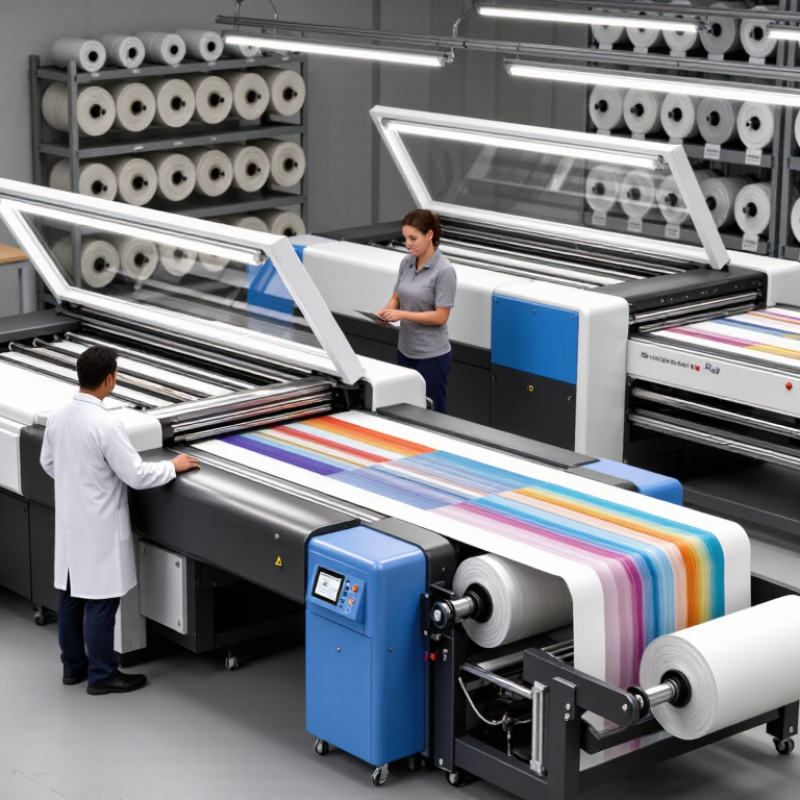
Define Production Needs, Fabrics, Print Runs, and Design Requirements
Choosing a textile printing machine in 2026 starts with a clear production profile. Record the number of pieces per shift, typical order size, and required delivery time. A small studio handling custom shirts has different needs from a workshop producing long fabric rolls. Estimate peak demand, not just an average week. Leave room for setup and cleaning.
Fabric compatibility matters. Cotton, polyester, blends, and stretchy knits can respond differently to inks, heat, and pretreatment. Test the actual fabrics you plan to use, including dark colors and textured surfaces. Check whether the machine supports your fabric width and thickness. Ask how drying or curing fits into the workflow. A sample print may look good, yet wash testing can reveal weak color or poor adhesion.
Print runs affect the practical choice. Short runs with frequent artwork changes may benefit from quick setup and simple file handling. Repeated large orders place more weight on steady output and predictable maintenance. Consider design details too: tiny text, smooth gradients, repeat patterns, and precise color matching can demand different capabilities. Bring a real design file and fabric swatches to a demonstration. A tidy spreadsheet can still miss operator skill, floor space, or downtime. I would treat estimates as estimates; actual results can be less neat.
Evaluate Print Quality, Speed, Compatibility, and Operating Requirements
A textile printing machine should be judged on finished fabric, not a showroom image.
Print the same artwork on your actual material, then inspect fine lines, gradients, and small text. Check color under consistent lighting. A wash test matters too: bright output can fade or crack after laundering. Keep a sample for comparison.
A perfect sample can still mislead.
Speed needs context.
Ask how many saleable meters the machine produces during a normal shift, including setup and cleaning. A fast pass is less useful if frequent stops interrupt work. Confirm that the machine supports your fabric width, thickness, and required print method. Check file formats, color-management tools, and workflow compatibility before purchase. Small mismatches can create costly delays. Review operating needs in detail: floor space, power, ventilation, pretreatment, and routine maintenance. Ask who can handle nozzle checks and basic troubleshooting. Also compare consumable use and service access, not just the purchase price.
I would be cautious about choosing the highest speed on paper; the real bottleneck may be drying, finishing, or operator time.
Allow room for a learning curve. Operators need practical training, and early output may be uneven.
Calculate Total Ownership Costs, Including Ink, Labor, and Maintenance
How to Choose a Textile Printing Machine in 2026?
A low purchase price can hide a high cost per printed metre. Estimate total ownership costs over several years, not just the amount on the invoice. Include ink, operator time, routine maintenance, replacement parts, training, and expected downtime. Ask suppliers for ink consumption figures using files and fabrics similar to your own. Then run a sample job and record actual use. Small waste matters.
For a simple estimate, imagine printing 10,000 square metres each year. At an ink cost of $0.12 per square metre, annual ink spending is $1,200. Add labor hours multiplied by your loaded hourly wage, plus service visits, cleaning supplies, and parts. Divide the machine’s purchase price by its expected years of use, and include that annual share too. Keep assumptions visible; they are rarely perfect. A blocked nozzle or extra cleaning cycle can change the result. Compare machines using the same workload, print quality, and operating schedule. Also check whether maintenance can happen during quieter shifts, since lost production may cost more than a spare part. Ask for written service intervals and estimate how long common repairs take. A spreadsheet helps, but verify the figures against real jobs.
Assess Suppliers, Support, Compliance, and Machine Testing Before Purchase
A textile printing machine can look impressive under showroom lighting. The supplier matters just as much as the equipment. Ask for references from businesses printing similar fabrics, and check whether their production volumes resemble yours. Request a written list of included items, such as installation, operator training, and software updates. Details can be easy to overlook.
Support should be specific, not just a promise to help. Ask how quickly technical staff usually respond, which spare parts are stocked locally, and what happens if a fault stops production. Confirm the machine’s safety and environmental documentation for the markets where you plan to operate. Requirements vary, so have a qualified compliance professional review the documents before purchase. Paperwork alone is not proof of performance.
Test the machine with your own fabric, ink, and artwork whenever possible. Print a detailed pattern, then inspect fine lines, color consistency, fabric edges, and drying. Record the time needed for setup and cleaning, too. A short demo may not reflect a full production shift. It may feel awkward to request a longer test, but assumptions can cost more later. Compare results against your actual job requirements, not just the supplier’s sample.